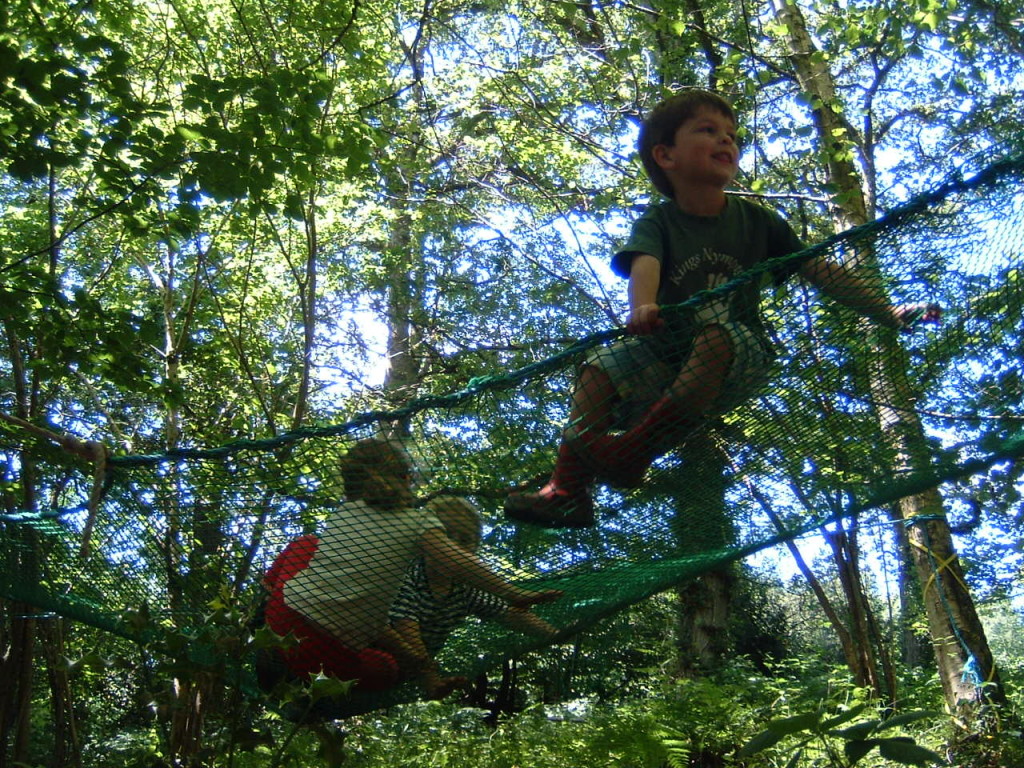
Forest schools have gained popularity in recent years as an alternative educational approach that focuses on outdoor learning and nature immersion. These schools offer a unique learning environment that can benefit children with special needs. The natural setting of forest schools provides a sensory-rich experience, which can support the development of sensory integration skills for children with sensory processing disorders or autism spectrum disorder.
Outdoor risk management is an integral part of forest school programs. Children are encouraged to take calculated risks, allowing them to develop their confidence, problem-solving abilities, and resilience. This approach helps them understand their own capabilities and limitations while fostering a sense of independence.
Forest schools are not limited to rural areas; they can also thrive in urban environments. Urban forest schools provide opportunities for children who may not have easy access to natural spaces to connect with nature and engage in outdoor play and exploration. By transforming urban green spaces into learning environments, these schools promote environmental awareness and encourage sustainable practices within cities.
Cultural diversity is another aspect that forest schools embrace. By providing inclusive education in a natural setting, forest schools create an environment where all cultures can be celebrated and respected. Children from diverse backgrounds can learn about different cultural perspectives on nature and develop empathy towards others.
While technology integration may seem contradictory to the concept of forest schooling, it can actually enhance the learning experience when used appropriately. Forest schools can incorporate technology as a tool for documentation or research during outdoor activities or as a means to connect with other communities worldwide through virtual exchanges.
Early childhood development is greatly supported by the holistic approach of forest schools. Outdoor play fosters physical development such as gross motor skills while also promoting cognitive growth through hands-on exploration. Social-emotional skills are nurtured through collaboration, communication, and problem-solving among peers.
The mental health benefits of forest school programs cannot be overlooked either. Spending time in nature has been shown to reduce stress levels, improve mood, increase attention span, and enhance overall well-being for both children and adults. Forest schools provide a supportive environment for children to develop resilience and coping strategies, leading to improved mental health outcomes.
Forest schools also play a vital role in nature conservation education. By immersing children in natural environments, they become more connected to nature and develop a sense of responsibility towards the environment. This fosters an understanding of sustainable practices and promotes environmental stewardship from an early age.
Alternative assessment methods are often employed in forest school programs. Traditional tests may not accurately capture the learning that occurs in outdoor settings. Instead, observation-based assessments, portfolios, and reflective journals are used to document children’s progress and growth in various areas such as problem-solving, creativity, communication skills, and environmental knowledge.
Community engagement is another key aspect of forest schools. These programs actively involve parents/guardians and local communities through volunteer opportunities or collaborative projects. This strengthens the bond between families, educators, and communities while fostering a sense of ownership over the learning environment.
Inclusive education practices are at the core of forest schools. Children with special needs or disabilities are fully included in these programs with support tailored to their individual requirements. The emphasis on inclusivity creates an environment where all children feel valued and respected.
Indigenous knowledge systems can be integrated into forest school curricula as a way to honor traditional ecological knowledge passed down through generations. By incorporating indigenous perspectives on land stewardship, sustainability, herbal medicine, storytelling traditions, etc., forest schools encourage cultural exchange and promote intergenerational learning.
Sustainable living skills are essential for building environmentally conscious citizens who understand the importance of sustainable lifestyles. Forest schools teach practical skills like gardening techniques or renewable energy concepts that equip children with tools for sustainable living while instilling values of conservation.
Climate zones greatly influence how forest school activities are structured due to variations in weather conditions throughout different regions worldwide. Programs operating in colder climates may focus on winter survival skills or animal tracking during snowy months while those situated in warmer climates may emphasize water conservation or wildlife observation.
Designing a forest school curriculum presents unique challenges. It requires careful consideration of the learning outcomes, age appropriateness, and alignment with educational standards. Balancing structured activities with child-led exploration is crucial to ensure a well-rounded learning experience that meets both the academic and developmental needs of children.
The impact of forest school programs on academic performance has gained attention in recent years. Studies have shown that outdoor learning experiences enhance cognitive abilities, problem-solving skills, creativity, and critical thinking. By connecting classroom concepts to real-world applications through hands-on experiences in nature, children develop a deeper understanding of the subject matter.
Forest school teachers act as facilitators rather than instructors in this alternative educational approach. They create opportunities for experiential learning by encouraging curiosity, guiding discovery, and offering support when needed. This teaching style fosters independence, self-motivation, and a love for lifelong learning.
Participation in forest schools can influence career choices later in life by nurturing an appreciation for nature-related fields such as ecology, environmental science, forestry, or outdoor education. The early exposure to these professions can inspire children to pursue careers that focus on environmental conservation or sustainability.
The relationship between forest school participation and physical fitness levels is significant. Regular engagement in outdoor activities promotes physical health by encouraging movement and active play. Children who attend forest schools often exhibit higher levels of physical fitness due to increased time spent outdoors engaging in physically demanding tasks like climbing trees or hiking.
In conclusion, forest schools offer numerous benefits across various domains including special needs education, risk management skills development, cultural diversity appreciation
 Alternative Amie
Leave a comment