Building Relationships with Students of Different Ages in a Multiage Classroom
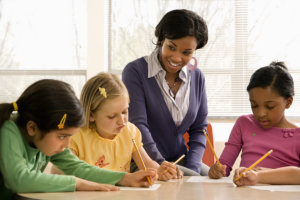
In traditional classrooms, students are typically grouped according to their grade level. However, in a multiage classroom, students from different age groups learn and interact together. This unique educational setting provides numerous benefits for both academic and social development. One key aspect of creating a successful multiage classroom is the ability to build strong relationships with students of different ages. In this article, we will explore effective strategies for developing meaningful connections with students in a multiage classroom.
1. Get to Know Each Student: Take the time to understand each student’s interests, strengths, and challenges regardless of their age. Engaging in one-on-one conversations or informal activities can help you gain insight into their individual needs and preferences.
2. Foster Collaboration: Encourage collaboration among students by assigning group projects or tasks that require cooperation between different age groups. By doing so, you will provide opportunities for older children to mentor younger ones while allowing younger children to learn from their peers.
3. Use Cooperative Learning Strategies: Implement cooperative learning strategies that promote teamwork and shared responsibilities within the classroom environment. For instance, pair older students with younger ones during activities such as reading buddies or math partners.
4. Establish a Supportive Environment: Create an inclusive and nurturing classroom environment where all students feel valued and respected regardless of their age. Emphasize the importance of empathy and understanding among classmates.
5. Model Positive Behavior: As an educator, your role is not only to teach but also to serve as a positive role model for your students across various age groups. Demonstrate kindness, patience, and respect towards each individual student consistently.
6. Individualize Instruction: Recognize that each student may be at different levels academically within a multiage classroom setting; therefore, it is essential to differentiate instruction based on individual needs rather than solely relying on chronological age.
7. Encourage Peer Mentoring Programs: Implement peer mentoring programs in which older students can serve as mentors or tutors for younger students. This not only benefits the mentees but also allows the mentors to develop leadership skills and a sense of responsibility.
8. Celebrate Differences: Encourage students to embrace diversity and celebrate differences in age, culture, background, and abilities. Teach them that everyone has unique qualities to offer, creating an environment where acceptance and appreciation thrive.
9. Utilize Flexible Grouping: Incorporate flexible grouping strategies that allow students to work with different peers regularly. This approach promotes social interaction among students of various ages while fostering a sense of community within the classroom.
In conclusion, building relationships with students of different ages in a multiage classroom requires intentional efforts from educators. By getting to know each student individually, fostering collaboration, modeling positive behavior, and creating inclusive environments, teachers can help facilitate meaningful connections between students across age groups. These relationships not only enhance academic growth but also contribute significantly to social-emotional development within a multiage educational setting.
 Alternative Amie
Leave a comment