Ancient Civilizations: A Glimpse into the Past for a Brighter Future
In today’s fast-paced world, where technology and innovation dominate our lives, it is easy to forget about the rich history that has shaped our present. Ancient civilizations hold a treasure trove of knowledge and wisdom that can inspire and motivate young minds. By exploring their stories, achievements, and cultural legacies, we can provide alternative schooling experiences that foster critical thinking, creativity, and a deeper understanding of our own place in history.
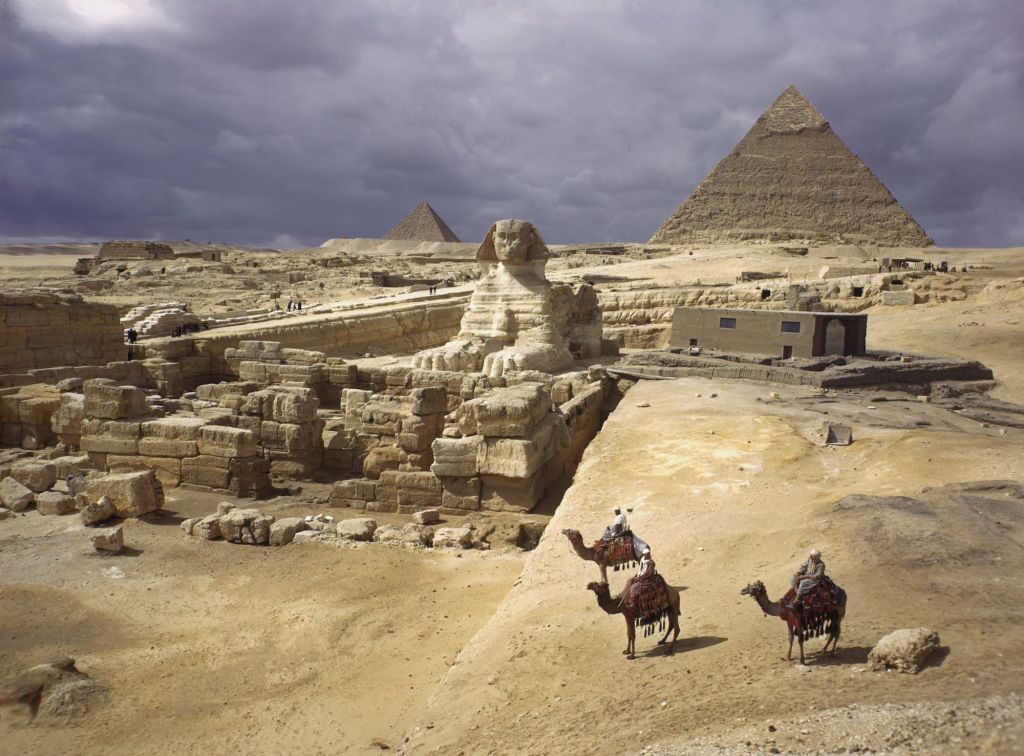
One of the most fascinating aspects of ancient civilizations is their ability to thrive in harsh environments with limited resources. Take the ancient Egyptians as an example. Living along the Nile River, they developed sophisticated irrigation systems to make use of this life-sustaining water source for farming. Their architectural marvels such as the Great Pyramids of Giza still stand tall today, showcasing their advanced engineering skills.
Studying ancient civilizations teaches us valuable lessons about adaptation and resilience. It encourages students to think creatively about problem-solving in resource-limited scenarios. This type of thinking is not only applicable to historical contexts but also relevant in addressing contemporary issues such as climate change or poverty alleviation.
Moreover, many ancient civilizations had a deep appreciation for art and culture. The Greeks are renowned for their contributions to philosophy, mathematics, theater, sculpture, and literature. Their belief in cultivating both mind and body through physical exercises led to the establishment of the Olympic Games—a tradition that continues today.
By studying these cultures’ artistic expressions and intellectual pursuits through alternative education approaches like hands-on activities or role-playing exercises—students can develop their own creative abilities while gaining insights into how different societies valued self-expression.
Ancient civilizations were also deeply rooted in spirituality and religion which provided them with moral guidelines governing behavior within society. For instance, Mesopotamians believed in gods who controlled various aspects of life; therefore individuals had specific roles within their communities. This belief system fostered a sense of unity and collective responsibility.
Introducing students to the religious beliefs of ancient civilizations allows them to explore diverse perspectives on morality, ethics, and spirituality. It encourages critical thinking about the values that underpin different societies and prompts reflection on our own moral compasses.
Additionally, ancient civilizations had complex political systems that provide opportunities for understanding governance structures. The Roman Republic is an excellent example where citizens actively participated in decision-making through democratic processes. By examining the successes and failures of these systems, students can grasp the importance of active citizenship and gain insights into how modern democracies function.
Ancient civilizations also remind us that human ingenuity knows no bounds when it comes to technological advancements. The Mayans were skilled astronomers who developed a sophisticated calendar system based on their observations of celestial bodies. Their knowledge allowed them to predict astronomical events with remarkable accuracy—a feat even by today’s standards.
By delving into the technological achievements of ancient civilizations, students can develop an appreciation for scientific inquiry and innovation. They can learn about the scientific method employed by these cultures as they sought to understand natural phenomena, laying the foundation for future discoveries.
In conclusion, incorporating lessons from ancient civilizations into alternative schooling approaches provides a holistic education experience for young minds. These societies’ ability to adapt, appreciate art and culture, value spirituality, govern effectively, and innovate technologically offers invaluable insights into how we can shape our own future.
By engaging with this rich history through interactive activities or project-based learning experiences tailored specifically toward each civilization—students will not only gain knowledge but also cultivate essential skills such as critical thinking, creativity, empathy, cultural awareness—the very qualities needed for building a brighter future.
So let us embark on this journey together—exploring ancient civilizations—to unlock hidden treasures from our past while empowering ourselves with wisdom for tomorrow!
 Alternative Amie
Leave a comment