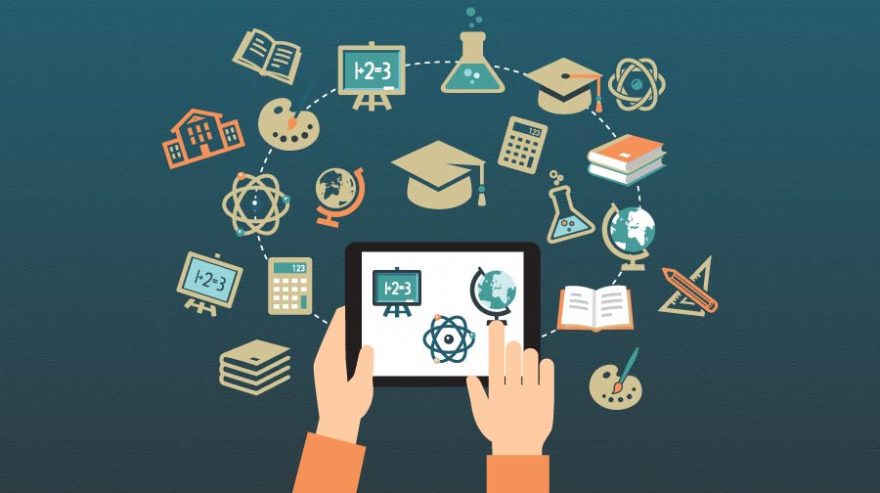
Adaptive learning technology is a powerful tool in personalized education that tailors instruction to meet the unique needs of each student. It uses data and algorithms to continually analyze and adjust the content, pace, and approach of learning materials based on individual performance and progress. This allows students to work at their own level and receive targeted support where they need it most.
Competency-based education focuses on mastery of specific skills or knowledge areas rather than time spent in a classroom. Students advance through learning objectives once they demonstrate proficiency, allowing for flexibility in pacing. This approach ensures that students have a deep understanding of important concepts before moving on to more advanced topics.
Individualized lesson plans take into account each student’s strengths, weaknesses, interests, and learning styles. Teachers create customized instructional strategies that address these factors, ensuring that students are engaged and motivated to learn. By accommodating different needs, individualized lesson plans promote effective teaching practices tailored to the unique abilities of each learner.
Project-based learning engages students in hands-on activities that require them to solve real-world problems or complete meaningful projects. This approach fosters critical thinking skills, collaboration, creativity, and problem-solving abilities while allowing students to explore their interests and apply their knowledge in practical ways.
Gamification in education incorporates game elements such as point systems, levels, badges, and leaderboards into academic tasks. By making learning more enjoyable and interactive, gamification increases motivation and engagement among students. It also provides immediate feedback on progress which helps learners track their growth.
Differentiated instruction recognizes that learners have diverse needs by providing multiple pathways for acquiring knowledge or demonstrating understanding. Teachers offer various resources or activities based on individual readiness levels or interests so that all students can access appropriate content aligned with their abilities.
Personal Learning Networks (PLNs) connect educators with peers from around the world who share similar professional interests or expertise through online platforms like social media groups or forums. PLNs provide opportunities for collaboration, idea sharing,and professional development, allowing teachers to access a wealth of knowledge and resources to enhance their instructional practices.
Self-paced learning allows students to progress through content at a speed that is comfortable for them. This approach accommodates diverse learning styles and ensures that students have sufficient time to master concepts before moving on. Self-paced learning also encourages autonomy and responsibility in managing one’s own education.
Blended learning models combine traditional face-to-face instruction with online or digital components. This hybrid approach offers flexibility in terms of time, location, and pace of learning while maintaining the benefits of direct teacher guidance and peer interaction.
Data-driven instruction involves collecting and analyzing data on student performance to inform instructional decisions. By identifying areas where students are struggling or excelling, teachers can tailor interventions or enrichment activities accordingly. Data-driven instruction helps educators monitor progress, identify trends,and make informed adjustments to improve student outcomes.
Student choice and voice in curriculum design empower learners by involving them in decision-making processes related to their education. Allowing students to choose topics or projects they are passionate about fosters ownership of learning, increases engagement,and promotes critical thinking skills.
Mastery-based grading and assessment focus on measuring proficiency rather than simply completion of assignments or tests. Students must demonstrate mastery of specific skills or knowledge areas before progressing further. Mastery-based grading emphasizes understanding over grades as a measure of achievement.
Learning analytics and progress tracking use technology tools to collect data on student performance, behaviors, preferences,and other factors influencing the learning process. This information enables educators to gain insights into individual needs,to personalize instruction effectively,and make data-informed decisions regarding interventions or modifications if necessary.
Peer-to-peer collaboration in personalized learning environments encourages students to work together towards common goals while promoting communication skills,critical thinking abilities,and social-emotional growth.Students learn from each other’s perspectives,gain new insights,and develop important teamwork skills needed for success beyond the classroom.
Personalized goal setting and reflection allow learners to set specific objectives aligned with their interests and aspirations. Regular reflection on progress helps students take ownership of their learning, make adjustments based on feedback,and develop self-awareness and metacognitive skills.
Flexible scheduling and time management provide students the freedom to structure their learning around personal commitments or preferences. This flexibility enables students to optimize their productivity, balance extracurricular activities,and pursue individual passions while still meeting academic requirements.
Customizable learning pathways offer students a range of options for accessing content, resources, or activities based on individual needs, interests,and goals. By tailoring the learning experience to suit personal preferences, learners are more engaged and motivated in achieving mastery.
Personalized feedback and coaching provide targeted guidance to each student based on specific strengths and areas for improvement. Teachers offer constructive criticism or praise that is tailored to individual needs,enabling learners to track progress,set goals,and make necessary adjustments along their educational journey.
Culturally responsive teaching in personalized learning settings acknowledges and values diverse cultural backgrounds,perspectives,and experiences within the classroom. It ensures that instructional materials,resources,and strategies reflect the diversity of learners,resulting in increased inclusivity,equity,and engagement among all students.
Social-emotional learning integration prioritizes the development of social-emotional competencies alongside academic skills. Personalized education environments focus on fostering emotional intelligence,self-regulation,resilience,and empathy so that students are equipped with essential life skills needed for success both inside and outside the classroom.
Universal design for personalized instruction aims at creating inclusive learning environments where all students can access high-quality education regardless of their abilities or disabilities. Instructional materials,strategies,and assessments are designed from the outset with consideration for diverse learner needs,resulting in more equitable opportunities for every student’s success.
Personalized professional development for educators recognizes that teachers also have unique needs when it comes to ongoing growth and skill building.Tailored professional development programs allow educators to pursue topics aligned with their interests,career goals or specific areas requiring improvement,resulting in increased motivation and job satisfaction.
Personalized college and career readiness support helps students explore their interests,skills,and passions while preparing for post-secondary education or future careers. It involves guidance,counseling,and resources that assist learners in making informed decisions about their educational and professional pathways.
Assistive technology for individual student needs provides tools or devices that support students with disabilities or unique learning challenges. These technologies help remove barriers to learning,enabling all students to access content,participate actively,and demonstrate their understanding.
Parent involvement in personalized education recognizes the importance of engaging parents as partners in a student’s educational journey.Parents are provided with information,resources,and opportunities to contribute to the design of personalized learning plans,set goals,monitor progress,and provide valuable insights into their child’s strengths and areas requiring additional support.
Micro-credentials and digital badges offer alternative ways of recognizing skills or achievements beyond traditional grades or degrees. They allow individuals to earn credentials specific to certain competencies,such as proficiency in coding or project management.These micro-credentials can be shared electronically on resumes,portfolios,or social media platforms for potential employers’ reference.
Virtual reality (VR) and augmented reality (AR) technologies enhance personalized learning experiences by providing immersive simulations,virtual field trips,laboratory experiments,multi-sensory explorations,and interactive 3D models.These technologies engage students’ senses,promote active learning,spark creativity,and allow for experiential hands-on experiences that may not be possible otherwise.
 Alternative Amie
Leave a comment