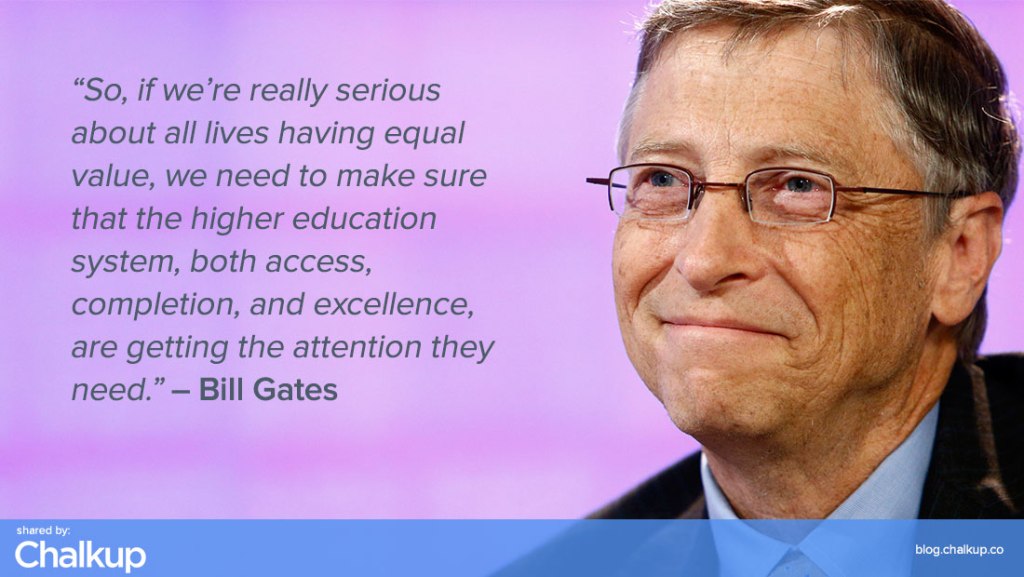
Panel Discussion: Exploring the Vision and Impact of Bill Gates in Alternative Schooling and Education
Introduction:
Welcome to this panel discussion where we delve into the visionary contributions of Bill Gates to alternative schooling and education. As a co-founder of Microsoft, a successful entrepreneur, philanthropist, and advocate for educational reform, Gates has played an influential role in shaping the landscape of education. Today, we are joined by esteemed experts who will shed light on his initiatives, impact, controversies, and future prospects.
Panelists:
1. Dr. Sarah Thompson – Professor of Education at a prestigious university.
2. Mr. James Anderson – Director of Programs at an international education organization.
3. Ms. Maya Patel – Co-founder of an innovative alternative schooling network.
Opening Statement:
Dr. Sarah Thompson: “Bill Gates’ commitment to improving educational outcomes is commendable but not without controversy or skeptics.”
Mr. James Anderson: “Gates’ ventures have significantly contributed to bridging gaps in access to quality education globally.”
Ms. Maya Patel: “His focus on personalized learning has sparked innovation and empowered students through alternative approaches.”
Segment 1: Initiatives spearheaded by Bill Gates
The panel discusses some key initiatives led by Bill Gates that have influenced alternative schooling practices.
Dr. Sarah Thompson highlights the formation of the Bill & Melinda Gates Foundation’s Education Program which aimed to improve high school graduation rates across America with its focus on small schools as well as college readiness efforts like Common Core State Standards adoption.
Mr. James Anderson elaborates on how The Learning Accelerator (TLA) seeks to promote blended learning models that combine online instruction with classroom teaching methods—a concept supported by innovative technologies developed through funding from the foundation.
Segment 2: Impact on K-12 Education
The conversation shifts towards discussing the impact these initiatives have had on K-12 education.
Dr. Sarah Thompson raises concerns about unintended consequences such as overly standardized curricula and high-stakes testing that may hinder creativity, critical thinking, and holistic educational experiences.
Ms. Maya Patel counters by emphasizing the positive aspects of Gates’ initiatives. She highlights the immense benefits derived from personalized learning approaches that cater to individual student needs, leveraging technology for adaptive instruction and fostering independent thinking skills.
Segment 3: Criticism and Controversy
The panel addresses some of the criticisms aimed at Bill Gates regarding his education-related endeavors.
Dr. Sarah Thompson voices concerns over a lack of educator input in decision-making processes, which she believes undermines the professional expertise required for effective teaching practices.
Mr. James Anderson acknowledges these concerns but argues that Gates has adapted his approach over time to involve more educators in shaping policies and programs.
Segment 4: Future Prospects
The discussion concludes with an exploration into future prospects for alternative schooling inspired by Bill Gates’ influence on education reform.
Ms. Maya Patel expresses optimism about the continued growth of innovative educational models that prioritize student-centered learning while incorporating best practices from traditional systems.
Dr. Sarah Thompson emphasizes the need for ongoing research, evaluation, and collaboration between policymakers, educators, and philanthropists to ensure sustainable solutions across diverse communities.
Closing Remarks:
Dr. Sarah Thompson: “Bill Gates’ legacy will continue to shape education globally; however, it is crucial we remain vigilant in addressing potential drawbacks.”
Mr. James Anderson: “Gates’ contributions have paved the way for transformative change—now it’s up to us to leverage them wisely.”
Ms. Maya Patel: “We must build upon these foundations as we strive for inclusive alternative schooling options that empower each learner.”
Conclusion:
This panel discussion provided valuable insights into Bill Gates’ impact on alternative schooling and education reforms worldwide. While acknowledging successes like personalized learning initiatives through blended models, it also shed light on valid concerns surrounding standardization and limited educator involvement in policy decisions. As we move forward with implementing alternative approaches inspired by Gates’ vision, it is imperative to strike a balance between innovation and preserving the essence of holistic education for all students.
 Alternative Amie
Leave a comment