Memory Formation: Unlocking the Secrets to Enhance Your Learning Experience
Have you ever wondered how memories are formed and stored in your brain? Understanding the process of memory formation can not only help you improve your learning experience but also enhance your overall cognitive abilities. In this article, we will explore the fascinating world of memory formation and provide practical tips on how to optimize your memory retention.
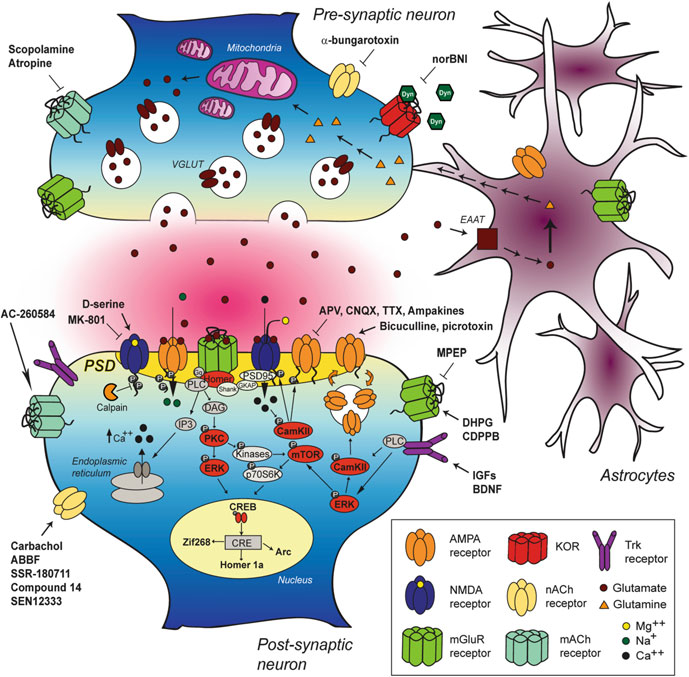
To begin, let’s delve into the science behind memory formation. Our brains consist of billions of neurons that communicate with each other through electrical impulses. When we learn something new, these neurons form connections called synapses. These synapses strengthen over time through a process known as long-term potentiation (LTP), which is crucial for encoding information into our memories.
One key area involved in memory formation is the hippocampus, a seahorse-shaped structure located deep within our brains. The hippocampus acts as a temporary storage site for incoming information before it gets transferred to other regions for long-term storage. This transfer occurs during sleep when our brains consolidate and reorganize newly acquired knowledge.
Now that we have a basic understanding of how memories are formed let’s explore some strategies to optimize this process:
1. Pay Attention:
The first step in forming a strong memory is paying attention to what you’re trying to learn or remember. Minimize distractions such as noise, excessive multitasking, or unrelated thoughts while studying or engaging in any learning activity.
2. Make It Meaningful:
Our brains tend to remember information better when it has personal relevance or meaning attached to it. Relate new concepts to something you already know or create associations between different pieces of information.
3. Practice Spaced Repetition:
Instead of cramming all your study material in one session, space out your practice sessions over time. This technique called spaced repetition allows for better consolidation and retrieval of information from long-term memory.
4. Utilize Multiple Sensory Modalities:
Engage multiple senses while learning to stimulate different parts of your brain. For example, read out loud, draw diagrams, or use mnemonic devices that involve visual or auditory cues.
5. Teach Others:
Explaining concepts to others not only reinforces your own understanding but also helps you consolidate the information in your memory. Find a study group or teach a friend or family member what you’ve learned.
6. Get Enough Sleep:
Sleep plays a crucial role in memory consolidation and retention. Aim for 7-9 hours of quality sleep each night to optimize your brain’s ability to form and store memories effectively.
7. Stay Physically Active:
Regular exercise has been shown to improve cognitive function and enhance memory formation. Incorporate physical activities into your daily routine for an additional boost to your learning abilities.
8. Manage Stress Levels:
High levels of stress can impair memory and cognitive functioning. Implement stress-management techniques such as deep breathing exercises, meditation, or engaging in hobbies that help you relax.
9. Utilize Memory Techniques:
Various memory techniques can aid in enhancing memory retention, such as mnemonics (e.g., acronyms or visualization), chunking (grouping information into manageable chunks), or creating mind maps.
10. Review Regularly:
Consistent review is vital for strengthening neural connections associated with memories over time. Allocate regular intervals to revisit previously learned material, even after you think you’ve mastered it.
By incorporating these strategies into your learning routine, you can optimize the process of memory formation and enhance the efficiency of knowledge acquisition:
11: Practice Retrieval:
Instead of passively reviewing material repeatedly, practice retrieving information from memory without looking at any external resources. This active recall strengthens neural pathways associated with the stored information.
12: Make Mistakes & Learn From Them:
Don’t be afraid to make mistakes while learning; they provide valuable feedback that aids in future retrieval and understanding of concepts.
13: Embrace Novelty:
Our brains are more likely to remember unique or novel experiences. Inject novelty into your learning routine by exploring different study environments, using unconventional methods, or incorporating diverse resources.
14: Stay Curious:
Maintain a curious mindset and ask questions while learning. This active engagement with the material enhances memory formation and deepens understanding.
15: Avoid Overloading:
Attempting to learn too much information at once can overwhelm your brain’s capacity for effective memory formation. Break down complex topics into manageable chunks and focus on one concept at a time.
In conclusion, understanding the process of memory formation opens up a world of opportunities for enhancing our learning experience. By implementing these strategies – paying attention, making information meaningful, utilizing spaced repetition, employing multiple sensory modalities, teaching others, getting enough sleep, staying physically active, managing stress levels effectively, using memory techniques and regular review – you can optimize your memory retention abilities. Embrace curiosity and actively engage with the material to make learning an enjoyable journey of discovery.
 Alternative Amie
Leave a comment