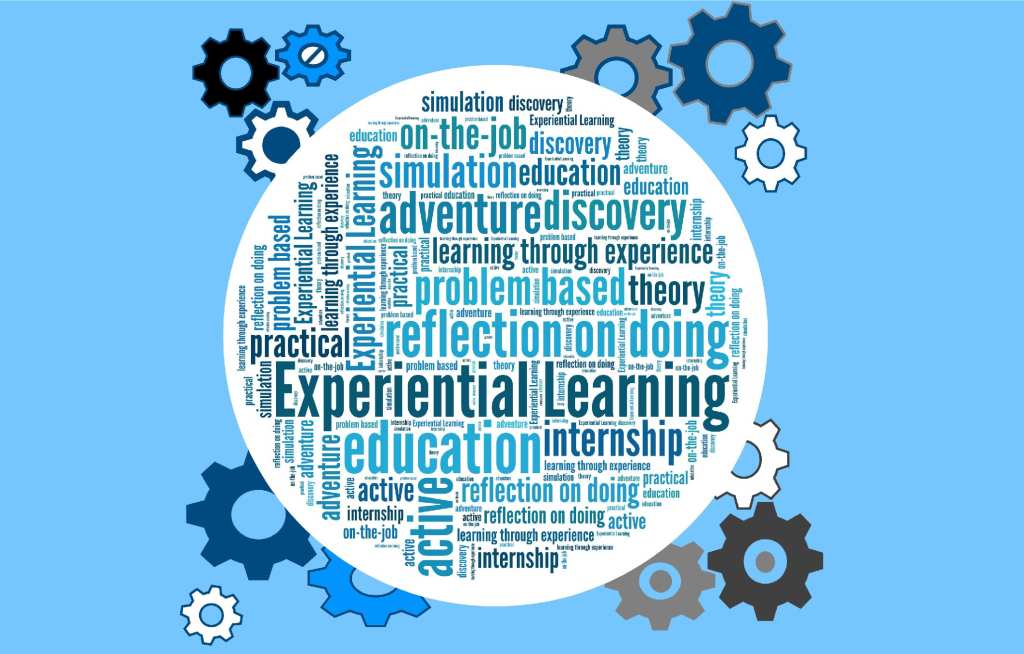
Experiential Learning: Unlocking the Power of Hands-On Education
Traditional education has long been centered around textbooks, lectures, and exams. However, a growing movement in alternative schooling and education is embracing experiential learning as a powerful tool for student success. By actively engaging students in hands-on experiences, this approach allows them to develop crucial skills while deepening their understanding of academic concepts.
At its core, experiential learning emphasizes the importance of real-world application. Instead of solely relying on theoretical knowledge, students are encouraged to explore and experiment with concepts in practical settings. This approach not only fosters creativity but also cultivates critical thinking skills that can be applied across various disciplines.
One key aspect of experiential learning is immersive field trips. Taking students out of traditional classrooms and into real-world environments provides opportunities for direct engagement with subject matter. For example, a science class studying marine life may visit an aquarium or go on a boat trip to observe marine ecosystems firsthand. By experiencing these environments up close, students gain a deeper appreciation for scientific principles while developing observation skills and empathy towards living organisms.
Similarly, project-based learning is another effective method used in experiential education. Rather than passively absorbing information from textbooks or lectures, students are tasked with solving real-life problems through collaborative projects. This active participation allows them to apply their knowledge practically while honing essential skills such as teamwork, communication, and problem-solving.
In addition to field trips and projects, internships and apprenticeships offer valuable opportunities for experiential learning by connecting students with professionals in their chosen fields. These experiences bridge the gap between classroom theory and workplace reality by immersing learners in professional settings where they can witness firsthand how concepts are put into practice.
Experiential learning also places great emphasis on reflection as an integral part of the educational process. After participating in hands-on activities or projects, students are encouraged to reflect upon their experiences, analyze their successes and failures, and make connections to theoretical knowledge. This reflective practice helps solidify understanding and encourages self-directed learning.
Furthermore, experiential learning promotes a growth mindset among students. By actively engaging in the learning process, they develop confidence in their abilities to acquire new skills and overcome challenges. This approach fosters resilience and a love of lifelong learning that extends beyond the classroom.
In conclusion, experiential learning is revolutionizing alternative schooling and education by providing students with meaningful experiences that enhance academic understanding while developing practical skills. Whether through field trips, projects, internships or reflection practices, this approach empowers learners to become active participants in their own education journey. By embracing experiential learning methods, we can unlock the full potential of our students and prepare them for success in an ever-changing world.
 Alternative Amie
Leave a comment