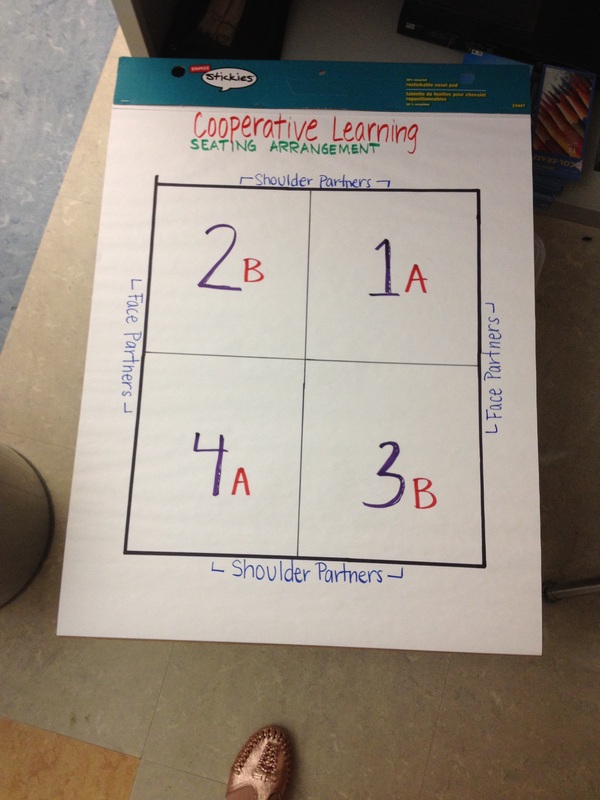
Cooperative learning, also known as co-op education or cooperative schooling, is an alternative approach to traditional education that emphasizes collaboration and community involvement. In a co-op setting, students work together in small groups or classes to learn and explore subjects of interest under the guidance of facilitators or teachers. This article aims to provide a comprehensive guide on co-op schedules and structure, addressing frequently asked questions about this unique educational model.
1. What is the general structure of a co-op?
The structure of a co-op can vary depending on the specific needs and goals of the participating families. However, there are some common elements that tend to be present in most cooperative learning environments:
a) Parent involvement: Co-ops often require active parental participation in various capacities such as teaching classes, organizing field trips, managing administrative tasks, or providing support during sessions.
b) Regular meetings: Most co-ops hold regular planning meetings where parents come together to discuss curriculum choices, logistics, scheduling, and other important matters related to the functioning of the co-op.
c) Group activities: Co-ops typically offer group activities such as science experiments, art projects, drama performances or presentations where students have opportunities for hands-on learning experiences while working collaboratively with their peers.
d) Rotating responsibilities: To ensure shared responsibility among families involved in the co-op, tasks like teaching classes or leading field trips may rotate among parents according to their interests and expertise.
2. How long do co-op sessions typically last?
Co-op sessions can vary in length depending on factors such as age group served and availability of facilities. Sessions may range from half-day programs lasting 2-3 hours per week to full-day programs that meet for 6-8 hours once a week. Some larger cooperatives even have multi-day sessions that span over multiple days each week.
3. What are some common schedule options for co-ops?
Here are three popular schedule options for co-ops:
a) Weekly sessions: In this format, the co-op meets once a week for a set number of hours. The day and time can be determined based on the availability of parents and facilities. This option allows families to plan their schedules around the co-op day while still leaving enough time for other activities.
b) Intensive blocks: Some co-ops choose to meet intensively over shorter periods rather than spreading out sessions throughout the year. For example, they may have intensive blocks during summer or winter breaks where they meet daily for several weeks to cover a specific topic or theme in-depth.
c) Semester-based approach: Co-ops following a semester-based schedule divide their academic year into two semesters, much like traditional schools. Each semester typically lasts 15-18 weeks with classes meeting once or twice a week. This structure provides more flexibility in terms of course offerings and allows families to adjust their commitments between semesters if necessary.
4. How do families coordinate subjects offered at a co-op?
Coordinating subjects offered at a co-op involves collaboration among participating families. During planning meetings, parents discuss their children’s educational needs and interests and propose potential courses or activities they can offer as part of the curriculum. Families can pool resources by sharing teaching materials, books, equipment, or hiring external instructors for specialized subjects.
Consensus-building is essential when deciding which subjects will be offered each semester or session since it should reflect the collective interests of all participants while ensuring that there is an appropriate balance across different disciplines.
5. Can students choose their own classes within a co-op?
Yes, most cooperative learning environments allow students to have some agency in selecting classes based on their individual interests and goals. By involving students in the decision-making process regarding class choices, they feel empowered and motivated to actively engage in their learning experiences.
To implement student choice effectively, co-ops may provide course catalogs containing descriptions of available classes, prerequisites, and schedules. Students can then make informed decisions about which courses align with their interests and academic requirements.
6. How are cooperative learning groups organized?
Co-op groups are typically organized based on age or grade level to ensure appropriate curriculum alignment and social interaction. However, some co-ops may adopt a multi-age or mixed-grade approach where students of different ages learn together in order to promote peer mentoring and collaboration across different levels of knowledge.
7. Are there any assessments or evaluations in co-op settings?
Assessment methods in co-ops can vary depending on the philosophy and goals of the group. While some families choose not to focus on traditional grades or exams, others may incorporate various assessment strategies such as project-based assessments, portfolios, presentations, self-evaluations, or collaborative evaluations.
The emphasis is often placed on holistic evaluation that considers individual progress, participation levels, skill development, critical thinking abilities, creativity, problem-solving skills, teamwork capabilities along with personal growth indicators rather than relying solely on standardized testing.
In conclusion,
Cooperative learning offers unique opportunities for students to actively participate in their education while fostering a sense of community among families involved. By understanding the structure and scheduling options available within a co-op setting along with the collaborative decision-making process for subjects offered at these institutions will help you make an informed choice when exploring alternative schooling options for your child’s educational journey.
 Alternative Amie
Leave a comment