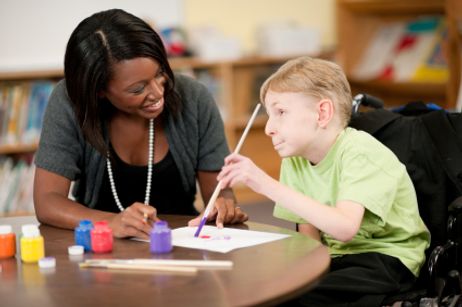
Special Needs Education: Providing Inclusive and Individualized Learning
Education is a fundamental right for every child, regardless of their abilities or disabilities. Special needs education aims to provide inclusive and individualized learning experiences for students with diverse learning needs. This approach recognizes that each child has unique requirements and ensures that they receive appropriate support to thrive academically, socially, and emotionally.
What is special needs education?
Special needs education refers to the provision of educational services tailored to meet the specific needs of students with disabilities or exceptionalities. These may include physical, sensory, cognitive, emotional, behavioral, or developmental challenges. The goal is to create an inclusive environment where all students can learn together while receiving personalized attention.
Inclusive classrooms
In recent years, there has been a shift towards inclusive classrooms. Inclusion promotes interaction between students with special needs and their typically developing peers in regular schools. It fosters acceptance, understanding, empathy, and respect among all learners.
Inclusive classrooms benefit not only students with special needs but also those without disabilities. Through interactions with diverse individuals from a young age, children develop social skills and become more accepting of differences. They learn about empathy and gain valuable life lessons that will shape them into compassionate adults.
Individualized Educational Plans (IEPs)
One key aspect of special needs education is the development of Individualized Educational Plans (IEPs). An IEP outlines specific goals tailored to each student’s strengths and weaknesses. It includes strategies for addressing barriers to learning as well as accommodations or modifications needed in curriculum delivery.
The IEP process involves collaboration between educators, parents/guardians, specialists such as speech therapists or occupational therapists if necessary), and sometimes even the student themselves (depending on their age). Regular meetings are held to assess progress towards goals outlined in the plan while making adjustments if required.
Supportive teaching methods
To cater to different learning styles and abilities within an inclusive classroom setting requires flexible teaching methods. Special needs education employs various strategies such as differentiated instruction, multisensory approaches, assistive technology, and specialized teaching materials.
Teachers are trained to adapt their teaching methods to accommodate diverse learning needs. They may provide visual aids, hands-on activities, or additional support like one-on-one instruction or small group work. The aim is to ensure that all students can actively engage in the learning process and reach their full potential.
The role of special education teachers
Special education teachers play a crucial role in ensuring the success of special needs education. These professionals have specialized training and expertise in working with students who have disabilities or exceptionalities. They collaborate with general education teachers, parents/guardians, and other specialists to develop and implement IEPs.
Additionally, special education teachers advocate for the rights and needs of their students within the school system. They act as liaisons between families and educational institutions to create a supportive environment where every child feels valued.
In conclusion, special needs education is an essential component of inclusive schooling that aims to meet the diverse learning requirements of students with disabilities or exceptionalities. By providing individualized support through IEPs and utilizing inclusive teaching practices, all learners can access quality education tailored to their unique abilities. Through these efforts, we strive for an educational landscape where every child has equal opportunities for growth and success.
 Alternative Amie
Leave a comment