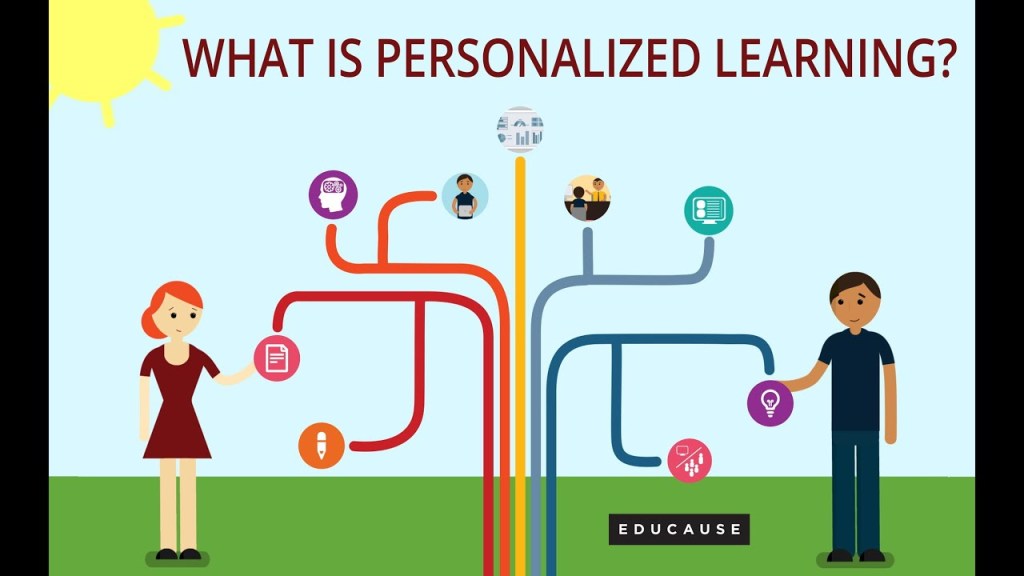
Differentiated instruction is a teaching approach that recognizes and accommodates diverse learning needs within a classroom. In alternative schools, where students often have unique educational requirements, differentiated instruction plays a crucial role in ensuring student success. By tailoring instruction to each student’s strengths, interests, and learning styles, teachers can provide personalized learning experiences.
Individualized learning plans (ILPs) are another key element of alternative education. An ILP is a customized roadmap that outlines the academic goals and strategies for each student. It takes into account their specific strengths, weaknesses, and aspirations. The ILP serves as a guide for both the student and teacher to ensure that the educational experience is aligned with individual needs.
👉 Check it out: Shop Tactical Flashlight on Amazon
Self-paced learning allows students in alternative schools to progress through the curriculum at their own speed. This approach recognizes that not all learners acquire knowledge or skills at the same pace. Self-paced learning encourages students to take ownership of their education by allowing them to advance based on mastery rather than arbitrary timelines.
👉 Check it out: Shop Hiking Boots on Amazon
Project-based learning (PBL) is widely used in alternative schools as it promotes hands-on engagement and fosters critical thinking skills. PBL involves students working collaboratively on real-world projects that require problem-solving, research skills, and creativity. This approach helps students develop essential competencies while also personalizing their education by connecting it to their interests and passions.
Personalized assessment methods focus on evaluating individual student growth rather than relying solely on standardized tests or grades. Alternative schools often use portfolios, presentations, exhibitions, or performance assessments as means of assessing student progress accurately. These methods consider various aspects of a student’s abilities beyond traditional measures like test scores.
Adaptive technology is an invaluable tool for personalized learning in alternative education settings. It enables tailored instruction based on each learner’s preferences and abilities through adaptive software programs or online platforms designed specifically for this purpose.
Social-emotional learning (SEL) has gained recognition as an essential component of personalized education in alternative schools. This approach supports students’ emotional well-being, self-awareness, and social skills development. SEL helps create a supportive and inclusive learning environment that acknowledges the unique needs of each student.
Personalized career exploration and guidance assist students in alternative schools by aligning their education with future aspirations. By providing resources, mentorships, internships, and exposure to various careers, educators help students explore their interests and make informed decisions about their academic paths.
Students with special needs benefit greatly from personalized learning approaches tailored to their abilities and requirements. Alternative schools often provide individualized support services such as specialized instruction, accommodations, or therapeutic interventions to ensure these students receive an equitable educational experience.
Culturally responsive personalized learning approaches are essential for promoting inclusivity in alternative education settings. Recognizing diverse cultural backgrounds allows educators to integrate students’ identities into the curriculum while fostering mutual respect and understanding among peers.
Gifted and talented students also require personalized learning experiences to meet their unique needs. Alternative schools offer enrichment programs, acceleration options, or advanced courses specifically designed for these learners to challenge them academically while nurturing their talents.
Parental involvement plays a crucial role in personalized education within alternative school settings. Parents collaborating with teachers can contribute valuable insights into a child’s strengths, weaknesses, interests, and goals. Their involvement enhances the partnership between home and school for more effective personalized learning outcomes.
Peer collaboration is another important aspect of personalized education in alternative schools. Collaborative projects or group activities allow students to learn from one another’s perspectives while developing teamwork skills that will benefit them both academically and socially.
For at-risk youth attending alternative schools due to behavioral or disciplinary issues, personalized learning offers a chance for academic success through targeted interventions based on individual needs. These interventions may include counseling services or restorative justice practices alongside academic support strategies.
Online alternative schools utilize technology platforms that enable customized instruction based on individual progress levels while offering flexible scheduling options suited for different lifestyles and circumstances.
Experiential education emphasizes learning through practical experiences outside the traditional classroom. This approach allows students in alternative schools to apply their knowledge and skills in real-world contexts, enhancing personalization by connecting education to their lived experiences.
Student motivation is a critical factor in personalized learning environments. By incorporating student interests, providing choice, and fostering a sense of autonomy, alternative schools can enhance intrinsic motivation and engagement among learners.
Personalized curriculum design ensures that the content and instructional strategies align with individual needs and goals. Alternative schools often create flexible curricula that allow for customization based on each student’s strengths, weaknesses, interests, or career aspirations.
Teachers play a vital role in implementing personalized learning approaches within alternative education settings. They act as facilitators, guides, and mentors who support students’ individual journeys while adapting instruction to meet diverse needs effectively.
Equity considerations are essential when implementing personalized education approaches in alternative schools. Educators strive to ensure that all students have equal access to resources, opportunities, and supports necessary for success regardless of their background or circumstances.
Building a supportive school culture is crucial for effective personalized learning implementation in alternative educational settings. A positive school climate promotes trust, collaboration among teachers and students fosters social-emotional well-being while creating an inclusive environment where all learners feel valued.
Student agency refers to empowering students with voice and choice in their educational journey within alternative schooling models. Shared decision-making processes enable learners to take ownership of their education actively while promoting self-advocacy skills development.
Data analysis plays a significant role in informing personalization strategies within alternative schools. By collecting data on student performance or progress over time educators can identify trends patterns assess effectiveness of interventions make informed decisions about instructional adjustments tailor support accordingly
Professional development programs are crucial for teachers working towards implementing personalized learning practices effectively within alternative educational settings These programs provide educators with training resources guidance necessary adapt teaching methods address individual student needs promote continuous improvement
Balancing structure and flexibility is key in alternative schooling models that aim to offer personalized education. While structure provides a framework and ensures accountability, flexibility allows for customization based on individual needs preferences promoting student engagement success.
In conclusion, alternative schools employ various strategies to personalize education for their students. Through differentiated instruction, individualized learning plans, self-paced learning, project-based learning, and adaptive technology, among other approaches, educators create customized educational experiences that cater to each learner’s unique needs. By considering factors such as social-emotional development, special needs accommodations cultural responsiveness career exploration parental involvement peer collaboration assessment methods and data analysis teachers foster inclusive supportive environments where students can thrive. The combination of these strategies helps to build equity student agency motivation curriculum design teacher roles school culture professional development balanced structures flexible alternatives ultimately leads successful outcomes within alternative education settings
🛒 Recommended Products
As an Amazon Associate, we earn from qualifying purchases.
Disclosure: This post contains Amazon affiliate links. As an Amazon Associate, we earn from qualifying purchases at no additional cost to you.
 Alternative Amie
Leave a comment