Experiential Learning: Unlocking the Power of Experience in Education
Education is no longer confined to textbooks and traditional classrooms. As we recognize the limitations of rote memorization and passive learning, a new approach has emerged – experiential learning. This innovative method focuses on hands-on experiences that actively engage students, fostering critical thinking skills, problem-solving abilities, and a deeper understanding of concepts.
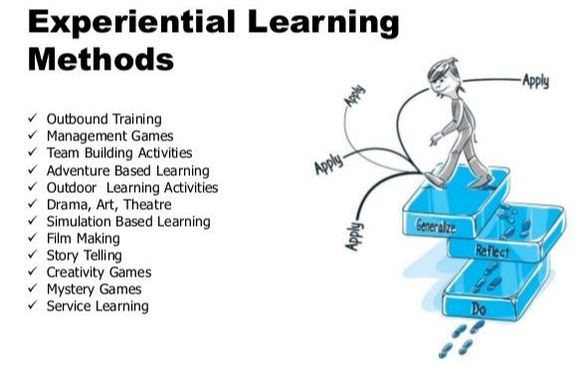
Unlike conventional education models that rely heavily on lectures and exams, experiential learning encourages students to explore real-world situations by immersing themselves in practical activities. Whether it’s conducting experiments in a science lab, participating in community service projects or internships, or even embarking on field trips to historical sites or nature reserves – experiential learning offers limitless possibilities for growth and development.
One key aspect of experiential learning is its emphasis on reflection. After engaging in an experience, students are encouraged to reflect upon their observations and draw connections between theory and practice. By doing so, they gain insights into how their actions align with academic knowledge while also considering the implications these experiences have on their personal growth.
Moreover, this approach recognizes that each student possesses unique strengths and interests which can be harnessed through personalized educational experiences. Experiential learning allows individuals to tailor their studies towards subjects they are passionate about while simultaneously developing essential life skills such as communication, teamwork, adaptability, and leadership.
The benefits of experiential learning extend beyond academics alone. Students who participate in this dynamic form of education often exhibit increased self-confidence as they tackle challenges head-on rather than passively absorbing information from textbooks. They become active contributors within their communities as they apply classroom knowledge to solve real-world problems effectively.
Furthermore, research indicates that experiential learning significantly enhances long-term memory retention compared to traditional teaching methods alone. The hands-on nature of this approach stimulates multiple senses simultaneously – seeing, touching, hearing – allowing for more efficient cognitive processing and knowledge retention.
Experiential learning also provides a bridge between theory and practice, preparing students for the demands of the modern workforce. Employers are increasingly seeking individuals who possess not only academic knowledge but also practical skills and problem-solving abilities. By engaging in real-world experiences, students develop a deeper understanding of their chosen fields, gaining confidence that will serve them well in future careers.
In conclusion, experiential learning represents a fundamental shift in educational paradigms. By actively involving students in meaningful experiences that connect theory to practice, this approach unlocks their full potential while fostering essential life skills. It empowers learners to become critical thinkers and problem solvers who are adaptable and ready to tackle any challenge that comes their way. As we embrace alternative schooling methods, let us recognize the immense value of experiential learning as an invaluable tool for shaping well-rounded individuals prepared for success in both academics and life beyond the classroom.
 Alternative Amie
Leave a comment