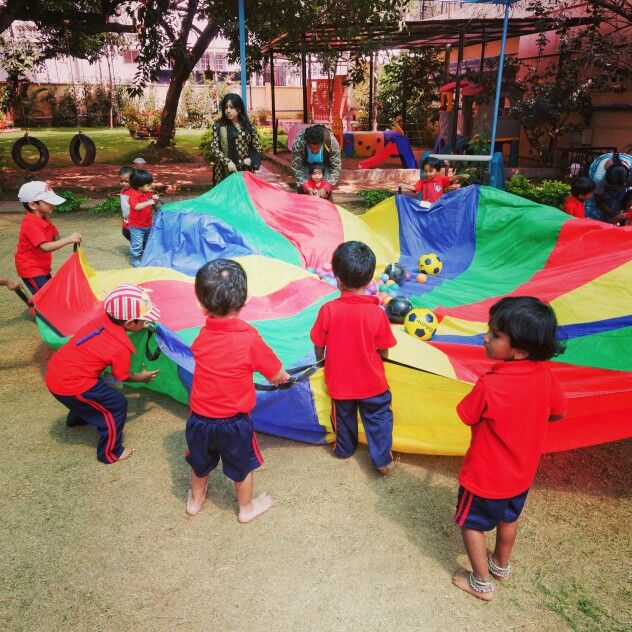
Cooperative Games: Fostering Collaboration and Teamwork in Alternative Education
In alternative schooling and education, the focus is often on creating a holistic learning environment that nurtures not only academic growth but also social-emotional development. One powerful way to promote collaboration, empathy, and teamwork among students is through cooperative games. Unlike competitive games where players vie against each other, cooperative games encourage participants to work together towards a common goal. In this Q&A style post, we will explore the benefits of cooperative games in alternative education settings.
Q: What exactly are cooperative games?
A: Cooperative games are designed to be played collaboratively rather than competitively. Instead of one winner or a few winners, all players work together towards achieving a shared outcome. These types of games emphasize cooperation, communication, problem-solving skills, and mutual support.
Q: How can cooperative games benefit students in alternative education?
A: Cooperative games have several advantages for students in alternative education:
1. Promoting teamwork: By playing together towards a common goal, students learn how to collaborate effectively as a team. They develop skills such as active listening, effective communication, sharing responsibilities, and valuing diverse perspectives.
2. Encouraging empathy and respect: Cooperative games foster an understanding of others’ feelings and experiences by requiring players to consider everyone’s needs while making decisions collectively. This cultivates empathy and respect for others’ ideas and contributions.
3. Enhancing problem-solving abilities: Through collaborative gameplay scenarios that require critical thinking and creative solutions to overcome challenges or obstacles collectively; students strengthen their problem-solving skills.
4. Building trust: As students engage in shared decision-making processes during cooperative gameplay experiences; they build trust among themselves by relying on each other’s strengths within the group dynamic.
5. Developing conflict resolution skills: Cooperative play often introduces conflicts or disagreements within the game context itself which provides opportunities for students to practice conflict resolution strategies constructively.
6.Encouraging active participation: Cooperative games ensure that all players are actively involved throughout the gameplay experience, minimizing feelings of exclusion or isolation.
Q: How can cooperative games be incorporated into alternative education settings?
A: There are various ways to incorporate cooperative games into alternative education settings:
1. Classroom activities: Teachers can introduce cooperative games as part of their regular classroom activities. For example, they could design group-based projects where students work together towards a common goal or play board games that require collaboration and strategic thinking.
2. Team-building exercises: Cooperative games can be used as team-building exercises at the beginning of the school year or during specific workshops. These activities help students get to know each other better, build trust, and establish a positive classroom culture.
3. Outdoor adventures: Outdoor trips or nature-based experiences offer opportunities for cooperative gameplay in a different context. Activities such as scavenger hunts, geocaching, or ropes courses encourage teamwork and collaboration while allowing students to explore their natural surroundings.
4. Social-emotional learning programs: Many alternative education programs prioritize social-emotional learning (SEL). Cooperative games align perfectly with SEL goals by providing interactive experiences that develop self-awareness, responsible decision-making, relationship skills, and social awareness.
Q: Can you provide some examples of popular cooperative games?
A: Certainly! Here are a few examples of well-known cooperative board and card games:
1. Pandemic: In this game, players work together as members of an elite disease control team striving to prevent global outbreaks and find cures for deadly diseases before time runs out.
2. Forbidden Island/Desert/Sky: These interconnected tabletop adventure board games require players to collaborate in order to retrieve valuable treasures from different locations while managing limited resources and battling against environmental hazards.
3. Hanabi: This card game challenges players’ communication skills as they collectively try to organize sets of numbered cards in sequential order without being able to see their own hand but only those of their teammates.
4. Mysterium: In this cooperative mystery-solving game, players work together to solve a murder by interpreting abstract clues provided by a “ghost” player.
Q: Are there any considerations or challenges when using cooperative games in alternative education?
A: While cooperative games offer numerous benefits, it is important to consider individual student needs and potential challenges:
1. Varying skill levels: Cooperative games should be designed or chosen with consideration for the range of abilities within the group to ensure that all students can actively participate and contribute meaningfully.
2. Balancing competition and cooperation: While competitive elements can be present in some cooperative games, it is crucial to strike a balance that prioritizes collaboration over winning, ensuring that students do not become too focused on individual achievements rather than collective success.
3. Managing conflicts and disagreements: As with any group activity, conflicts or disagreements may arise during cooperative gameplay. Teachers should provide guidance on how to navigate these situations constructively using conflict resolution strategies.
In conclusion, incorporating cooperative games into alternative education settings offers an effective way to foster collaboration, teamwork, empathy, problem-solving skills, trust-building, and conflict resolution among students. By providing engaging experiences where everyone works towards a shared objective instead of competing against each other; cooperative games create environments conducive to positive social-emotional growth and learning.
 Alternative Amie
Leave a comment