Co-op Community Building and Support Networks
In our modern society, where individualism often takes precedence over collective well-being, it’s refreshing to see the resurgence of co-operative communities. Co-ops provide an alternative model for education that emphasizes collaboration, shared resources, and mutual support. These community-building initiatives not only foster a sense of belonging but also enable individuals to thrive in ways that traditional schooling systems may fall short.
At their core, co-ops are based on the principles of cooperation, self-help, democracy, equality, equity, and solidarity. They aim to create inclusive spaces where everyone has a voice and contributes to decision-making processes. This democratic approach ensures that each member feels valued and empowered within the community.
One significant benefit of co-op communities is their ability to offer educational experiences tailored to individual needs and interests. Unlike conventional schools with rigid curricula and standardized assessments, co-ops embrace flexibility in learning approaches. Students have the freedom to explore subjects they are passionate about while receiving guidance from experienced mentors or facilitators who act as guides rather than authority figures.
Moreover, by pooling together resources such as materials, equipment, expertise, and even physical spaces like workshops or laboratories, co-op communities can provide access to opportunities that might otherwise be out of reach for many individuals. For example, imagine a student interested in robotics who doesn’t have access to expensive equipment at home—through a cooperative network they can collaborate with others who possess these resources.
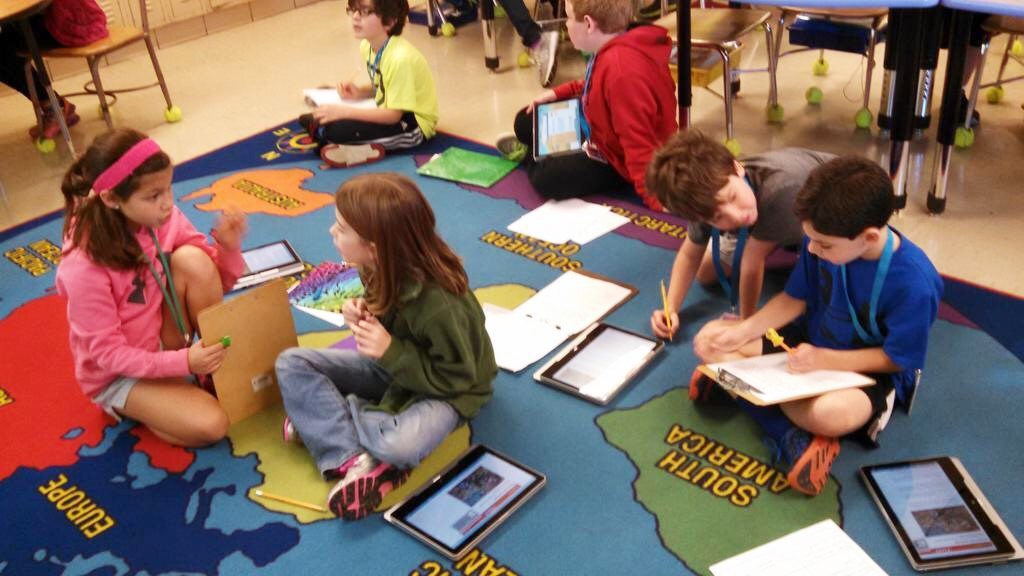
Another crucial aspect of co-op communities is their emphasis on peer support networks. Traditional school environments often foster competition among students rather than collaboration. In contrast, co-ops encourage students to help one another grow academically and personally. Students learn from each other’s strengths while offering assistance in areas where someone may struggle.
These support networks extend beyond academic matters; they form tight-knit communities that provide emotional support as well. In times when mental health issues among young people are on the rise, having a network of peers who genuinely care can make a significant difference. Co-op communities foster an environment where students feel comfortable discussing their challenges and receiving support from those who understand their experiences.
Moreover, co-ops often extend this sense of community beyond educational pursuits. Many cooperative initiatives organize extracurricular activities like field trips, cultural events, and sports teams, which further strengthen the bonds between members. These shared experiences create lasting friendships and cultivate social skills that are essential for personal growth.
In addition to peer support networks, co-op communities also benefit from partnerships with local organizations or businesses. By collaborating with external entities, co-ops can tap into additional resources and expertise while fostering connections within the broader community. This cooperation not only enriches educational opportunities but also allows students to engage in real-world experiences outside the confines of traditional schooling environments.
Furthermore, co-op communities play a vital role in promoting values such as environmental sustainability and social responsibility. By emphasizing sustainable practices within their operations—such as recycling programs or collective gardening—co-ops instill environmentally conscious mindsets in their members. Additionally, through community service projects or involvement in social justice causes, co-ops encourage young people to become active contributors to society.
Cooperative education is not without its challenges; it requires strong commitment and active participation from all members involved. However, the benefits far outweigh any obstacles encountered along the way. The sense of belonging cultivated within these communities fosters self-confidence and resilience among students—a foundation that will serve them well throughout their lives.
As we navigate an evolving educational landscape shaped by societal changes and technological advancements, it becomes evident that alternatives like co-op education hold immense value for individuals seeking holistic development beyond academic achievements alone. By embracing collaboration over competition and prioritizing collective well-being over individual success metrics, we pave the way for a more inclusive approach to education—one that empowers individuals while building resilient communities capable of tackling future challenges.
 Alternative Amie
Leave a comment