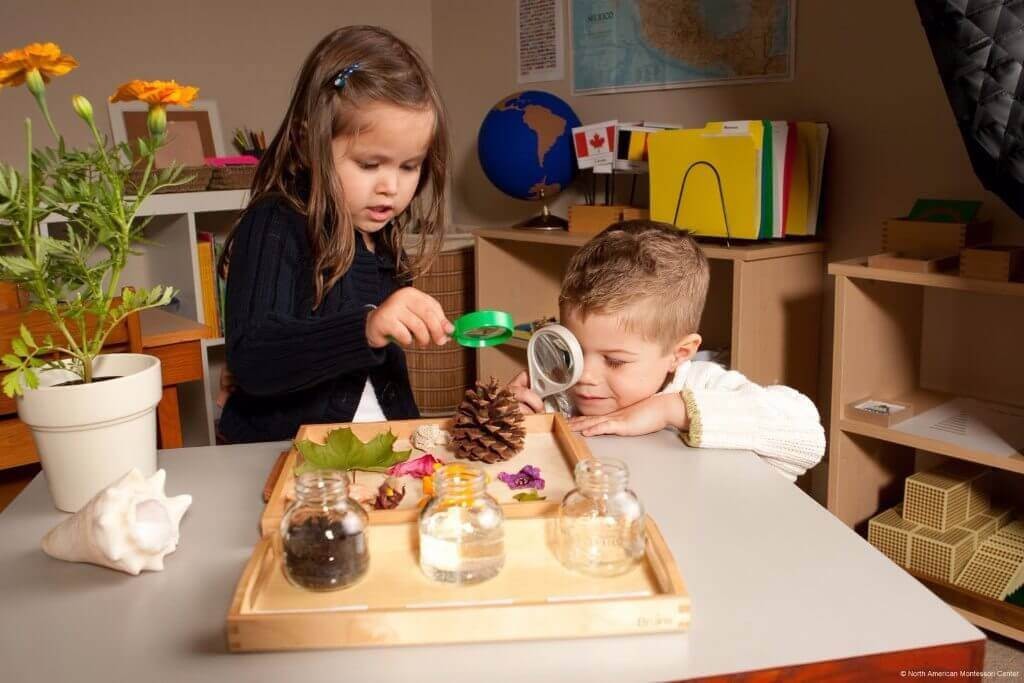
Montessori education is a unique approach to learning that has gained popularity in recent years. It is an alternative form of schooling that emphasizes the child’s natural curiosity and desire to learn. The Montessori method was developed by Dr. Maria Montessori, an Italian physician and educator, who believed that children learn best when they are allowed to explore their environment and follow their interests.
One of the main principles of Montessori education is respect for the child as an individual. This means that teachers do not impose their will on students but instead act as guides who help children discover their own interests and passions. In a Montessori classroom, children are free to choose what they want to work on, with guidance from the teacher.
Montessori classrooms are designed to be child-centered environments where everything is scaled down to fit the size of the child. Furniture and equipment are low enough so that young children can reach them easily, while older students have access to larger tables and chairs.
Another key element of Montessori education is hands-on learning. Students work with materials specifically designed for each stage of development, which helps them develop skills at their own pace. For example, younger children might work with blocks or puzzles while older students might use geometric shapes or math manipulatives.
The curriculum in a Montessori school covers all subjects – language arts, mathematics, science, social studies – but it does so in an integrated way rather than through separate subjects taught at different times during the day. Lessons often incorporate multiple subjects at once.
In addition to academic learning, Montessori schools emphasize character development and social skills such as cooperation and conflict resolution. Children learn how to interact with others through group projects or working together on tasks like cleaning up after lunchtime.
Critics argue that Montessori education does not prepare children well enough for traditional schooling because it lacks structure and discipline; however supporters believe this type of education fosters creativity and independent thinking.
One of the biggest challenges facing Montessori education is ensuring that teachers are properly trained in this method. Dr. Montessori believed that the role of a teacher was to observe students, identify their needs, and provide guidance when needed; however, many teachers have been trained in traditional methods and find it difficult to let go of control.
Despite these challenges, Montessori education continues to grow in popularity as parents seek out alternative forms of schooling for their children. The benefits of this approach are clear: children who attend Montessori schools tend to be more self-confident, better problem-solvers, and more creative than those who attend traditional schools.
In conclusion, Montessori education is a unique approach to learning that emphasizes respect for the child as an individual, hands-on learning, integration across subjects, character development and social skills. While there are challenges associated with implementing this method in schools today such as proper training for teachers or preparing students for traditional schooling later on- it remains a popular choice among parents looking for educational alternatives. If you’re considering enrolling your child in a Montessori school, make sure you do your research first so you can make an informed decision about what’s best for your family.
 Alternative Amie
Leave a comment