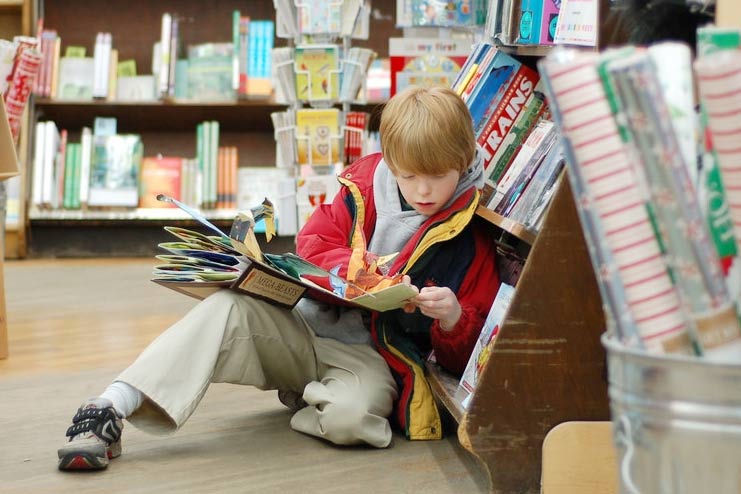
Unschooling is a type of education that emphasizes self-directed learning and allows children to follow their interests. This approach has been gaining popularity as an alternative to traditional schooling, which can be restrictive and inflexible.
One of the benefits of unschooling is that it fosters creativity in children. By allowing them to pursue their passions, children are more likely to become engaged with what they are learning and develop their own unique ideas. This can lead to creative thinking and problem-solving skills that will serve them well throughout their lives.
However, some critics argue that unschooling may not provide enough structure or guidance for children. Without a clear curriculum or schedule, they may miss out on important foundational knowledge or struggle to develop basic skills.
Proponents counter by saying that unschooled children often learn these skills through real-world experiences and practical applications rather than rote memorization or standardized testing. They also point out that this approach can be tailored to each child’s individual needs, strengths, and weaknesses.
Whether you believe in the merits of unschooling or not, it’s clear that creativity plays an important role in education today. As our world becomes increasingly complex and interconnected, we need thinkers who can see things from different perspectives and come up with innovative solutions. Unschooling may be one possible way to nurture this kind of creativity in our young people.
 Alternative Amie
Leave a comment