STEAM Education: An Innovative Approach to Learning
The educational landscape is continuously evolving, and educators are always looking for novel ways to engage students in learning. One of the latest innovative approaches is STEAM education, which integrates Science, Technology, Engineering, Arts, and Mathematics into a cohesive teaching model.
STEM (Science, Technology, Engineering, and Mathematics) has been around for a while now as an approach that focuses on these critical subjects. However, the addition of Arts (A) into STEM transforms it into STEAM.
In this post, we will delve deeper into what STEAM education entails and how it can benefit students’ academic performance and future careers.
What Is STEAM Education?
STEAM education is an interdisciplinary approach that incorporates scientific concepts with art elements such as design principles or creative problem-solving techniques. The program emphasizes project-based learning where students work collaboratively on real-world problems to encourage creativity and innovation.
One significant advantage of incorporating the arts into STEM courses is that it makes them more accessible to all learners regardless of their strengths or interests. This inclusiveness allows students who may not have been interested in traditional math or science courses to participate fully in projects that involve technology or engineering.
Additionally, since most jobs today require some level of technological competence irrespective of industry sector or job type; integrating technology skills with arts helps prepare learners for success in any field they choose eventually.
Benefits Of STEAM Education
1. Enhances Problem-Solving Skills
STEAM education encourages project-based learning where students work together towards solving real-life problems using their knowledge from different disciplines. This collaborative effort fosters an environment where individuals learn how to communicate effectively while working towards achieving common goals.
2. Encourages Creativity And Innovation
Artistic expression brings out creativity among learners while engaging them in hands-on activities such as designing prototypes or models based on scientific concepts learned during class lessons.
3. Prepares Students For Future Careers
As we mentioned earlier, most jobs today require some level of technological competence. STEAM education provides learners with hands-on experience in technology and engineering, which helps prepare them for future careers regardless of the industry sector they choose to work in.
4. Increases Interest In STEM Subjects
Studies have shown that students who participate in STEAM programs are more likely to show interest in STEM subjects than those who do not participate. This increased interest could lead to better performance in these subjects and potentially open up more career opportunities for the students.
5. Holistic Development Of Learners
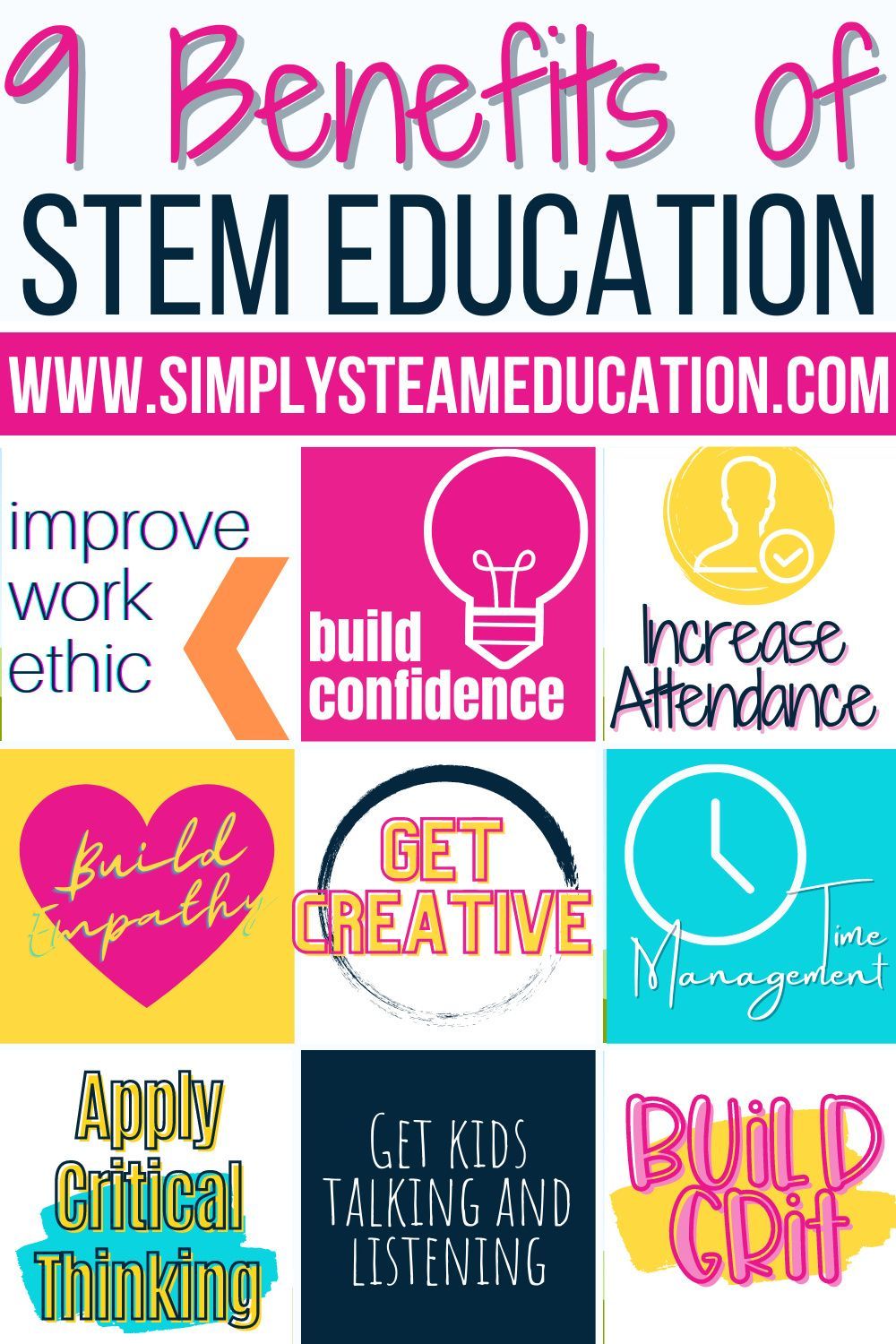
STEAM education encourages holistic development among learners by combining different subject areas into one cohesive approach. Students develop a broad range of skills such as critical thinking, problem-solving, communication, teamwork, time management skills all while learning about scientific concepts and artistic expression.
Implementing STEAM Education Programs
To implement effective STEAM programs within schools or other educational institutions requires careful planning and collaboration among educators from different disciplines.
Here are some steps that can guide successful implementation:
1. Curriculum Design: Curriculum design is essential when developing a STEAM program because it outlines what will be taught during lessons and how they will be delivered effectively.
2. Professional Development: Teachers need professional development sessions on how to integrate art elements into their STEM courses effectively.
3. Resources: Schools must ensure access to resources such as technology tools or materials needed for project-based learning activities or laboratories where experiments can be conducted easily without interruption from other classes or activities happening around them concurrently.
4. Collaboration: Collaboration among educators from various disciplines is critical when implementing a successful STEAM program; this fosters an environment where everyone works towards common goals leading to optimal results for learners’ holistic development.
Challenges Of Implementing STEAM Programs
Despite its numerous benefits, there are challenges associated with implementing effective STEAM programs within schools or educational institutions:
1. Funding Constraints – Implementing a comprehensive program may require substantial funding beyond what some schools can afford.
2. Lack of Qualified Teachers – STEAM education requires qualified teachers in both STEM and Art fields, which may be hard to find or require additional training for current educators.
3. Infrastructure Issues – Some schools lack the necessary equipment or infrastructure needed to support STEAM programs such as laboratory facilities, technology tools, and other resources.
Conclusion
STEAM education is an innovative approach that combines Science, Technology, Engineering, Arts, and Mathematics into a cohesive teaching model. It fosters critical thinking skills while encouraging creativity among learners through hands-on activities that involve project-based learning.
The approach prepares learners for future careers by equipping them with essential technological competencies and increasing their interest in STEM subjects. Implementing effective STEAM programs requires careful planning involving curriculum design, professional development for teachers, access to resources such as funding and infrastructure issues’ resolution.
As we continue to witness rapid technological advancements globally today; it is crucial that our educational systems adapt accordingly by embracing innovative approaches like STEAM education to prepare learners adequately for a rapidly evolving world’s demands.
 Alternative Amie
Leave a comment