As the world becomes more competitive and fast-paced, education has become a priority for parents worldwide. The traditional education system is not suitable for all children, which has led to alternative schooling systems like Montessori gaining popularity in recent years.
Montessori education is an approach to learning that focuses on child-centered teaching methods. The methodology was developed by Dr. Maria Montessori in 1907 and has grown into a global movement with over 20,000 schools employing the method worldwide.
The primary goal of Montessori schools is to foster natural development through carefully crafted environments and teacher guidance that encourages self-discovery and independence. This philosophy values individuality as it recognizes every child’s unique talents, interests, abilities, and needs.
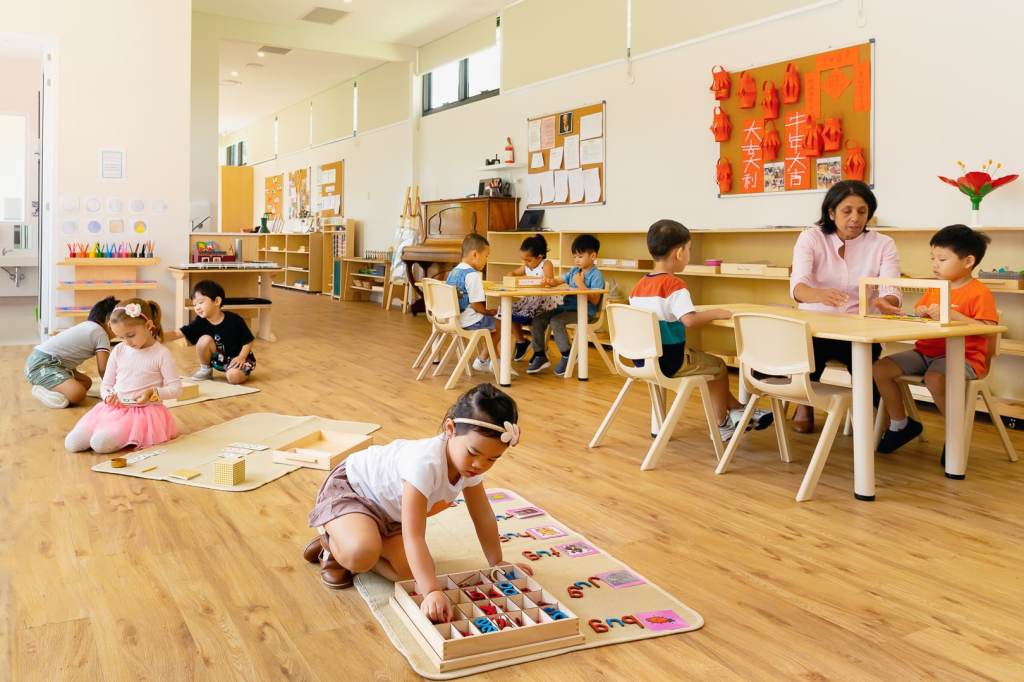
In Montessori classrooms, children are grouped by age but work at their own pace guided by teachers who encourage them to explore activities that suit their developmental level. These activities generally fall into five categories: practical life skills (e.g., cooking or cleaning), sensorial learning (using senses such as touch or smell), language development, mathematics exploration, and cultural studies.
One characteristic feature of Montessori classrooms is the use of hands-on materials designed explicitly for each subject area. For example, students learn math concepts using manipulatives like beads or blocks instead of just relying on textbooks; this helps students understand abstract concepts better.
Another significant aspect of Montessori methodology is the emphasis on fostering social skills like empathy towards others by building community bonds within the classroom environment. Teachers encourage cooperation rather than competition amongst students during group projects while also encouraging open communication between themselves and their pupils.
Parents who have chosen this educational path often note how much more independent their children become after attending a few months at a school following this method; they can tie shoelaces themselves or pour milk without spilling it – little things that make them feel proud of themselves!
In conclusion, choosing an alternative education system such as Montessori can be an excellent way to provide your child with a unique learning experience that prioritizes their individuality, independence, and social skills. The hands-on approach allows students to learn at their own pace while providing them with practical life experiences for the future.
 Alternative Amie
Leave a comment