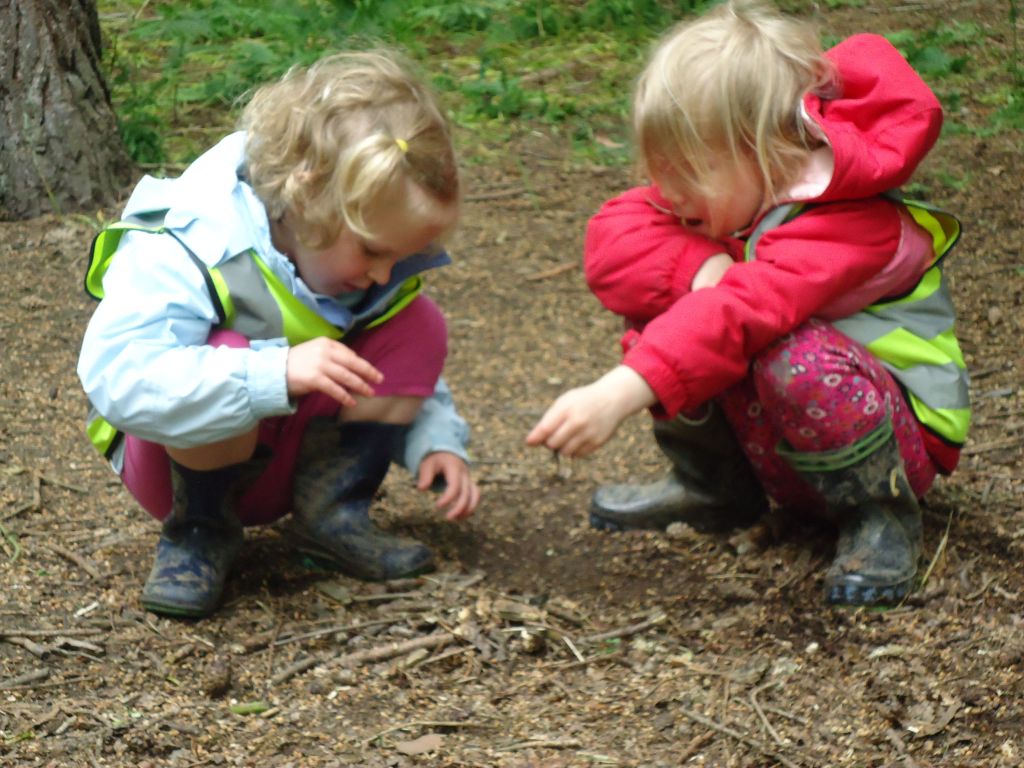
Forests have always been a natural and peaceful place for children to play, explore, and learn. Forest preschools are becoming increasingly popular as parents and educators recognize the benefits of outdoor learning. In this post, we will answer some frequently asked questions about forest preschools.
What is a forest preschool?
A forest preschool is an early childhood education program that takes place entirely outdoors in a wooded area or park. Children spend most of their time exploring nature, playing games, hiking, climbing trees, building forts using natural materials found in the environment.
What age range do these programs typically serve?
Forest preschools generally serve children who are between 2-6 years old. Some programs may offer classes for older children as well.
Who runs these programs?
Forest preschools can be run by individuals or organizations such as non-profit groups or schools. Teachers may have backgrounds in early childhood education or environmental studies.
How are lessons taught in a forest preschool?
The curriculum of a forest preschool is designed to encourage exploration of nature through play-based activities. Lessons focus on developing skills such as problem-solving, critical thinking, communication, creativity and imagination. The teachers provide support when needed while allowing ample opportunity for self-directed learning.
Are there any specific safety concerns with forest schools?
Safety is always a top priority at any school program including forest schools .Teachers are trained to identify potential hazards and teach children how to avoid them .They also carry first aid kits during class sessions ,and require all students to wear appropriate clothing for weather conditions ,with sturdy shoes being particularly important .
What benefits does a child gain from attending a forest school?
There are numerous benefits associated with attending a forest school:
1) Improved mental health: Studies show that exposure to green spaces reduces stress levels among both adults and children alike
2) Increased physical activity: Nature provides endless opportunities for physical activity such as climbing trees,hiking ,running etc which allows kids explore movement much more than they would in a traditional classroom setting
3) Enhanced cognitive development: The natural environment provides children with endless opportunities to learn and grow intellectually.
4) Improved social skills: Outdoor learning helps children develop interpersonal skills as they interact with their peers in a more natural setting.
5) Increased appreciation of nature: Forest schools help instill a love for the outdoors and inspire children to become stewards of our planet’s precious resources.
Are forest preschools expensive?
The cost of attendance varies depending on the program, location, and length of classes. Some schools may offer scholarships or sliding scale fees based on income level. Parents should research different programs in their area to find one that fits their budget.
What should parents look for when choosing a forest preschool?
When choosing a forest preschool parents should consider:
1) Accreditation: It is important to make sure that any program you choose has proper accreditation from state or national education authorities .
2) Teacher qualifications : Parents need to ensure that teachers are qualified ,experienced ,and have undergone background checks prior working with kids
3) Safety measures : Make sure safety policies are clearly stated by the school administrators before enrolling your child
4) Curriculum and approach: Look for programs that align with your child’s interests, values, and learning style.
5 ) Location : Consider how accessible the school is from home or work place .This will affect drop-off/pick-up times as well as transportation costs if needed .
In conclusion, Forest Preschools provide young learners an opportunity to explore the natural world while developing essential life skills such as problem solving,critical thinking ,communication,and creativity among others .These educational institutions foster curiosity, resilience ,and independence in students through hands-on experiences which ultimately prepare them for success both academically and personally.

 Alternative Amie
Leave a comment