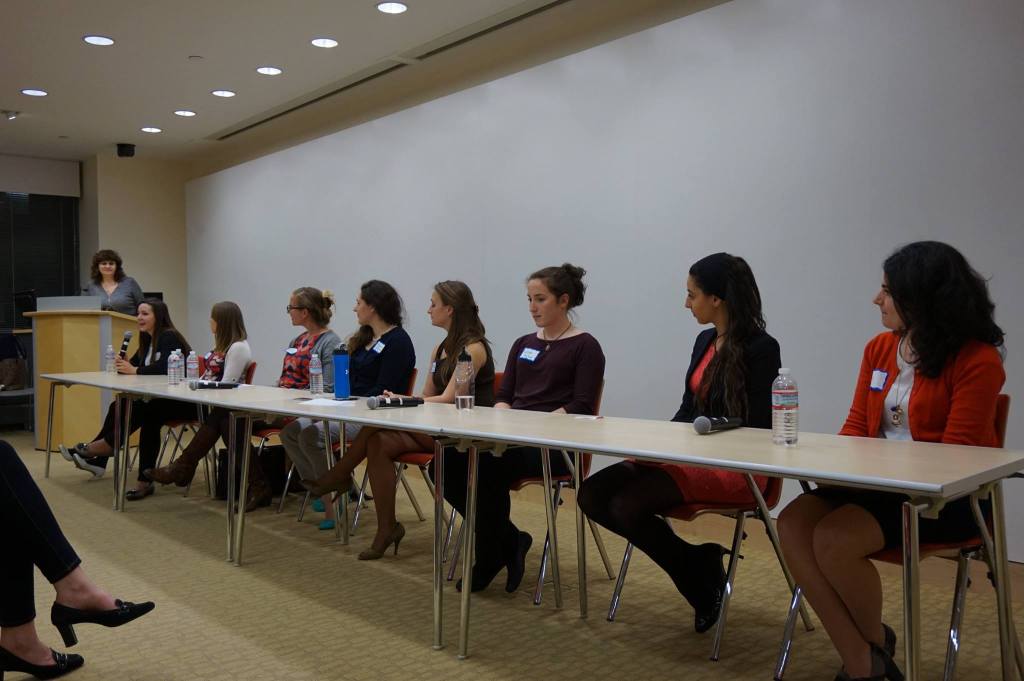
Panelists
1. Dr. Jane Smith, Professor of Mathematics Education at XYZ University
2. John Doe, STEM teacher at ABC School District
3. Mary Johnson, Co-founder of Girls Who Code
Introduction:
The importance of STEM education has never been more critical to our society’s future than it is today. With technology advancing at a rapid pace and the increasing demand for skilled workers in science, technology, engineering, and mathematics (STEM) fields across all industries, it’s clear that we need to educate students better in these subjects.
In this panel discussion post on Alternative Schooling and Education website, we have invited three experts from different areas of STEM education to share their thoughts on how we can improve STEM education for our children.
Question 1: What do you think are the biggest challenges facing STEM education today?
Dr. Smith: One significant challenge is the lack of qualified teachers who can teach advanced math and science courses effectively. Many schools struggle to find certified teachers who have both content knowledge and pedagogical skills to make classes engaging and accessible for all learners.
John Doe: Another major challenge is keeping up with rapidly changing technologies that require constant updating of curricula and instructional materials.
Mary Johnson: Lastly, there is still a gender gap in STEM fields where women remain underrepresented in many areas like computer science or engineering.
Question 2: How can alternative schools address these challenges?
Dr. Smith: Alternative schools can offer specialized programs that train teachers specifically for teaching math and science courses effectively by emphasizing hands-on learning experiences that engage students while developing their understanding of complex concepts.
John Doe: They can also use innovative approaches such as project-based learning or flipped classrooms that allow students to learn through real-world problem-solving activities instead of relying solely on textbooks or lectures.
Mary Johnson: Additionally, alternative schools could adopt policies aimed at reducing gender disparities by promoting mentorship opportunities or offering girls-only coding clubs where they feel more comfortable taking risks and exploring their interests.
Question 3: What are some examples of successful STEM programs in alternative schools?
Dr. Smith: One example is the Project Lead The Way program, which features hands-on learning activities that focus on engineering, biomedical science, and computer science. This program has helped increase student engagement and achievement in STEM subjects while also preparing students for careers in these fields.
John Doe: Another successful program is the High Tech High network of charter schools that uses project-based learning to teach students about real-world problems related to environmental issues or technology development.
Mary Johnson: Girls Who Code is another exemplary organization that provides girls with coding skills through after-school clubs and summer camps. They have successfully increased gender diversity in tech industries by empowering girls to pursue careers in this field.
Conclusion:
STEM education plays a crucial role in shaping our children’s future as they prepare to enter an increasingly technical world. Alternative schools can help address many of the challenges facing STEM education today by offering specialized programs, innovative teaching approaches, and policies aimed at reducing gender disparities. By increasing access to high-quality STEM education opportunities for all students across different socioeconomic backgrounds or geographic locations, we can ensure a brighter future for everyone.
 Alternative Amie
Leave a comment