Place-Based Education: A Learning Approach that Connects Students with Their Communities
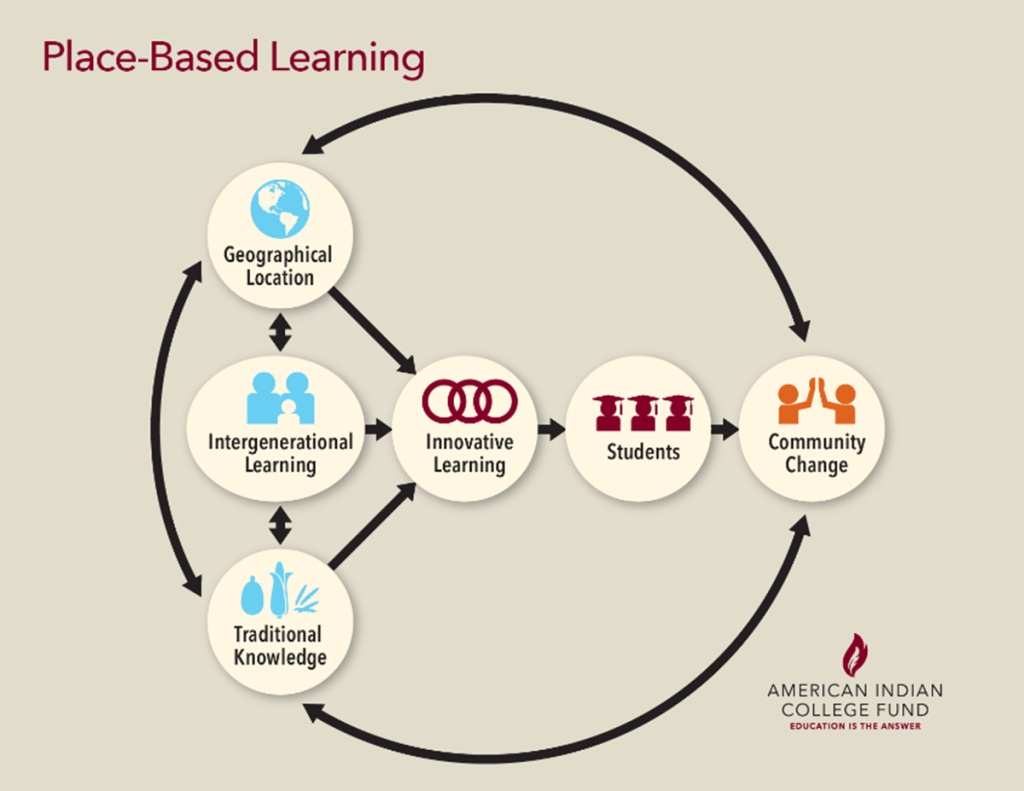
In recent years, there has been a growing interest in place-based education as an alternative approach to traditional schooling. Place-based education is a teaching and learning approach that emphasizes the connection between students and their local environment or community. It provides opportunities for students to learn about topics relevant to their immediate surroundings while also developing a sense of responsibility towards them.
What is Place-Based Education?
Place-based education involves creating meaningful and authentic learning experiences that are based on the local context of the community. This means that teachers use the natural, cultural, and historical resources in the surrounding area to teach concepts across different subjects.
For example, instead of just reading about environmental issues in textbooks, students might go outside to study water quality in a nearby river or investigate air pollution levels near highways. Similarly, history lessons can be taught by exploring the local landmarks and monuments and connecting past events with current realities.
The philosophy behind this approach is simple: By connecting learning experiences with real-world problems related to their own communities, students become more engaged in their studies because they can see how what they’re learning applies directly to their lives.
Benefits of Place-Based Education
Many educators believe that place-based education offers several benefits over traditional classroom instruction:
1. Engagement:
Students often find it easier to engage with material when it’s presented within familiar contexts such as those found in their communities. They may feel more connected with what they’re studying if it relates directly to their everyday lives.
2. Active Learning:
Place-based education encourages active participation from students since they are often required to apply hands-on skills such as observation, data collection & analysis etc., which help them develop critical thinking abilities beyond rote memorization techniques typically employed by traditional classroom settings.
3. Connection Building:
The collaborative nature of place-based education fosters positive relationships between schools and communities resulting in deeper connections between learners’ identities/interests and the locality they are studying. This helps students develop a sense of place, which is especially important for those who may feel disconnected from their surroundings.
4. Community Development:
Many advocates of place-based education believe that it can help build stronger communities by encouraging individuals to become more involved in the areas where they live. When students learn about local issues, they may be inspired to take action or work towards solutions along with their community members.
5. Environmental Awareness:
Place-based education often focuses on environmental issues, providing opportunities for students to learn about conservation efforts or sustainable practices within their community. This instills a sense of responsibility in learners as well as cultivates ecological literacy.
6. Multidisciplinary Learning:
Place-based learning allows teachers to integrate multiple academic disciplines such as science, social studies, language arts etc., into a single lesson plan rather than teaching subjects in isolation.
How Place-Based Education Works
Implementing a place-based education approach requires some planning and effort from educators willing to try this alternative method of instruction.
1) Identify Local Resources:
The first step is identifying what natural and cultural resources exist within your surrounding community that you can use as learning tools. For example, if you’re living near wetlands or parks then see how you can incorporate them into your lessons across various subjects like biology (flora & fauna), geography (water bodies), history (Indigenous people’s relationship with land).
2) Determine Objectives:
Once you have identified local resources and potential subject matter areas , determine clear objectives that align with state standards or curricular goals while also addressing the specific needs/interests within your class/student body .
3) Develop Lesson Plans:
With objectives identified comes the development of lesson plans that utilize these resources effectively so that learners gain hands-on experience while simultaneously reinforcing concepts taught earlier in class.
4) Assess Student Progress:
Assessment is an essential part of any educational program; whether it is traditional or alternative like place-based instruction. However, due to the nature of this method, assessments may differ from traditional methods and could include student-led projects, peer evaluations, reflective essays etc., which can help evaluate learning outcomes in a more holistic manner.
Examples of Place-Based Education
There are many examples of place-based education across the United States. Here are some notable ones:
1) The Teton Science Schools in Wyoming:
The Teton Science Schools have been using a place-based approach since their inception in 1967. They offer programs ranging from one-day field trips to week-long camps where students learn about ecology, conservation biology and natural history through hands-on exploration and research.
2) City as Our Campus Program (CAOC) in New York City:
The CAOC program is designed for high school students who want to explore different careers while also learning about the city’s cultural institutions – museums & galleries , local businesses , non-profit organizations etc., all within walking distance from each other .
3) The Rural School and Community Trust:
The Rural School and Community Trust works with rural schools across America offering technical assistance related to curriculum development using place-based approaches along with professional development opportunities for teachers.
4) The Center for Ecoliteracy:
Based out of California, The Center for Ecoliteracy provides resources & support that assist educators in designing curriculums centered around ecological literacy/awareness through innovative teaching practices including but not limited to garden-to-cafeteria initiatives or outdoor classroom design implementation.
Conclusion
Place-based education offers an alternative way of teaching that connects learners with their communities by making use of local resources and issues relevant to them. It fosters critical thinking skills while encouraging active participation among students who develop deeper connections with their surroundings leading to positive social change overall.
 Alternative Amie
Leave a comment