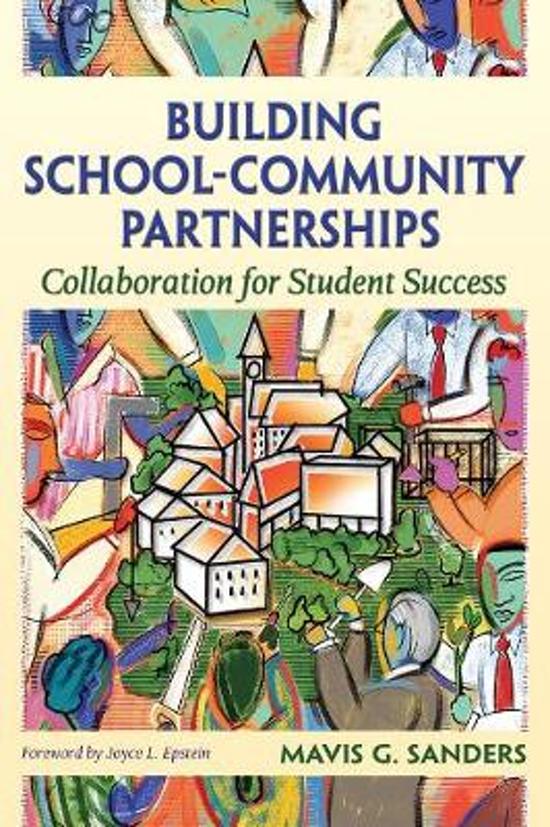
Community involvement and partnerships are crucial elements of alternative schooling and education. These relationships foster a collaborative environment where schools can work with local businesses, non-profits, government agencies, and community organizations to improve learning outcomes for students.
Alternative schools often face unique challenges that traditional public schools do not encounter. For instance, these schools may have limited resources or struggle with student engagement. By partnering with community entities, they can leverage shared expertise and resources to overcome these barriers.
One way that alternative schools can engage the community is through volunteerism. Volunteers from local businesses or non-profit organizations can serve as mentors or tutors for at-risk youth who need additional support outside of the classroom setting. Through this partnership, students receive individualized attention that helps them stay engaged in their academic pursuits and develop essential life skills.
Another way alternative schools can benefit from community involvement is by collaborating on projects that promote civic engagement. Schools could partner with local governments to develop service-learning programs where students learn about civics while making a positive impact on their communities. By engaging students in activities such as volunteering at food banks or cleaning up parks, they learn valuable lessons about social responsibility while developing leadership skills.
Businesses also play a vital role in supporting alternative education initiatives through financial contributions or sponsored events like job fairs or field trips. Such partnerships provide opportunities for students to explore career paths and make connections with professionals who might later become mentors or employers.
Moreover, community members can help inform school policies by serving on advisory boards or participating in focus groups. Their input helps ensure that programming aligns with the needs of the local workforce and reflects the values of the surrounding neighborhoods.
In turn, alternative education institutions offer value to their partners by providing access to untapped talent pools – many times people who would be overlooked otherwise within traditional hiring practices – creating mutually beneficial relationships between all parties involved.
The benefits of these collaborations extend beyond just improving academic performance but towards bolstering overall quality of life outcomes for students. Community involvement can help students develop a sense of belonging and purpose, which leads to better mental health and well-being.
Overall, partnerships between alternative schools and community entities are essential drivers of success in the realm of education. By working together as a team towards common goals, they create stronger communities while empowering young people to reach their full potential.
 Alternative Amie
Leave a comment