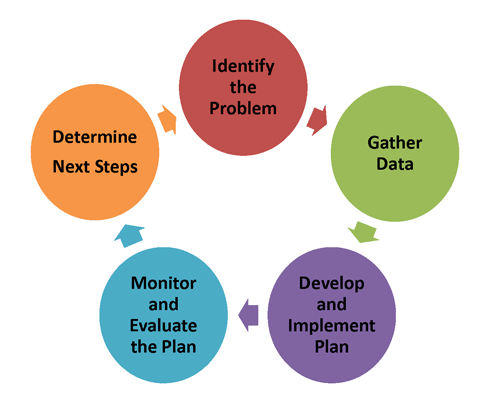
Collaborative Problem-Solving: Strategies for Alternative Schools
Alternative schools are known for their unique approach to education, which often includes a collaborative learning environment. Collaborative problem-solving is an essential aspect of this learning environment that helps students develop critical thinking skills and learn how to work with others effectively.
Here are some strategies alternative schools can use to promote collaborative problem-solving:
1. Encourage Active Listening
Active listening is crucial in any collaborative setting, especially when it comes to problem-solving. Students must be willing to listen carefully and respectfully to each other’s ideas before they can begin working together towards a solution. Teachers can facilitate active listening by asking students to repeat what their classmates have just said or by summarizing the main points of the discussion periodically.
2. Foster Mutual Respect
Respect is key when it comes to successful collaboration. Students need to feel valued and respected for their contributions if they’re going to engage fully in group work. Teachers should model respectful behavior themselves and encourage students who may not be as naturally inclined towards respectfulness.
3. Emphasize Teamwork Skills
Students need specific skills such as leadership, communication, negotiation, and conflict resolution if they’re going to succeed at collaborative problem-solving efforts within groups or teams. Teachers can help them develop these skills through activities like role-playing exercises where students must take on different roles (e.g., leader, mediator) during group discussions.
4. Provide Opportunities for Reflection
Reflection also plays an important role in promoting effective collaboration among students because it allows them time outside of class hours or team meetings where they can reflect on what went well or not so great during the previous session’s exercise or discussion topic.
5.Encourage Diversity of Thought
With every student having diverse strengths, backgrounds and experiences; encouraging diversity of thought will lead your classroom into creative solutions that no single person would have been able come up with alone.
In conclusion, Collaborative problem-solving offers many benefits for alternative schools, including encouraging teamwork skills and promoting mutual respect. Teachers can use the strategies mentioned above to foster an environment of active listening, reflection, diversity of thought, and more. By working together on complex issues or challenges, students learn how to work collaboratively and solve problems effectively – skills that will serve them well in future careers as well as in their personal lives.
 Alternative Amie
Leave a comment