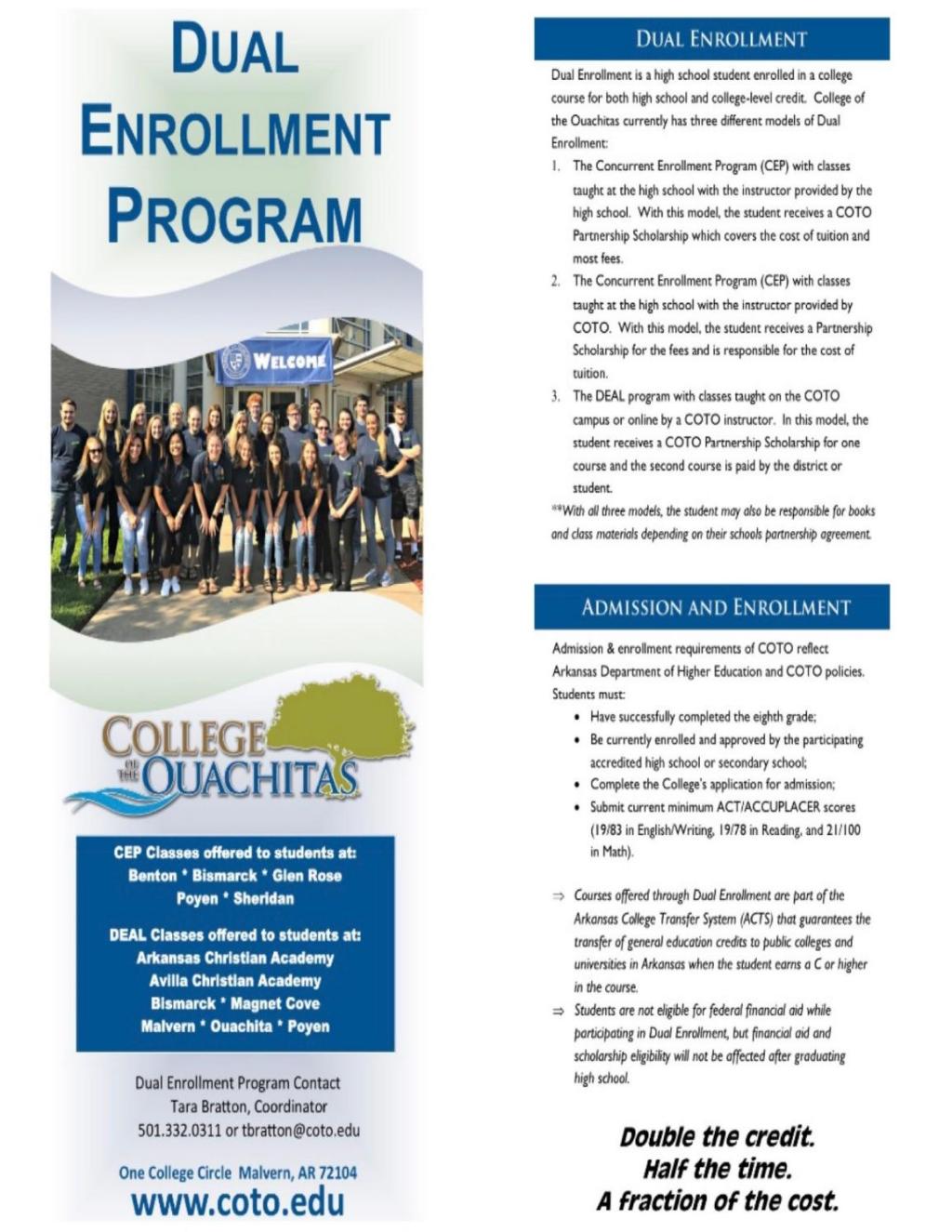
Dual enrollment is a program that allows high school students to take college-level courses and receive both high school and college credit. This program has become increasingly popular in recent years, as more students seek ways to accelerate their education and prepare for the demands of higher education. In this article, we will explore various aspects of dual enrollment programs.
One group that can greatly benefit from dual enrollment are homeschooled students. Dual enrollment offers them an opportunity to experience the rigor of college coursework while still having the support of their homeschool environment. It also provides them with access to resources like libraries and laboratories that they may not have at home.
Non-traditional learners, such as adult learners or those who did not complete high school on time, also benefit greatly from dual enrollment programs. These individuals often face unique challenges when it comes to accessing higher education, but dual enrollment provides a pathway for them to earn college credits without first obtaining a high school diploma.
Research has shown that participation in dual enrollment programs can improve college readiness by exposing high schoolers to rigorous coursework and expectations early on. Additionally, students who participate in these programs typically have higher rates of graduation from both high school and college than those who do not.
Dual enrollment can also be a valuable tool for career exploration and workforce development. By taking courses related to specific fields of interest, students can gain insight into potential careers or industries before committing entirely.
Cost-effectiveness is another factor that makes dual enrollment attractive; participating in these programs can save families thousands of dollars in tuition costs down the line. Additionally, many community colleges offer reduced tuition rates for dual-enrollment students.
However, despite its many benefits, there are some drawbacks associated with online dual-enrollment courses specifically which may be less engaging than traditional classroom settings resulting in lower motivation levels among participants – although this issue is largely dependent on individual student preferences.
Furthermore underrepresented student populations may require different approaches tailored towards their needs such as improving outreach efforts or offering additional support programs to ensure their success.
In conclusion, dual enrollment programs can be a valuable resource for high school students seeking to accelerate their education and prepare for the demands of higher education. However, it is important that schools and colleges take steps to ensure that these programs are accessible and effective for all students regardless of background or circumstances. This includes providing necessary resources, creating supportive environments, and tailoring approaches to meet individual needs.
 Alternative Amie
Leave a comment