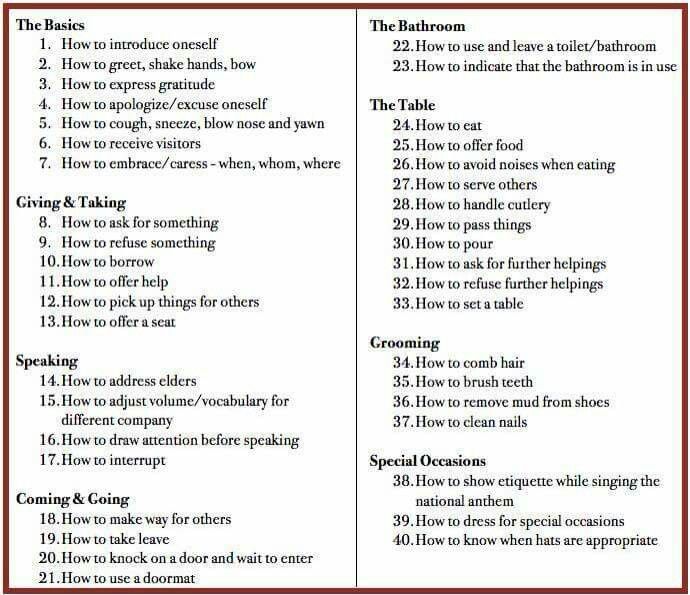
Grace and courtesy are essential life skills that can help children develop positive relationships with their peers, teachers, and community. These lessons teach children how to interact respectfully, communicate effectively, and show empathy towards others.
Grace and courtesy lessons have been a fundamental part of the Montessori philosophy since its inception. Dr. Maria Montessori believed in educating the whole child – mind, body, and spirit. She recognized that social skills were just as important as academic skills in preparing children for life.
Montessori schools incorporate grace and courtesy lessons into their curriculum starting at the toddler level. Children learn basic manners such as saying “please” and “thank you,” greeting others appropriately, waiting patiently for their turn, using kind words when speaking to others, showing respect towards adults and peers.
As children progress through elementary school age groups, they begin to learn more advanced social skills such as conflict resolution strategies. They learn how to express themselves clearly but respectfully when they disagree with someone else’s point of view or actions.
Grace and Courtesy Lessons Outside Montessori
While grace and courtesy lessons have traditionally been associated with Montessori education programs; other alternative schooling options also recognize the importance of these concepts.
Alternative schools like Waldorf education emphasize an experiential approach to learning where students engage in practical activities such as gardening or woodworking which require cooperation amongst themselfes. In this sense working together on projects encourages communication between students resulting in fewer conflicts.
Similarly Sudbury Valley School (SVS) believes in creating a democratic environment where all members of the community are equal participants in decision-making processes while being respectful about each other’s opinions regardless of age difference or authority status within the organization structure itself.
Benefits Of Grace And Courtesy Lessons
The benefits of teaching children grace adn courtesyskills go beyond just polite behavior; it helps them build strong interpersonal relationship qualities that are integral throughout there lives:
1- Improved Communication Skills: By learning how to communicate effectively and respectfully children can express themselves in a clear, concise manner. This skill is essential for building positive relationships with peers, teachers, and family members.
2- Conflict Resolution: Children who learn conflict resolution strategies have the tools they need to resolve conflicts without resorting to anger or violence. They are better equipped to manage their emotions and work towards finding a solution that works for everyone involved.
3- Empathy Development: Grace and courtesy lessons teach children how to put themselves in someone else’s shoes. By understanding another person’s perspective, children develop empathy skills which help them relate better with others throughout their lives.
4- Self-Control: Learning grace and courtesy requires self-control. Children must be able to control their impulses when interacting with others. This ability translates into other areas of their lives such as academics and athletics where focus is required.
5- Teamwork Skills: The ability to work well with others is an essential life skill that will benefit children throughout there lives regardless of what occupation they choose later on in life.
Conclusion
Grace and Courtesy lessons are fundamental skills that should be taught from an early age across all schooling systems; these concepts instill lifelong values such as mutual respect, compassion, effective communication, cooperation while equipping students with essential life skills like conflict resolution & decision-making abilities necessary during adulthood challenges both professionally as well as personally.
 Alternative Amie
Leave a comment