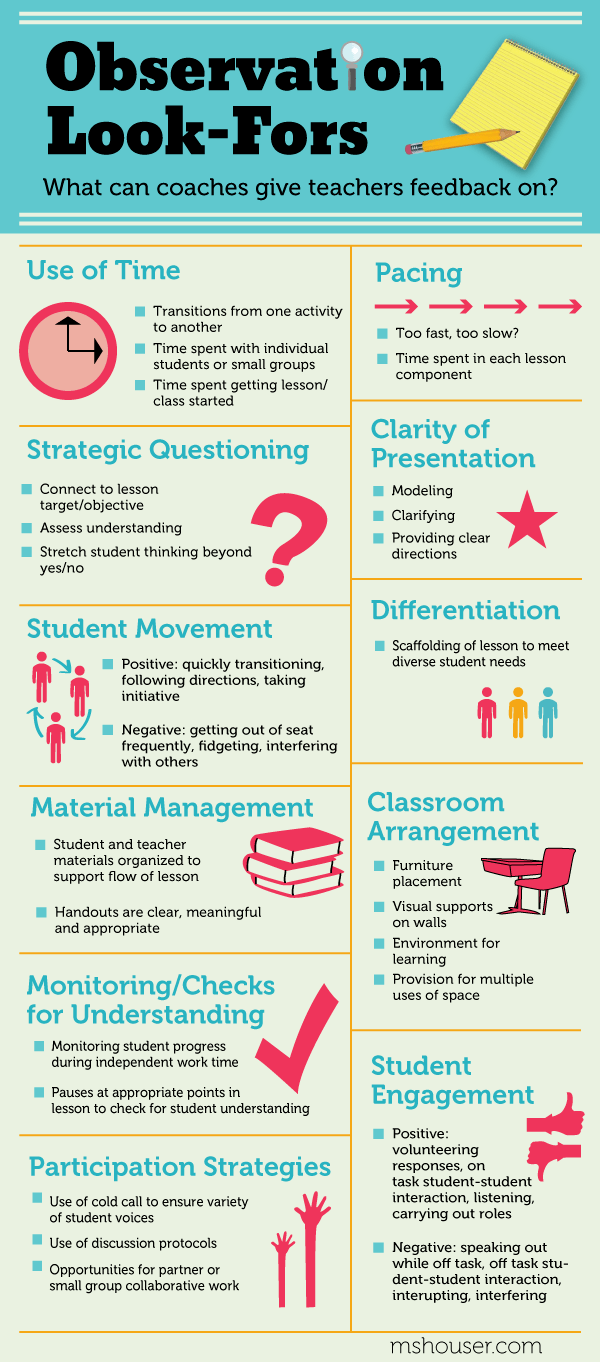
As a teacher, feedback is an integral part of your job. It helps you gauge how well your lessons are going and how engaged your students are. But more importantly, it can help you improve as a teacher and create a better learning environment for your students. In this post, we’ll answer some common questions about teacher feedback.
1. What is teacher feedback?
Teacher feedback is the information that teachers receive from their students or colleagues regarding their performance in the classroom. It can be formal or informal, verbal or written.
2. Why is teacher feedback important?
Feedback provides teachers with valuable insights into what they’re doing well and what needs improvement in their teaching practice. This can help them adjust their teaching style to better meet the needs of their students.
3. Who can give teacher feedback?
Students are the primary source of feedback for teachers, but colleagues and administrators can also provide useful input.
4. How often should teachers seek out feedback?
Teachers should seek out feedback on a regular basis to ensure they’re providing quality education to their students.
5. How should teachers ask for feedback?
Teachers can ask for student feedback through surveys, questionnaires or even informal discussions in class.
6. What kind of questions should be included in student surveys?
Questions should focus on what’s working well in the classroom and where improvements could be made to enhance learning outcomes.
7.What do you do if you receive negative criticism from students?
It’s important not to take negative criticism personally but rather use it as an opportunity to learn and grow as an educator
8.How does positive reinforcement play into giving effective Teacher Feedback?
Positive reinforcement motivates educators by acknowledging good work done while correcting mistakes made during instruction time
9.What strategies are there when giving Teacher Feedback?
Strategies like providing constructive criticism instead of just pointing out flaws; complimenting areas where work has been done right; using specific examples of what was observed during teaching sessions instead of generalizations.
10.Is there a need for teachers to give feedback to their students as well?
Yes, giving feedback to students can help them understand what they’re doing well and where improvements could be made in their own learning process.
11.What are some effective ways of providing student feedback?
Effective ways of providing student feedback include using rubrics or checklists that clearly outline expectations for assignments and projects, providing written comments on assignments, or having one-on-one discussions with students about their progress.
12.How should teachers use the feedback they receive?
Teachers should use the feedback they receive from their students to adjust their teaching strategies and enhance student learning outcomes. They can also share this information with colleagues or administrators to collaborate on improving education practices overall.
In conclusion, teacher feedback is an essential part of any successful classroom. It provides valuable insights into what’s working well and where improvements could be made in teaching practice. By seeking out regular feedback from students and colleagues alike, teachers can improve themselves as educators while also creating a better learning environment for their pupils.
 Alternative Amie
Leave a comment