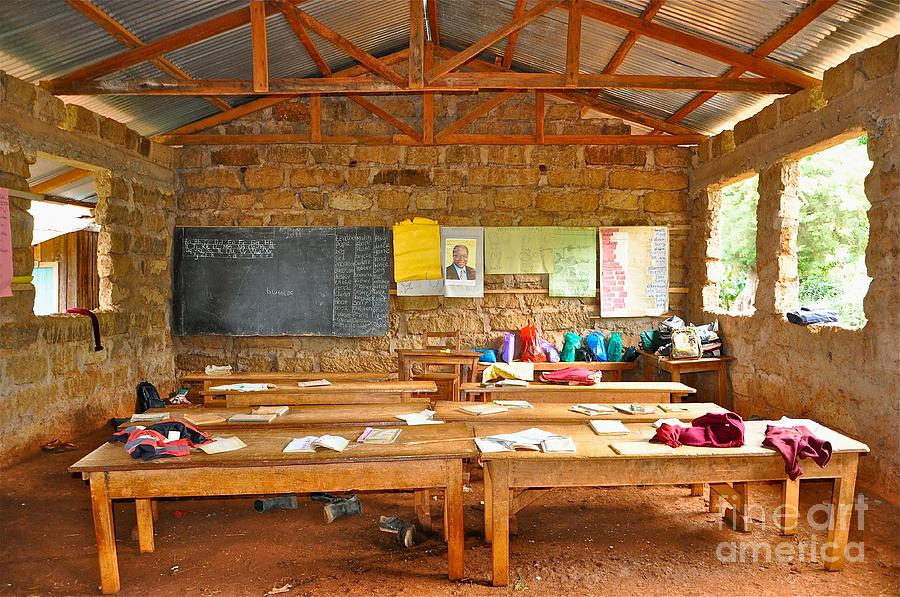
Rural Multi-Age Classrooms: A Look into their Effectiveness
In recent years, there has been an increase in the popularity of alternative schooling methods and one such method that has gained attention is the use of multi-age classrooms. Multi-age classrooms are defined as a grouping of students from different grade levels within a single classroom, allowing for increased collaboration and peer-to-peer learning. This approach has been used in both urban and rural areas, but this post will focus on the effectiveness of multi-age classrooms specifically in rural schools.
Rural schools have long faced challenges such as declining enrollment rates, limited resources, and difficulty attracting quality teachers. In many cases, these issues have led to larger class sizes with mixed-grade levels being combined together. However, some educators argue that this can lead to more personalized learning experiences for students.
One study conducted by researchers at Texas A&M University found that rural multi-age classrooms had positive effects on student achievement compared to traditional single-grade classes. The study also found that students in multi-age classrooms demonstrated better social skills and higher self-esteem than those in traditional classes.
One potential explanation for these findings is the increased opportunities for peer teaching and mentoring that are available with multi-age classrooms. Older students can act as role models and tutors to younger classmates while simultaneously reinforcing their own understanding of key concepts. Additionally, younger children may feel more comfortable seeking help from peers rather than adult teachers.
Another advantage of using multi-age classrooms specifically in rural areas is their ability to address concerns related to teacher shortages or burnout. With fewer overall teachers available in remote areas, combining grades allows teachers to take on smaller class sizes while still ensuring all subjects are covered effectively.
However, it’s important to note that not all studies have shown positive results when it comes to using multi-age classrooms in rural environments. Some research suggests that mixed-grade level classes may create difficulties for teachers who must balance meeting each individual student’s needs while covering required curriculum.
Additionally, some parents may have concerns about their child’s placement in a multi-age classroom. The perception that a student is “held back” or not meeting standards can be an issue for families who value academic achievement above all else.
Despite these concerns, proponents of multi-age classrooms argue that this approach could help create more equitable and inclusive learning environments. By allowing students of varying abilities and backgrounds to learn together, teachers can better address individual needs while also promoting diversity and understanding among classmates.
In conclusion, multi-age classrooms have the potential to offer unique benefits for rural schools struggling with limited resources and declining enrollment rates. While further research is needed to fully understand the effectiveness of this approach, early evidence suggests that it could lead to improved student achievement and social-emotional development compared to traditional single-grade classes. As alternative schooling methods continue to gain popularity nationwide, it will be interesting to see how rural schools adapt and innovate in response to changing educational trends.
 Alternative Amie
Leave a comment