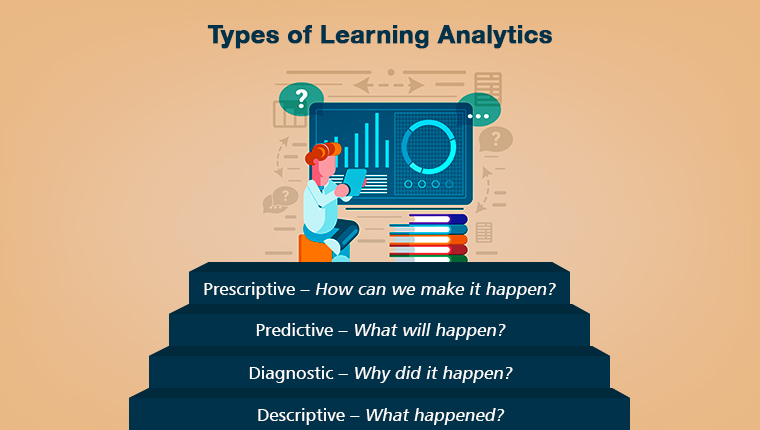
Q: What are learning analytics and data mining, and how do they impact education?
A: Learning analytics is the process of gathering, analyzing, and interpreting educational data to optimize student learning outcomes. Data mining refers to the extraction of meaningful patterns from large datasets.
The use of learning analytics and data mining has become increasingly popular in education as technology continues to advance. With these tools, educators can gain insights into student progress, identify areas for improvement, and make informed decisions about teaching methods.
There are several ways that learning analytics and data mining impact education:
1. Personalized Learning – By analyzing individual student performance data, educators can tailor their instruction to meet each student’s unique needs. This allows for a more personalized approach to learning that takes into account each student’s strengths and weaknesses.
2. Predictive Analytics – By using historical performance data from past students, predictive models can be developed to forecast future performance trends by students currently enrolled in classes. These models enable early intervention strategies for at-risk students before they fall too far behind.
3. Resource Allocation – Through analysis of course enrollment trends, schools can strategically allocate resources such as teachers or classroom supplies based on which classes need them most.
4. Curriculum Development – Educators can identify what works best for different types of learners based on analysis of academic results across various courses offered by an institution over time
Learning analytics also help at identifying gaps in curriculum or areas where there may be discrepancies between what is taught versus what is tested so that teachers may adjust their instruction accordingly.
However, it’s important to note that while learning analytics offers many benefits when used appropriately (with adequate privacy measures), there are concerns about its potential misuse (such as tracking behaviors beyond academia). Therefore it’s crucial for institutions implementing this toolset must ensure proper protocols exist around ethical usage guidelines with transparency communicated clearly among all stakeholders involved including parents/guardians if appropriate). Overall though utilizing big-data approaches within education provides a tremendous opportunity to improve learning outcomes for students.
 Alternative Amie
Leave a comment