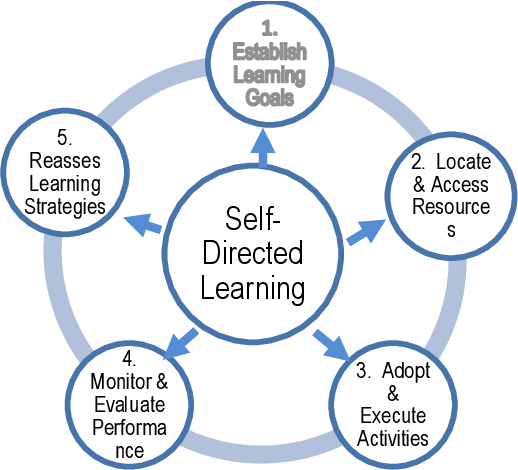
Panel Discussion: Self-Directed Learning
Self-directed learning has gained popularity over the years as an effective approach to education. It is a process where learners take control of their own learning, choosing what they want to learn, setting goals, and determining how they will achieve those goals. In this panel discussion, we will explore self-directed learning and its benefits in alternative schooling and education.
Panelist 1: Why is self-directed learning important?
Self-directed learning gives learners the power to choose what they want to learn based on their interests and needs. This approach allows them to engage with the subject matter more deeply, leading to better understanding and retention of information. Additionally, self-direction promotes critical thinking skills since learners are encouraged to make decisions about their education.
Panelist 2: What are some common misconceptions about self-directed learning?
One misconception about self-directed learning is that it means students work alone without any guidance or support from teachers or mentors. However, this is not the case. Teachers still play a crucial role in facilitating student-led learning by providing resources and guidance when needed.
Another misconception is that only highly motivated students can succeed in a self-directed environment. While motivation certainly helps, it’s not a prerequisite for success in self-directed learning. Instead of relying solely on motivation, students can cultivate discipline through goal-setting techniques such as breaking down tasks into manageable steps.
Panelist 3: How does self-directed learning benefit alternative schooling environments?
Alternative schools often have unique approaches to education that prioritize student empowerment and individualized instruction; hence implementing a self-directing approach complements these approaches perfectly because it encourages autonomy among students while also fostering collaboration between students and educators.
In addition to promoting independence among students enrolled in alternative schools (who may be struggling academically or socially), Self-Directed Learning enables them to explore areas outside traditional curricula that cater more directly toward their long-term career aspirations.
Panelist 4: How can parents and educators support self-directed learning?
Parents and educators can create an environment that supports self-directed learning by providing resources, guidance, and mentorship for students to explore their interests. This includes access to materials such as books, videos, or equipment relevant to their chosen subject matter.
In addition, parents and teachers must be open-minded about the student’s preferred approach and remain available for advice or assistance when needed. They need to trust the process of Self-Directed Learning while also offering constructive feedback in case students get stuck on a particular topic.
In conclusion, Self-Directed Learning offers an effective way for learners to take control of their education. By allowing them to choose what they want to learn based on their interests and needs, it promotes deeper engagement with the material leading to greater retention and understanding. It also enhances critical thinking skills since learners are encouraged to make decisions about their education. In alternative schools where individualized instruction is paramount, implementing a self-directed approach complements these approaches perfectly because it encourages autonomy among students while fostering collaboration between students and educators.
 Alternative Amie
Leave a comment