Place-Based Education: A Holistic Approach to Learning
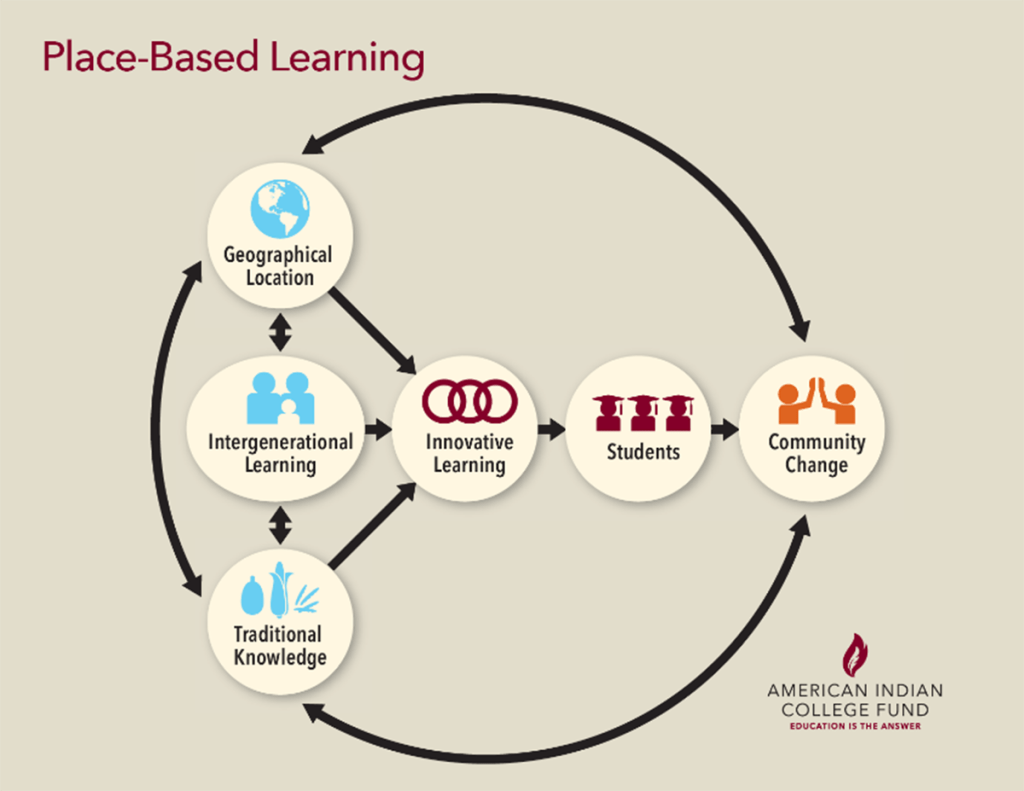
Education has evolved over the years, from traditional classroom-based learning to more modern and innovative methods. One of these novel approaches is place-based education, which emphasizes learning through direct experience within a local environment or community. Place-based education encourages students to engage with their surroundings and develop a deeper understanding of their culture, history, ecology, and economy. This approach can be applied in various settings such as public schools, alternative schools, nature centers, museums, parks and other outdoor spaces.
Place-based education seeks to bridge the gap between academic knowledge and practical skills by incorporating hands-on experiences that are grounded in real-world situations. Students learn by doing instead of just reading from textbooks or listening to lectures. They are exposed to diverse perspectives and ideas that challenge them intellectually while also providing opportunities for personal growth.
One of the primary goals of place-based education is to foster a sense of belonging among students within their local communities. By connecting with their environment on a deeper level, students can develop an appreciation for the natural world around them as well as an understanding of how they fit into it. This sense of connection inspires them to become active participants in making positive changes within their communities.
Another significant advantage of place-based education is its ability to promote interdisciplinary learning across different subject areas. By exploring themes such as sustainability or social justice through multiple lenses like science or history classes – learners get a holistic view that connects them with various subjects on offer through this approach rather than being limited by what’s taught only in one class or subject area.
This interdisciplinary approach also allows educators to cater better towards individual student needs since every learner has different strengths and weaknesses when it comes down educational preferences; some may prefer working independently while others might thrive when working collaboratively with peers which is why this method proves effective for all types.
Furthermore, place-based learning provides ample opportunities for personalized assessment strategies that go beyond standardized testing results. Educators can assess students’ progress through observation, reflection, and self-evaluation. This form of assessment provides a more accurate picture of a student’s growth and development over time.
Place-based education also promotes collaboration between schools and their surrounding communities. By working together, they can identify relevant issues that affect their local environment or community, develop solutions to address these issues, and implement them in real-time. This partnership is beneficial for both the school and its host community as it fosters mutual respect while addressing pertinent concerns.
In conclusion, place-based education provides an innovative approach to learning by emphasizing direct experience within the local environment or community. It encourages interdisciplinary learning across subject areas while fostering a sense of belonging among students within their communities. Its personalized assessment strategies provide accurate measures of student growth and development over time. Place-based education also promotes collaboration between schools and their surrounding communities to address pertinent issues together.
If you’re looking for an alternative way to educate your children or yourself with practical skills that will prepare you for the future – consider exploring this unique educational philosophy!
 Alternative Amie
Leave a comment