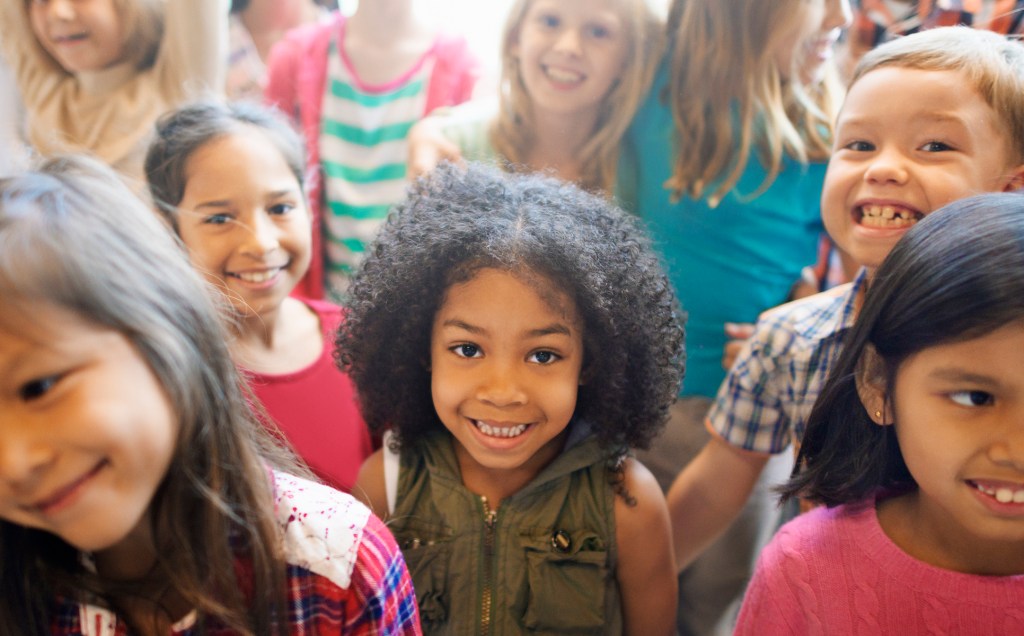
Diversity and inclusion have become hot topics in the world of education, as schools and educators work to create safe spaces for students from diverse backgrounds. With an increasingly diverse student population, it is essential that schools take a proactive approach to address issues related to diversity and inclusion.
One way that schools can promote diversity and inclusion is by providing equal access to educational opportunities. This includes ensuring that all students have access to the same resources, regardless of their race, ethnicity, gender identity or socioeconomic status. Schools can also implement programs and initiatives aimed at promoting cultural awareness and understanding among students.
Another key aspect of promoting diversity and inclusion in schools is creating a supportive learning environment. This means taking steps to prevent bullying, harassment or discrimination based on factors such as race or gender identity. It also involves creating an inclusive curriculum that reflects the experiences of all students.
Research has shown that students benefit greatly when they are exposed to diverse perspectives in the classroom. When different viewpoints are represented, it helps students develop critical thinking skills while also fostering empathy towards others. In addition, exposure to diversity has been linked with higher academic achievement and improved social-emotional development.
Despite these benefits, many school systems continue to struggle with issues related to diversity and inclusion. One factor contributing to this problem is implicit bias – unconscious attitudes or stereotypes that influence how individuals perceive others who are different from themselves. Implicit bias can manifest itself in various ways within educational settings – for example, teachers may assume certain things about a student’s ability level based on their race or ethnicity.
To combat implicit bias in education settings, some schools have implemented training programs designed to raise awareness about unconscious biases among faculty members. These trainings typically involve activities such as self-reflection exercises and interactive discussions focused on identifying common stereotypes.
Ultimately, creating more inclusive learning environments requires ongoing effort from everyone involved – including administrators, teachers, parents/guardians as well as individual students themselves.
By embracing diversity through targeted initiatives and cultural awareness, schools can create a more inclusive learning environment that benefits all students.
 Alternative Amie
Leave a comment