Panel Discussion: Understanding Credit Scores
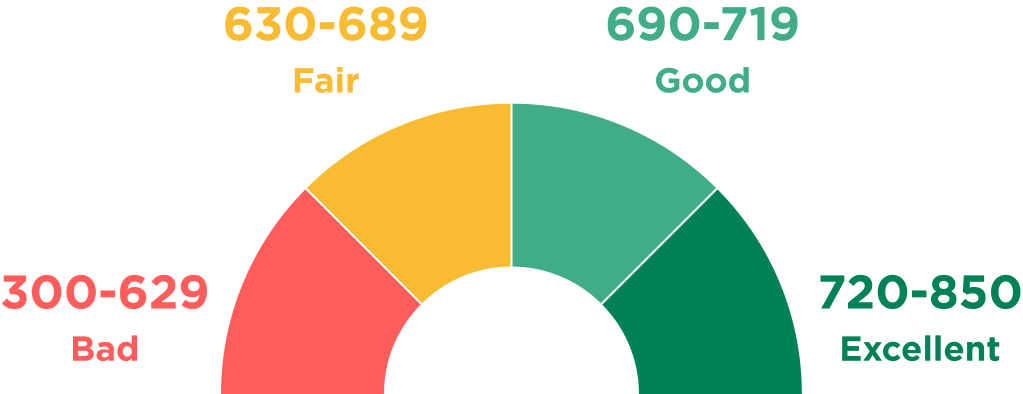
Credit scores are an essential part of our financial lives. Whether you’re looking to buy a house, rent an apartment, or get a loan, your credit score is used by lenders and landlords to evaluate your creditworthiness. In this panel discussion, we’ll explore the ins and outs of credit scores so that you can better understand what they are, how they work, and how to improve them.
Our panelists today include:
– John Smith: Financial Advisor
– Jane Doe: Credit Counselor
– Mike Brown: Loan Officer
Moderator: Thank you all for joining us today. Let’s start with the basics. John, could you explain what a credit score is?
John Smith: Sure thing. A credit score is a three-digit number that represents your creditworthiness based on your past borrowing behavior. It’s calculated based on information from your credit reports, which include data such as payment history, outstanding debt balances, length of credit history, types of accounts open and recent inquiries.
Moderator: How important is having good credit?
Mike Brown: Having good credit is crucial if you want to qualify for loans with favorable terms and low interest rates. It can also affect everything from renting an apartment to getting a job offer.
Jane Doe: Yes! And it’s important to note that even if someone has no plans for taking out any loans or opening up new lines of credits in the near future then still maintaining good financial habits will help build strong foundations in case those needs arise unexpectedly – like maybe needing emergency funds.
Moderator: What factors go into calculating a person’s FICO score?
John Smith : FICO® Scores use five categories , namely Payment History (35%), Amounts owed (30%), Length of Credit History (15%), Types Of Credit Used(10%) & Recent applications/new accounts(10%)
Payment history includes things like whether payments are made on time, if payments are missed and how many days the payment is overdue.
Amounts owed takes into account credit utilization which is the amount of debt a person has compared to their available credit. If someone has maxed out all their credits cards or have high balances on multiple accounts, that may negatively impact their score.
Length of credit history considers how long you’ve had your accounts open and active. The longer someone’s accounts have been open, the better as it shows they have more experience handling borrowing and repayment over time,
Types of Credit Used looks at whether a person has different types of loans such as auto loans, student loans or mortgages in addition to revolving credit like credit card debts.
Recent applications/new accounts indicates recent inquiries into someone’s report which can negatively affect one’s score; but not always so be careful in opening too many new accounts quickly.
Moderator: What are some common misconceptions about credit scores?
Jane Doe: One common misconception is that income affects your score. Your income is not part of your credit report nor does it factor into calculating your score.
Mike Brown: Another issue people often mix up with their FICO scores is confusing them with other scoring systems -like VantageScore for instance- this could lead to confusion when comparing data from different reports since each system uses its own algorithms and rating scales
John Smith : Also keep in mind that checking one’s own score won’t lower it – this was a common myth years ago but now monitoring services let individuals check on themselves without harm being done to the final number.
Moderator: How can someone improve their credit score?
Mike Brown : One way would be to pay down high outstanding balances on revolving accounts such as those associated with consumer loaning (credit cards) making sure they don’t max out any single line while maintaining low overall usage ratios across all borrowed lines
Jane Doe : Yes! Another tip would be paying bills consistently & avoiding late payments which could also negatively impact your credit score.
John Smith : And if someone has had a few blips in their history, then making sure to rectify any late payments or missed bills as soon as possible can help improve over time. Remember that it takes time and effort to build strong credit habits but the rewards are worth it!
Moderator: Any final thoughts?
Jane Doe : It’s vital to keep track of one’s credit reports regularly and fix any errors if they arise because an issue like identity theft could lead to false negative marks on one’s report- so better safe than sorry!
Mike Brown: Yes! Also, remember that while good scores can help you get better rates on loans and other financial products, there is no such thing as a perfect score. Anyone who claims they can guarantee a particular score is probably running scams.
John Smith : Ultimately, maintaining healthy credit habits will pay off in the long run; bettering chances for financial success by ensuring access to various borrowing options when needed with favorable terms & conditions.
Moderator: Thank you all for sharing your valuable insights today. This concludes our panel discussion on understanding credit scores.
 Alternative Amie
Leave a comment