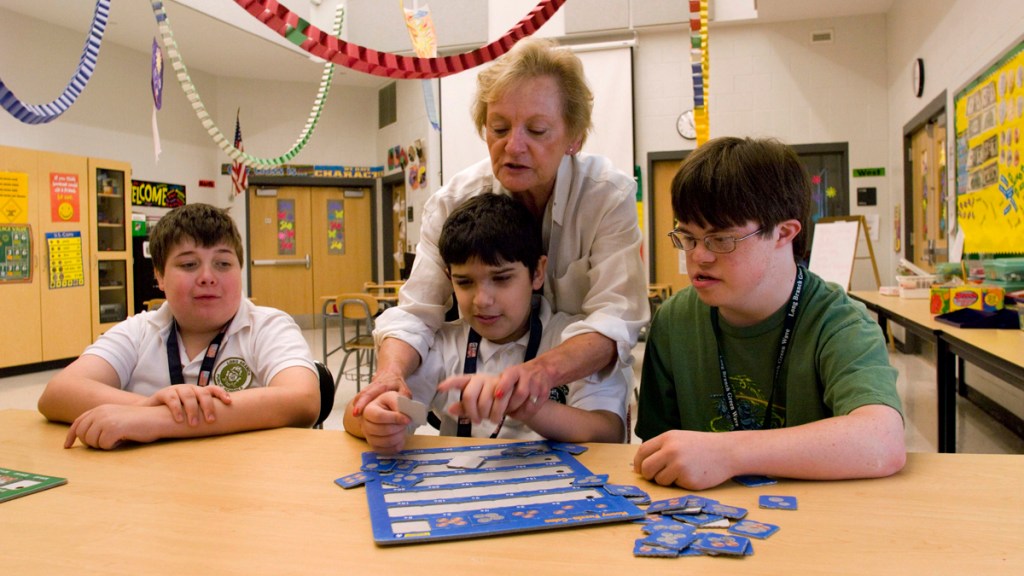
Special Needs Education in Alternative Settings
As a writer and journalist with several years of experience in the field, I have had the opportunity to observe and document alternative schooling and education systems. Among these, special needs education stands out as an area that requires significant attention.
Special needs education refers to the provision of tailored educational support services for students with disabilities or learning difficulties. While traditional schools often struggle to cater to the diverse needs of such students, alternative settings provide a unique platform for them to receive quality education without feeling isolated or stigmatized.
Alternative settings encompass different types of schools, including charter schools, magnet schools, online programs, homeschooling networks, and specialized institutions such as Montessori schools. These schools offer various teaching models that accommodate different learning styles and abilities while emphasizing flexibility and individualization.
One major advantage of alternative settings is their ability to provide individualized instruction that caters to each student’s specific strengths and weaknesses. Educators use personalized strategies like multisensory teaching techniques, peer mentoring programs, assistive technology tools (such as speech-to-text software), among others. This approach ensures that no student falls behind due to their disability or learning differences.
Another benefit is the sense of community fostered within these environments. Students can form close bonds with peers facing similar challenges and develop self-confidence through mutual support. Additionally, parents can also meet other families who share similar experiences since many alternative settings encourage parental involvement in school activities.
Homeschooling networks are another option for parents seeking more control over their child’s education while still providing necessary support services. Homeschooling offers tremendous flexibility because parents can tailor curricula according to their children’s specific interests while accommodating any special needs they may have.
Magnet Schools are public institutions serving students from different communities but offering specialized courses such as STEM-focused classes or performing arts programs alongside standard curricula; these options may be ideal for those looking for inclusive educational opportunities not readily available at traditional schools.
Charter schools focus on providing an alternative to public education for students in specific geographic areas. They offer greater flexibility in their curriculum and teaching methods than traditional public schools, making them an excellent option for special needs students who may require more specialized instruction.
Montessori schools are another popular alternative setting that emphasizes hands-on learning and self-directed discovery. Their emphasis on individualized attention makes them a great choice for children with unique learning styles or disabilities.
Online programs have also become increasingly popular, especially during the pandemic when many students struggled to access traditional classroom settings. These online programs provide flexibility and accessibility while still offering tailored support services such as speech therapy or counseling sessions.
While these alternative settings offer significant advantages over traditional schooling, they are not without challenges. One major issue is the cost associated with some of these options; private institutions like Montessori schools can be expensive, while homeschooling requires a considerable investment of time and resources from parents.
Another challenge is finding qualified professionals to work in special education fields. Special needs teachers often require additional training beyond what is typically offered at colleges or universities, which can make it challenging to find individuals with the necessary skills and experience.
Despite these difficulties, I firmly believe that alternative settings remain among the best options for those seeking quality education for their children with special needs. Alternative schools prioritize inclusion, diversity, individualization of instruction strategies alongside personalized curricula tailored to each student’s strengths and weaknesses.
In conclusion, as we continue our journey towards more accessible educational opportunities for all learners irrespective of abilities or disabilities; we must acknowledge the critical role played by various alternative settings across America today – from magnet schools serving diverse communities within urban centers to specialized charter institutions catering specifically towards children living outside metropolitan regions such as rural areas – there’s never been a better time than now if you’re looking into alternatives beyond traditional educational systems!
 Alternative Amie
Leave a comment