Tag: transition planning
-
Empowering Students with Disabilities: Key Aspects of Special Education Transition Planning

Transition planning is a critical aspect of special education that focuses on preparing students with disabilities to transition from school to post-school activities, such as higher education, employment, and independent living. This process begins when the student turns 16 (or younger if determined appropriate by the IEP team) and involves developing individualized goals and services…
-
Empowering Students: The Key to Successful Transition Planning

Transition planning is a crucial aspect of education for students with unique needs, such as those in alternative schooling settings. This process involves creating a roadmap to help students smoothly navigate the transition from school to post-school life, whether that be further education, employment, or independent living. One key component of transition planning is identifying…
-
Empowering Diversity: The Vital Role of Assistive Technology in IEPs

Assistive technology plays a crucial role in Individualized Education Programs (IEPs) for students with diverse learning needs. By incorporating assistive technology into IEPs, educators can provide personalized support to help students access the curriculum and participate more fully in educational activities. Assistive technology can include devices such as tablets, speech-to-text software, communication boards, and sensory…
-
Navigating the Essentials of Special Education: Building Effective IEPs for Every Student

Transition planning is a crucial aspect of the Individualized Education Program (IEP) process for students with disabilities. It involves preparing students for life after high school, whether that be further education, employment, or independent living. Assistive technology plays a significant role in supporting students with disabilities in their academic and daily living tasks. It can…
-
Empowering Education: Personalized Learning for Student Success
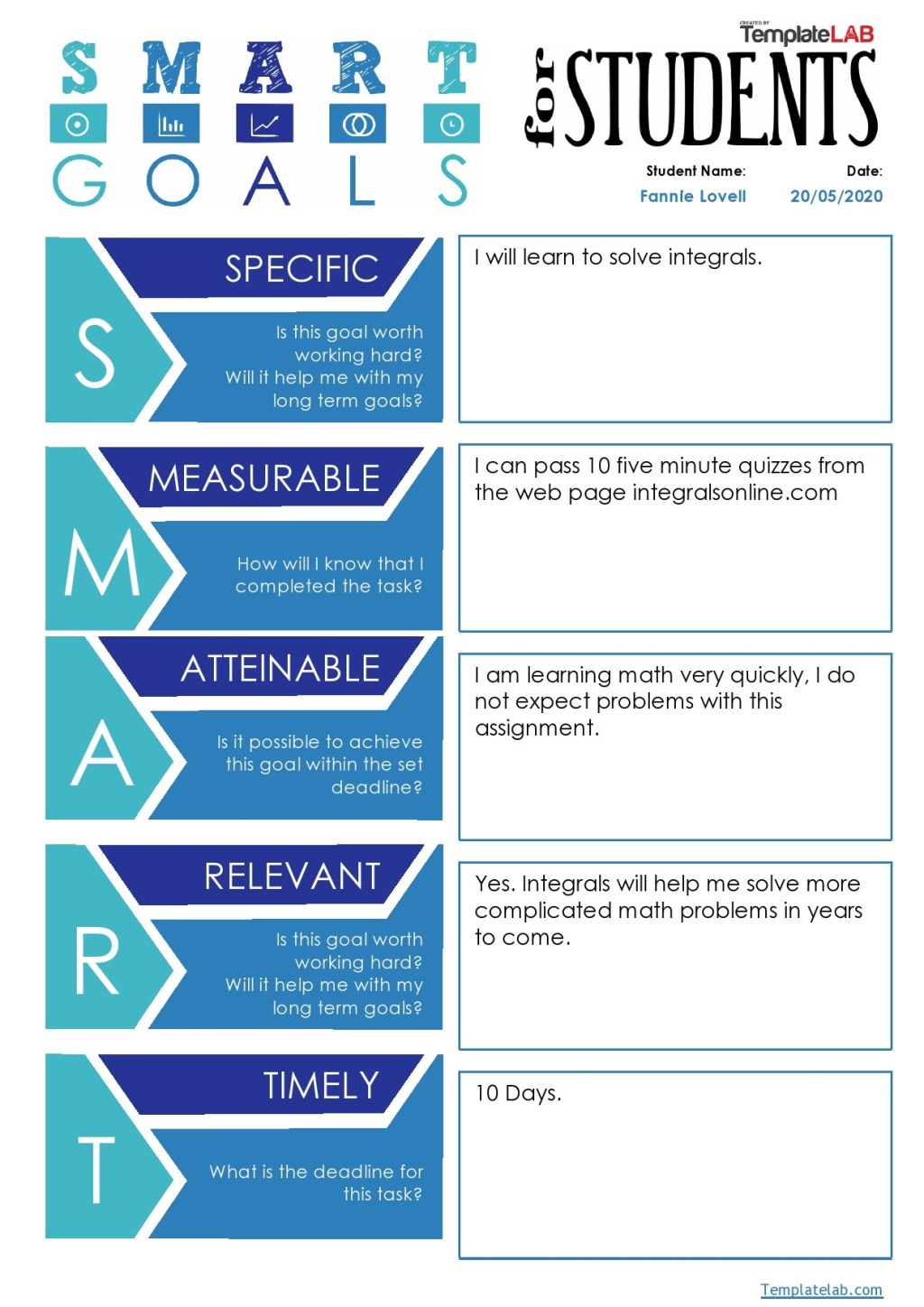
Personalized learning goals are a crucial component of effective education, allowing students to tailor their academic journey to their individual needs and interests. By setting personalized goals, students can take ownership of their learning and track their progress more effectively. This approach ensures that each student receives the support they need to succeed academically and…
-
Empowering Diverse Learners: Crafting Culturally Responsive and Trauma-Informed IEPs for Alternative Education Settings

In the world of special education, Individualized Education Programs (IEPs) play a crucial role in supporting students with diverse learning needs. When developing IEPs for students in alternative education settings, it is essential to adopt culturally responsive practices that honor and respect the unique backgrounds and experiences of each student. Culturally responsive IEPs take into…
-
Creating a Path to Success: Key Aspects of Alternative Education for All Students

When it comes to alternative schooling and education, there are various aspects that need to be considered in order to provide a comprehensive and inclusive learning environment for all students. From accommodations and modifications to post-secondary planning, each component plays a crucial role in ensuring the success of students who may require additional support or…
-
Empowering Success: Alternative Schooling for Individuals with Intellectual Disabilities
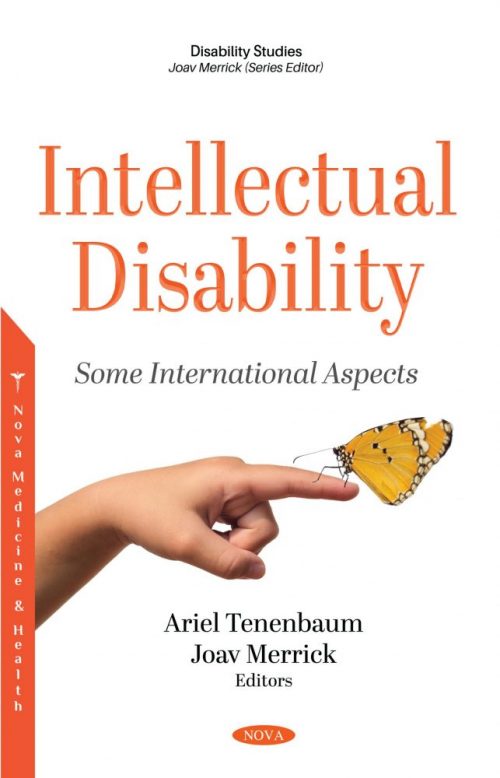
Intellectual Disability is a developmental disorder that affects an individual’s cognitive abilities and adaptive functioning. It is characterized by limitations in intellectual functioning and difficulties in everyday activities such as communication, social skills, and independent living. People with intellectual disabilities may learn at a slower pace than their peers and may require additional support to…
-
Navigating the Path to Success: Transition Planning for Students with IEPs
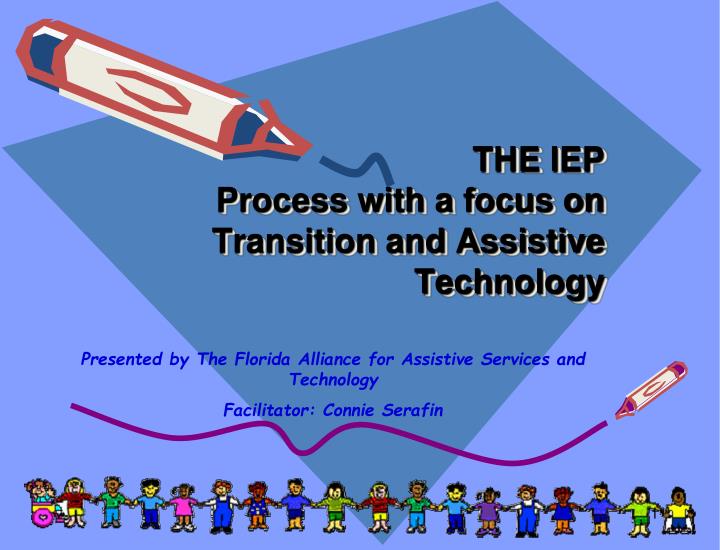
Transition Planning for Students with IEPs Transition planning is a crucial aspect of the Individualized Education Program (IEP) process for students with disabilities. It involves preparing and supporting students as they move from one educational setting to another or transition into adulthood. The goal is to ensure that students have the necessary skills, knowledge, and…
-
Navigating Success: Transition Planning and Individualized Support for Students with IEPs

Transition planning for students with IEPs: Transition planning is an essential component of Individualized Education Plans (IEPs) for students with disabilities. It involves preparing and supporting students as they transition from one stage of their education to another or move into the workforce. The purpose of transition planning is to ensure that students acquire the…
 Alternative Amie