Tag: transition planning
-
Empowering Education: The Evolution of Inclusive and Supportive IEPs
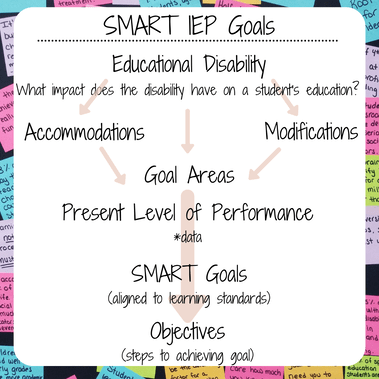
Individualized Education Programs (IEPs) are crucial documents that outline the unique needs and goals of students with disabilities in educational settings. These comprehensive plans are tailored to address a student’s specific learning requirements, accommodations, and services to ensure they have access to a free and appropriate public education. In recent years, there has been a…
-
Empowering Students: The Evolution of Inclusive IEPs

Individualized Education Programs (IEPs) are crucial tools in providing tailored support for students with disabilities. In recent years, there has been a shift towards more inclusive and holistic approaches to developing IEPs that not only address academic needs but also consider the student’s cultural background, personal interests, mental health, and social-emotional well-being. One important aspect…
-
Navigating the Path to Success: Key Components of Special Education Programs

Accommodations and modifications are essential components of an Individualized Education Program (IEP) for students with special needs. These adjustments ensure that each student can access the curriculum and participate in school activities to the best of their abilities. Accommodations may include extended time on tests, preferential seating, or modified assignments, while modifications involve changing the…
-
Navigating the Path to Success: Key Aspects of Individualized Education Programs (IEPs)
Transition planning is a crucial aspect of Individualized Education Programs (IEPs) for students with disabilities. It involves preparing students for life after high school, whether that be further education, employment, or independent living. Transition planning should ideally start as early as possible to ensure a smooth and successful transition. Assistive technology plays a significant role…
-
Strategies for Developing Effective and Inclusive IEPs in Alternative Schooling Settings

Individualized Education Plans (IEPs) are essential tools in ensuring that students with diverse learning needs receive the appropriate support and accommodations to succeed academically. In alternative schooling settings, where students may have unique challenges or require different approaches to learning, it is crucial to tailor IEPs to meet their specific needs effectively. Here are some…
-
Optimizing IEPs for Student Success: Innovative Strategies and Best Practices

Individualized Education Programs (IEPs) play a crucial role in supporting students with diverse needs in the educational system. These personalized plans outline specific goals, accommodations, and services tailored to meet each student’s unique learning requirements. In recent years, there has been a shift towards incorporating various best practices and innovative approaches to enhance the effectiveness…
-
Navigating the Path to Adulthood: Key Elements of Transition Planning in IEPs

Transition planning is a crucial aspect of Individualized Education Programs (IEPs) for students with disabilities as they prepare to move into adulthood. This process involves identifying goals and objectives that will help the student transition smoothly into post-secondary education, vocational training, employment opportunities, independent living situations, and community engagement. Assistive technology considerations play a significant…
-
Unlocking Success: The Key Components of an Effective IEP
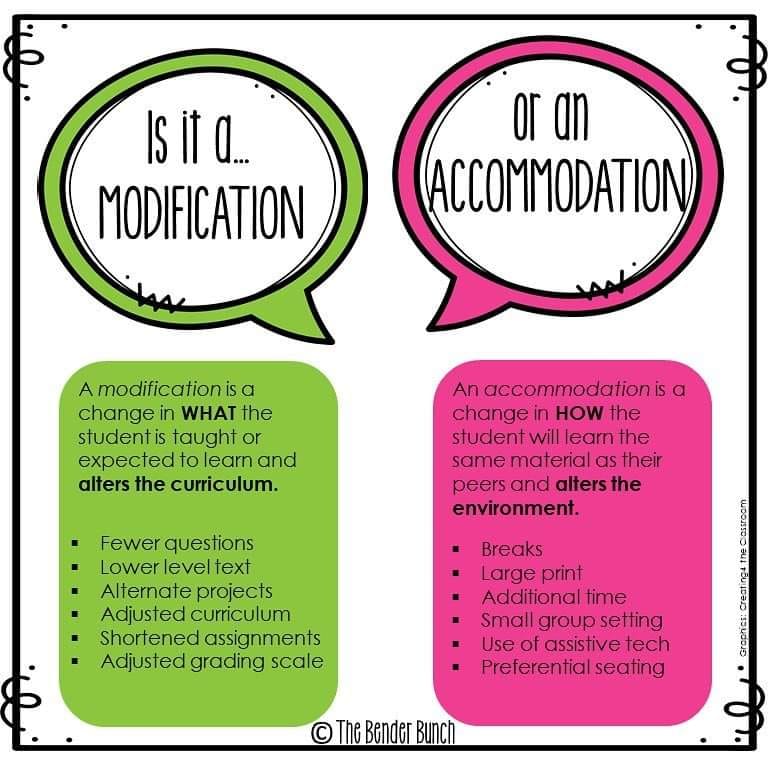
Accommodations and modifications are essential components of an Individualized Education Program (IEP) that aim to support students with diverse learning needs. These adjustments ensure that students have equal access to education and can fully participate in the classroom environment. Accommodations typically refer to changes in how a student learns material, while modifications involve altering what…
-
Navigating the Path to Post-Secondary Success: Key Components of Transition Planning for Students with Disabilities

Transition planning for post-secondary education is a critical component of the Individualized Education Program (IEP) process for students with disabilities. As these individuals prepare to enter adulthood, it is essential to address their unique needs and ensure they have the necessary skills and supports in place to succeed in higher education or vocational training settings.…
-
Empowering Students: Key Components of an IEP for Success
Transition planning is a crucial component of an Individualized Education Program (IEP) as it helps students with disabilities prepare for life after high school. This process involves setting goals, exploring post-secondary education options, vocational training opportunities, and community-based instruction that align with the student’s interests and abilities. It also includes identifying necessary accommodations and modifications…
 Alternative Amie