Tag: technology integration
-
Empowering Students Through Innovative Project-Based Learning

Project-based learning (PBL) has gained popularity in educational settings as it offers students a hands-on, interactive approach to learning. One key aspect of PBL is peer assessment, where students evaluate each other’s work. Peer assessment not only helps in developing critical thinking skills but also promotes collaboration and communication among students. By engaging in peer…
-
Bridging the Educational Divide: Innovative Solutions in African Education
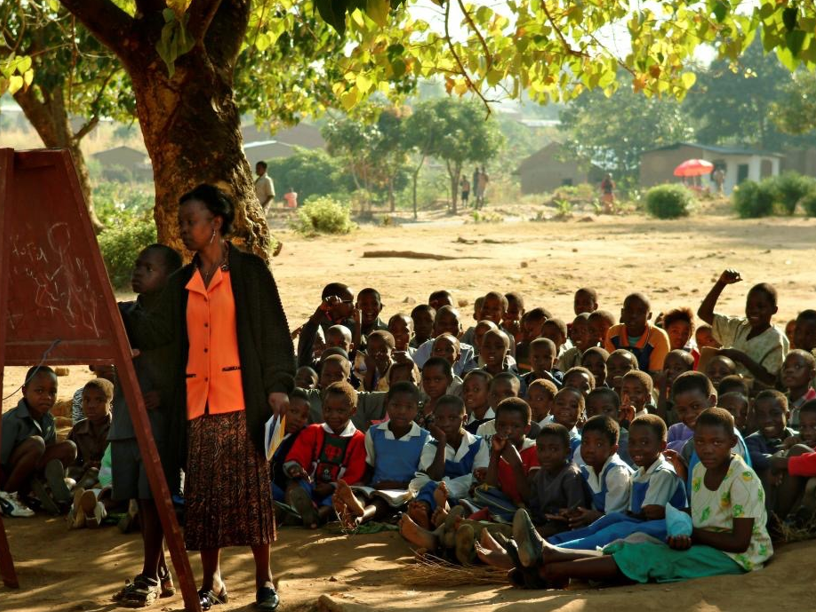
Africa is a continent rich in culture, history, and diversity. When it comes to education, there are unique challenges and opportunities that shape the educational landscape across the region. One of the key issues facing education in Africa is access. Many children do not have the opportunity to attend school due to factors such as…
-
Montessori Education: Nurturing Creativity and Individuality Through Art, Technology, and Outdoor Learning

The Montessori approach to teaching art is a unique and innovative method that focuses on nurturing creativity, self-expression, and individuality in children. In a Montessori classroom, art is not just about creating beautiful pieces; it is also about the process of exploration, discovery, and personal growth. One of the key principles of the Montessori approach…
-
“Unlocking the Power of Small Class Sizes: A Path to Personalized Learning and Holistic Development”

Small class sizes have long been heralded as a key component of providing high-quality education to students. The benefits of small class sizes extend far beyond just numbers, impacting various aspects of the learning experience and fostering a supportive and nurturing environment for students to thrive. One of the most significant advantages of small class…
-
Empowering Homeschoolers: Dynamic Learning Strategies for Success

Project-based learning is a dynamic approach that allows students to engage in real-world challenges and develop critical thinking skills. Online resources and tools play a crucial role in supporting this method, providing access to a wide range of educational materials, interactive platforms, and virtual collaboration opportunities. Co-op opportunities offer homeschooling students the chance to participate…
-
Exploring the Boundless World of Project-Based Learning: From Outdoor Adventures to Virtual Realms

Project-based learning (PBL) has taken the education world by storm, offering a dynamic and engaging approach to learning that goes beyond traditional classroom methods. With its focus on hands-on experiences and real-world applications, PBL allows students to dive deep into subjects while developing essential skills like critical thinking, problem-solving, collaboration, and communication. One exciting avenue…
-
“Alternative Education in Canada: Fostering Creativity, Diversity, and Lifelong Learning”

Canada is known for its stunning natural landscapes, diverse culture, and high-quality education system. With a strong emphasis on creativity, critical thinking, and inclusivity in education, Canada offers a unique approach to schooling that promotes holistic development and lifelong learning. One of the key features of alternative schooling in Canada is the emphasis on student-centered…
-
Navigating the Homeschooling Landscape: A Comprehensive Guide to Alternative Education Choices
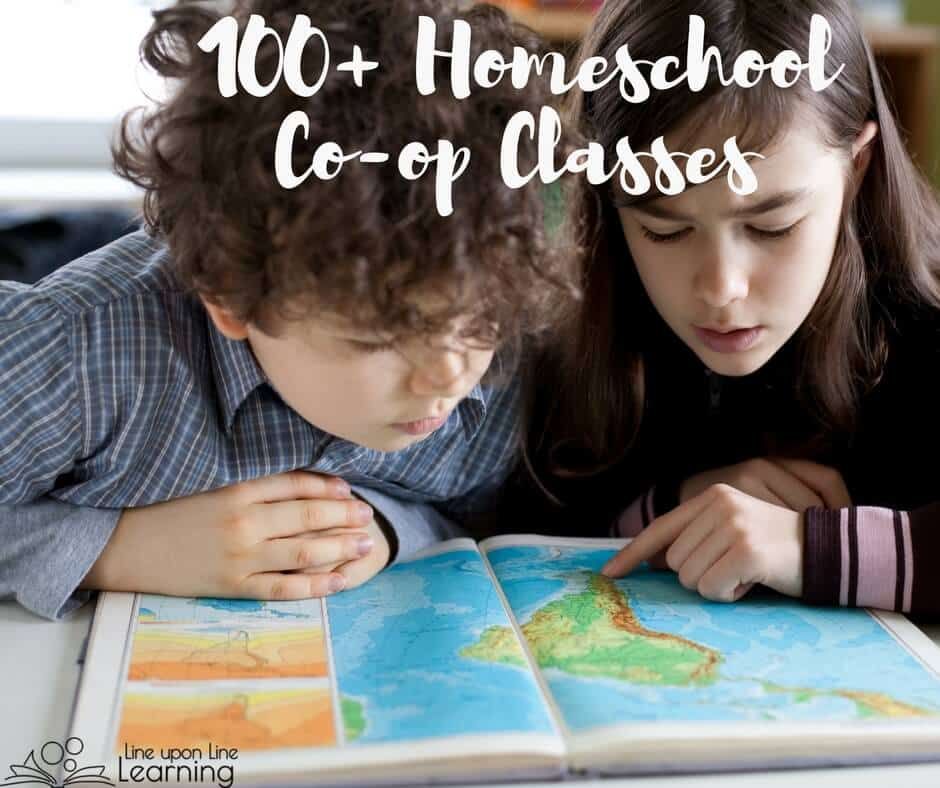
As the landscape of education continues to evolve, many families are turning to alternative schooling options for their children. Homeschooling has become a popular choice for parents looking to provide a customized and flexible educational experience for their kids. With a wide range of resources and opportunities available, homeschooling offers a unique approach to learning…
-
Innovative Education: Nurturing Tomorrow’s Leaders Through Alternative Schooling

In today’s rapidly changing world, education is evolving to meet the diverse needs of students and prepare them for success in a global society. Alternative schooling and education programs are gaining popularity for their innovative approaches to teaching and learning. These programs prioritize holistic development, experiential learning, and community engagement to create well-rounded individuals who…
-
Rural Microschools: Innovative Education Blooms in Remote Communities
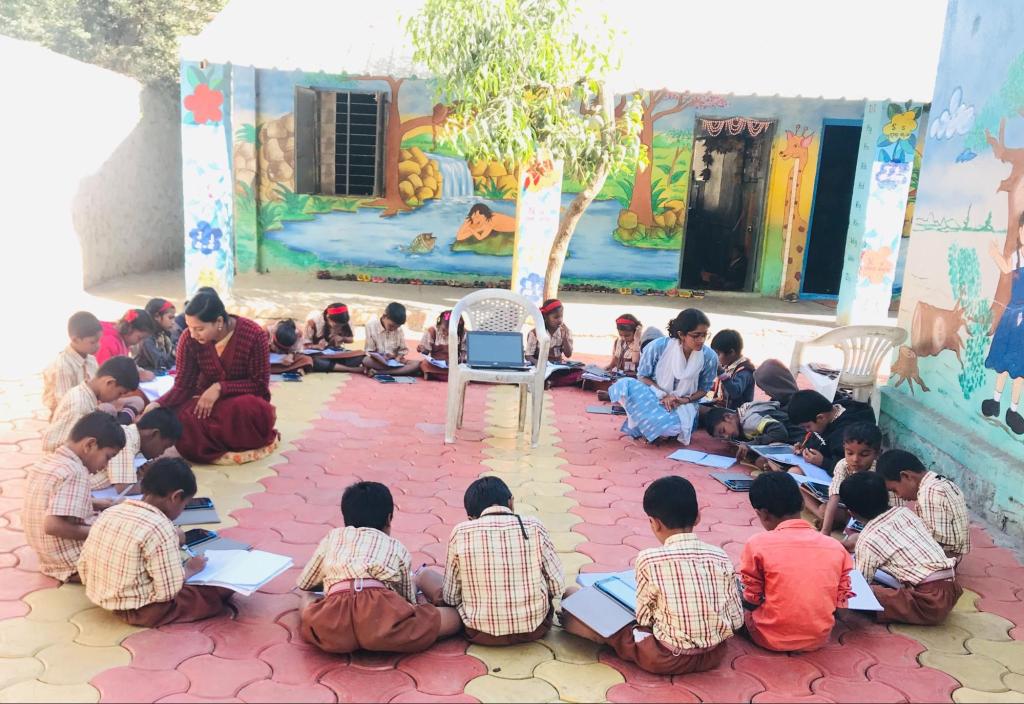
Rural microschools are a growing trend in the field of alternative education, offering a unique and innovative approach to learning for students in rural communities. These small, independent schools typically have fewer than 20 students and are often located in non-traditional settings such as community centers, libraries, or even private homes. One of the key…
 Alternative Amie