Tag: technology in education
-
Empowering Education: Unleashing the Potential of Child-Led Learning

Child-led learning, also known as unschooling or autonomous education, is a form of homeschooling that allows children to take the lead in their education based on their interests and natural curiosity. This approach focuses on fostering a love for learning by allowing children to explore topics that interest them deeply, leading to deeper understanding and…
-
Enhancing Homeschooling Co-ops Through Outdoor Education, Project-Based Learning, and More
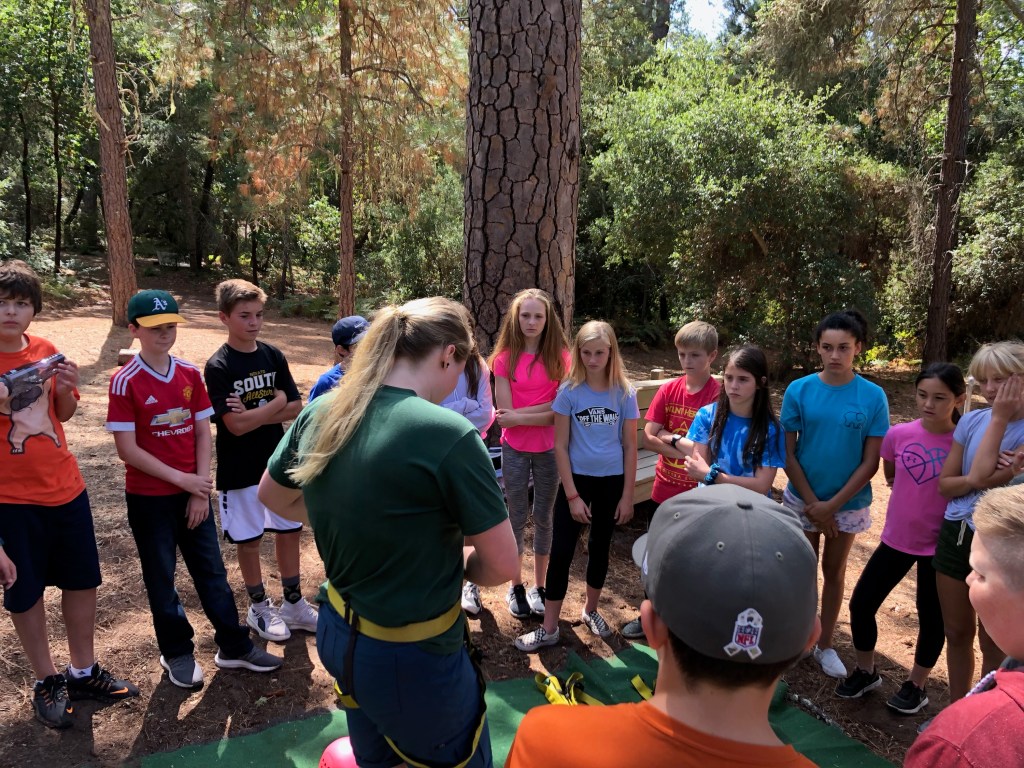
Incorporating outdoor education into homeschooling co-ops can provide a plethora of benefits for children. Outdoor education allows students to connect with nature, engage in hands-on learning experiences, and develop important life skills such as problem-solving and teamwork. One way to incorporate outdoor education is by organizing field trips to natural areas like parks, forests, or…
-
Unlocking Your Full Potential: Embracing Your Unique Learning Style
Learning styles are as unique and varied as the individuals themselves. Understanding your own learning style can greatly enhance your educational experience and make the process more enjoyable and effective. In traditional schooling systems, there is often a one-size-fits-all approach to teaching that may not cater to the diverse learning preferences of students. One common…
-
Empowering Learning Through Formative Feedback

Formative feedback is a vital component of the learning process in education. It is a form of assessment that occurs during the learning process rather than at the end, with the aim of providing students with ongoing guidance and support to help them improve their understanding and performance. In contrast to summative assessment, which evaluates…
-
Empowering Education: Key Techniques for Differentiated Instruction
Differentiated instruction techniques are vital in creating an inclusive and effective learning environment that caters to the diverse needs of students. These strategies focus on recognizing individual strengths and weaknesses, allowing educators to tailor their teaching methods to better support each student’s learning style. Here are some key differentiated instruction techniques that can be implemented…
-
Unlocking Success: The Power of Authentic Assessments in Alternative Education
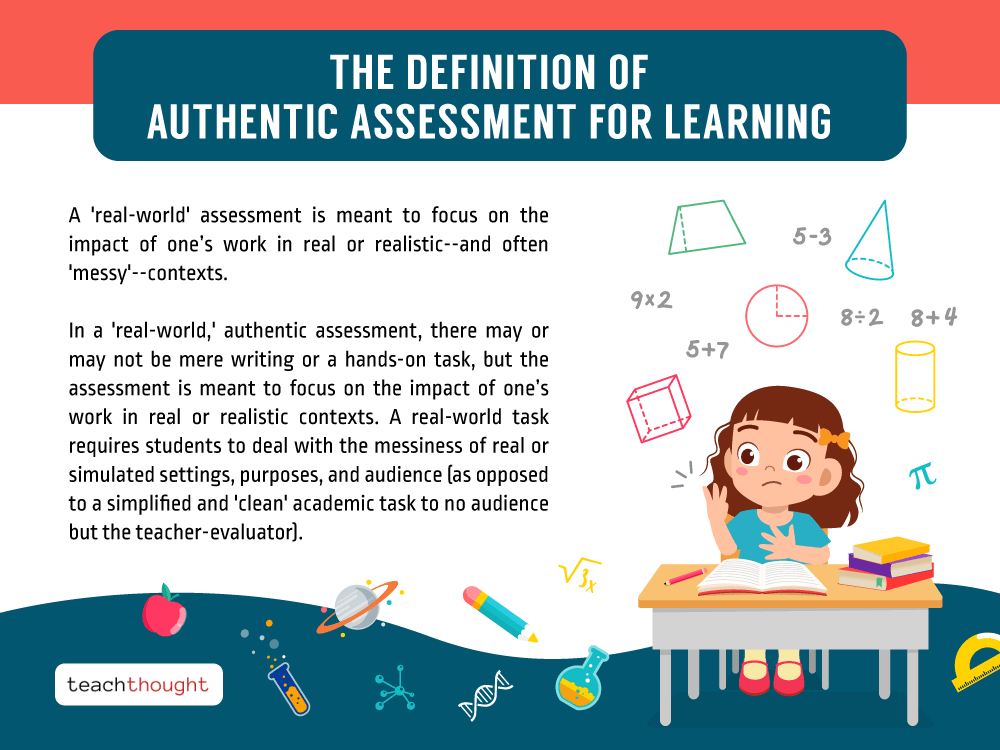
Authentic assessments are a crucial component of alternative education as they provide a more holistic and accurate measure of students’ knowledge, skills, and abilities compared to traditional standardized tests. By incorporating real-world tasks and scenarios into the assessment process, educators can better evaluate students’ understanding and application of concepts in meaningful contexts. In this Q&A…
-
Empowering Tomorrow’s Global Leaders: The Impact of Global Citizenship Education

Global citizenship education is an essential component of alternative schooling and education. It aims to empower students with the knowledge, skills, and attitudes needed to become active global citizens who are aware of global issues and committed to making a positive impact on the world. One key aspect of global citizenship education is fostering a…
-
Empowering Language Development in Alternative Education Settings
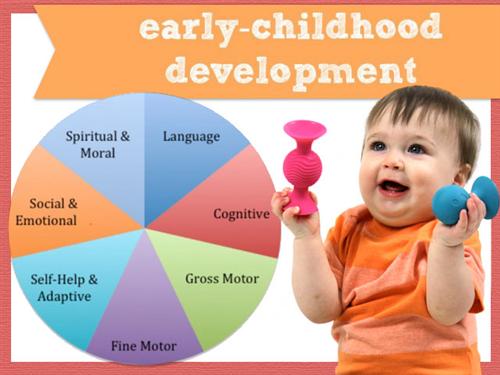
Language development is a crucial aspect of a child’s growth and learning process. The ability to communicate effectively through spoken and written language is essential for academic success, social interaction, and overall cognitive development. In traditional schooling settings, language development is often taught through structured lessons and standardized curriculum. However, alternative schooling approaches offer unique…
-
Boosting Motivation in Alternative Schooling: Effective Techniques for Student Success

Motivation is a crucial factor in the success of students in any educational setting, especially in alternative schooling and education environments. Traditional methods of motivation such as rewards and punishments may not always be effective for all students, which is why it’s important to explore different techniques that cater to individual needs and learning styles.…
-
Unschooling: Teenagers Take Control of Their Education

Interest-led learning, also known as self-directed education or unschooling, is a growing educational approach that prioritizes the interests and passions of the learner. This method allows teenagers to take control of their own education by pursuing topics that excite them, leading to deeper engagement and retention of knowledge. Unschooling encourages teenagers to explore a wide…
 Alternative Amie