Tag: teacher as facilitator.
-
Unlocking Creativity: The Reggio Emilia Approach Revolutionizes Education

Reggio Emilia approach is an innovative educational philosophy that originated in the town of Reggio Emilia, Italy, after World War II. This approach focuses on providing children with a child-centered and experiential learning environment that nurtures their natural curiosity and creativity. The Reggio Emilia approach views children as capable and competent individuals who are active…
-
Unlocking Creativity and Curiosity: Inside the Reggio Emilia Approach to Child Learning
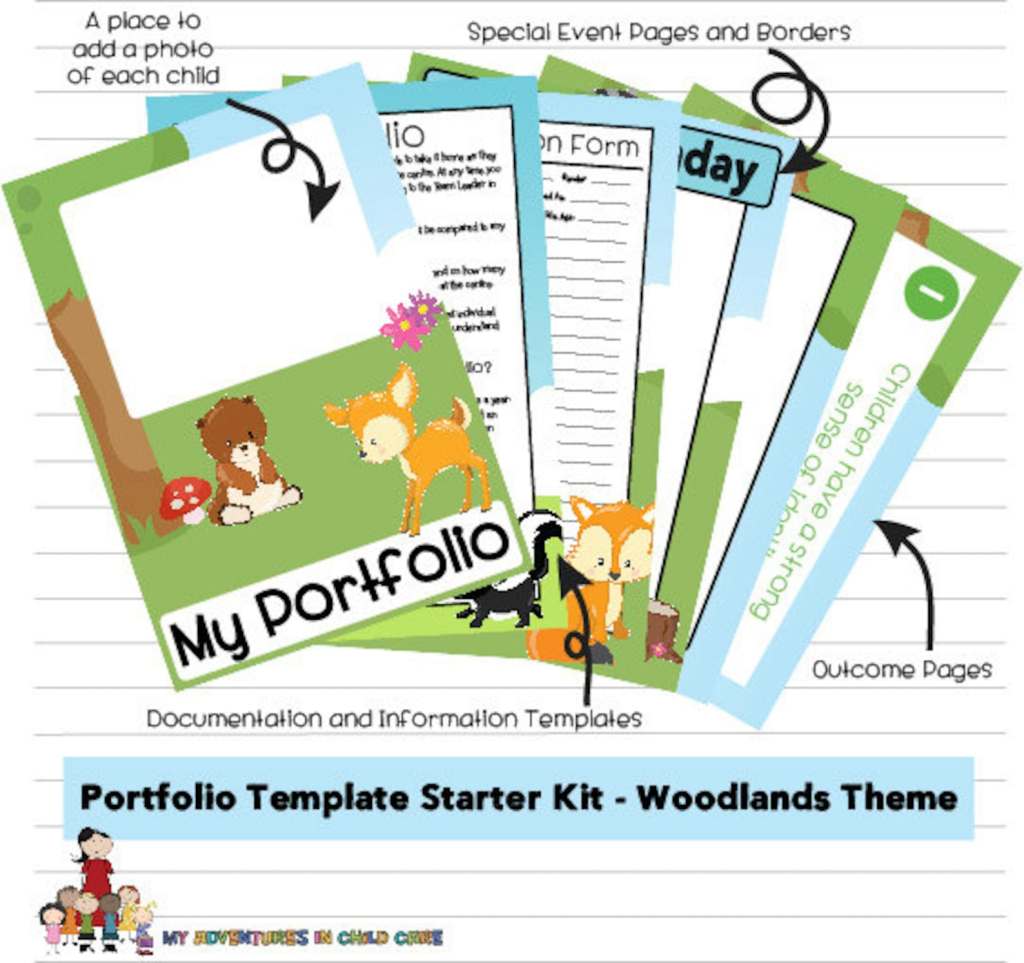
Documentation of children’s learning in the Reggio Emilia approach is a crucial aspect that helps educators understand and appreciate the child’s thoughts, ideas, and progress. Through observations, photographs, videos, and written reflections, teachers create portfolios that showcase each child’s journey of discovery and development. This documentation not only serves as a record of the child’s…
-
Empowering Learners: The Reggio Emilia Approach in Education

Child-led learning is a fundamental aspect of the Reggio Emilia approach, emphasizing that children are natural learners who should take an active role in their education. This philosophy aligns with project-based learning, where students engage in long-term, in-depth investigations on topics that interest them. By documenting children’s work throughout these projects, teachers can track progress…
-
“Empowering Education: How Teachers as Guides Transform Students into Independent, Critical Thinkers”

1. Foster Independence: One of the key roles of a teacher as a facilitator/guide is to empower students to become independent learners. By encouraging self-directed learning, teachers help students take ownership of their education. They provide resources and guidance while allowing students to explore topics that interest them and pursue their own lines of inquiry.…
-
Unlocking Creativity: Exploring the Reggio Emilia Approach to Education

The Reggio Emilia approach is an educational philosophy that originated in the town of Reggio Emilia, Italy, after World War II. This unique approach to education places a strong emphasis on the child’s natural curiosity and creativity. It views children as active learners who are capable of constructing their own knowledge and understanding of the…
-
Reggio-inspired Education: A Paradigm Shift for Secondary Schooling

Reggio-inspired Approaches in Secondary Education: A Paradigm Shift for Alternative Schooling In recent years, there has been a growing interest in alternative approaches to education that prioritize creativity, collaboration, and critical thinking. One such approach that has gained popularity is the Reggio Emilia-inspired method. Originally developed for early childhood education in Reggio Emilia, Italy, this…
-
Empowering Education: Collaborative Inquiry for Engaged Learning

Collaborative Inquiry: Fostering Learning and Empowerment in Alternative Education In alternative schooling and education, the traditional teacher-student model is often challenged to create more engaging and empowering learning experiences. One approach that has gained popularity is collaborative inquiry. Collaborative inquiry refers to a process where students work together with their peers, teachers, and community members…
-
Unlocking the Potential: Montessori Education Empowers Students for Lifelong Learning

Montessori education is a unique and alternative approach to schooling that was developed by Dr. Maria Montessori in the early 20th century. This educational philosophy emphasizes independence, freedom within limits, and respect for a child’s natural development. One of the key aspects of Montessori education is the prepared environment. Classrooms are carefully designed to promote…
-
Revolutionizing Education: The Innovative Approach of Project-Based Learning

Project-Based Learning: An Innovative Approach to Education Education is evolving, and so are the methods of teaching. With technology advancing at a rapid pace, traditional teaching methods are becoming obsolete. Project-based learning (PBL) has emerged as an innovative approach to education that focuses on practical learning and problem-solving skills. In this article, we will explore…
-
“Empower Students with Inquiry-Based Learning: A Student-Centered Approach to Education”

Inquiry-based learning is an approach that focuses on the student’s curiosity, interests, and questions to guide the learning process. It is a student-centered method that puts learners in charge of their education. The inquiry-based approach encourages students to ask questions and seek answers through research and investigation. The teacher acts as a facilitator who guides…
 Alternative Amie