Tag: student-led exploration
-
Unlocking Creativity and Critical Thinking: The Power of Project-Based Learning in Education
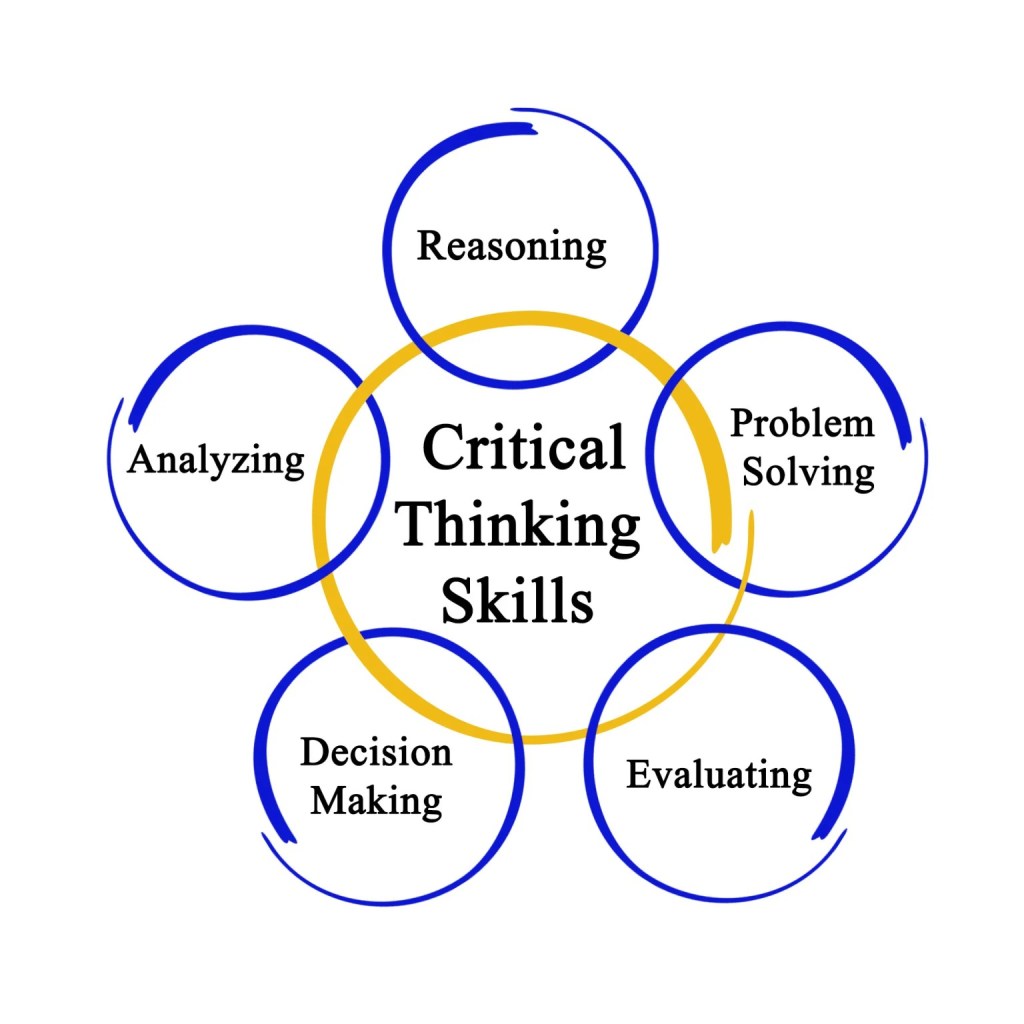
Project-Based Learning: Fostering Creativity and Critical Thinking in Education In recent years, there has been a growing interest in alternative approaches to education that aim to promote deeper learning and equip students with essential skills for the future. One such approach gaining popularity is project-based learning (PBL). PBL shifts the focus from traditional teacher-centered instruction…
-
Exploring Unique Ways to Assess Problem-Solving Skills in Alternative Education Settings

Alternative education settings offer unique opportunities for students to develop problem-solving skills. These settings include everything from homeschooling and unschooling to Montessori schools, Waldorf schools, and other alternative approaches that often prioritize hands-on learning and student-led exploration. Assessing problem-solving skills in these settings can be challenging since traditional measures like standardized tests may not capture…
-
The Role of Technology in Montessori Education: Benefits and Risks to Consider
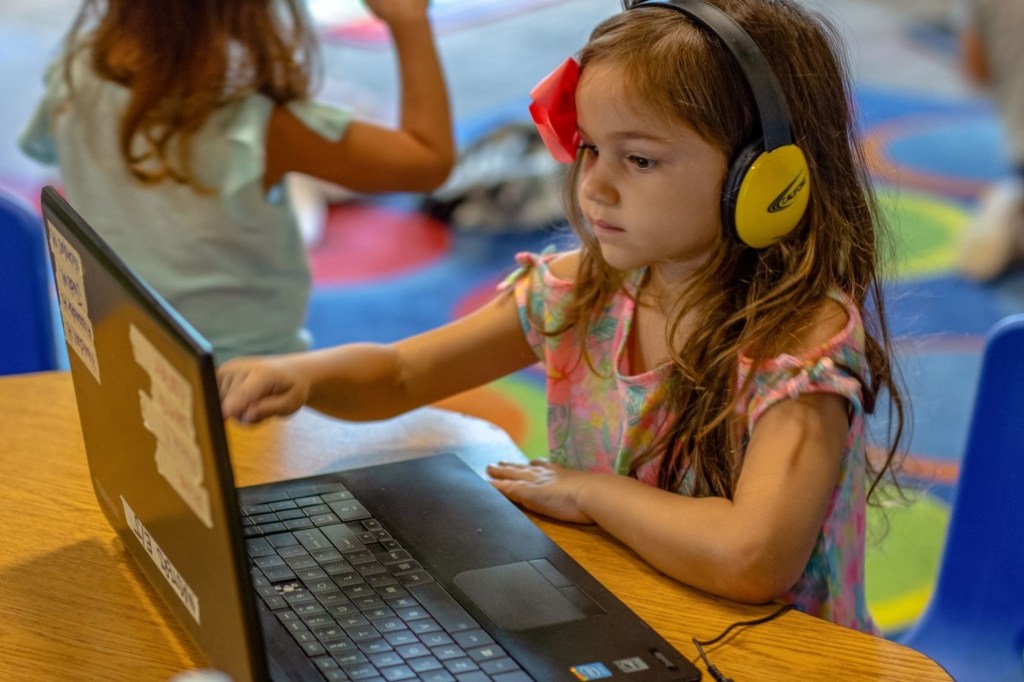
Montessori education has been a popular alternative schooling method for over a century. Founded by Maria Montessori in 1907, the approach emphasizes hands-on learning and student-led exploration. Montessori schools have traditionally shied away from using technology in the classroom, but in recent years, some educators have begun to incorporate it into their teaching. The role…
-
“Empower Your Students: The Benefits of Inquiry-Based Learning”

Inquiry-based learning is an approach to education that emphasizes student engagement and self-directed learning. In this approach, students take responsibility for their own learning by asking questions, conducting research, and exploring new ideas. This type of learning encourages critical thinking, problem-solving skills, and creativity. One of the key benefits of inquiry-based learning is that it…
 Alternative Amie