Tag: student engagement
-
Why Parental Involvement Is Crucial in Alternative Education: Tips for Parents to Get Involved

Introduction Alternative education is becoming increasingly popular among parents, students, and educators. It offers an alternative to traditional schooling systems that may not be suitable for every child. Alternative schools provide a unique learning experience, focusing on individual needs and interests of the student. Parental involvement plays a crucial role in the success of alternative…
-
Empowering Learners Through Student-Led Curriculum in Alternative Education

Student-Led Curriculum: Empowering Learners in Alternative Education Alternative education is a rapidly growing movement in the world of schooling, and it’s not just for students who can’t thrive in traditional environments. Many families are seeking alternative options because they believe that students learn best when they have more control over their own education. One way…
-
“Unlocking Learning Potential: The Power of Classroom Design and Organization”
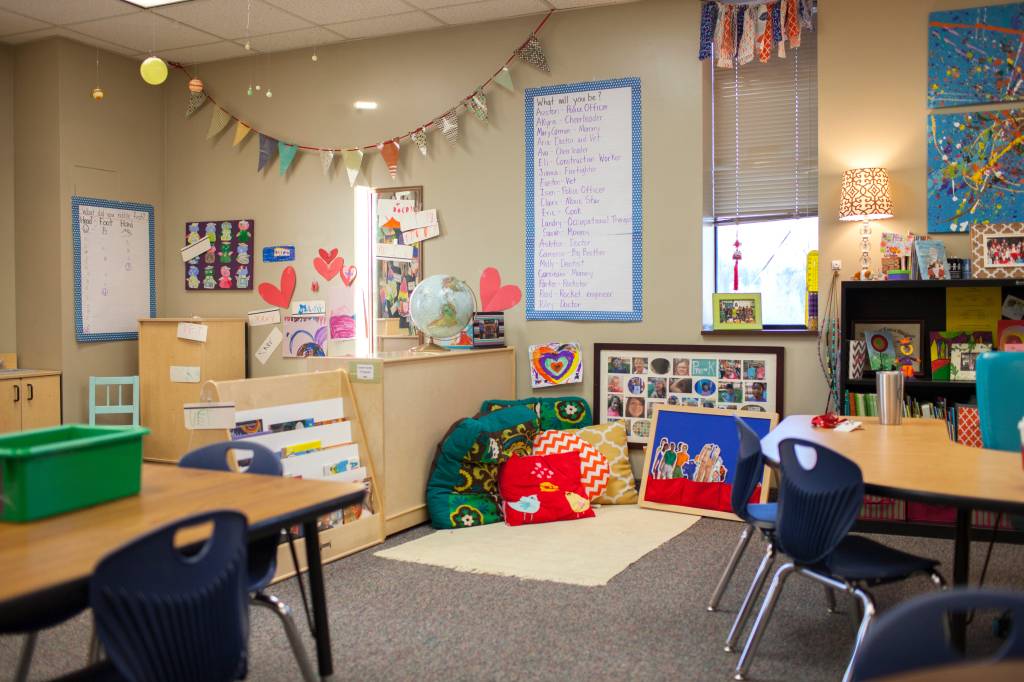
Classroom Design and Organization: Creating a Learning-Friendly Environment When it comes to learning, the environment plays a key role in shaping students’ attitudes towards education. Classroom design and organization are important aspects of creating an effective learning environment that fosters engagement, collaboration, and creativity. One key consideration is the layout of the classroom. Furniture should…
-
Experiential Learning: The Benefits of Learning by Doing

Experiential Learning: The Benefits of Learning by Doing Traditional education has long relied on lectures, textbooks, and exams as its primary tools for teaching. However, experiential learning is an alternative approach that has gained popularity in recent years. Experiential learning is a hands-on approach to education where students learn from their direct experiences. In this…
-
Get Active and Engaged in the Classroom with Yoga Ball Chairs

Yoga Ball Chairs: The Benefits of Active Seating in the Classroom In recent years, educators have become increasingly aware that traditional classroom seating options are not always conducive to learning. Many students struggle with remaining attentive and engaged during long periods of sitting, which can lead to restlessness, fidgeting, and even discomfort or pain. Fortunately,…
-
Unlocking the Power of Interest-Led Learning: Letting Kids Take Control of Their Education

As a parent or educator, you may have heard the term “interest-led learning” thrown around in educational circles. But what exactly is it? Interest-led learning, also known as child-led learning, is an approach to education that focuses on allowing children to explore their interests and passions through self-directed activities and experiences. In interest-led learning, the…
-
“Revolutionize Your Classroom with the Jigsaw Method: Boost Engagement and Learning Outcomes!”

The Jigsaw method is a teaching technique that has been widely used in classrooms and other educational settings. It was developed in the 1970s by Elliot Aronson, an American psychologist who sought to improve student participation and engagement in the learning process. The essence of this method involves breaking down complex topics or concepts into…
-
“Collaborative Learning: The Benefits of Group Presentations and Projects in Alternative Education Programs”

Group presentations and projects are a common feature in many alternative schooling and education programs. They enable students to work collaboratively towards a shared goal, develop their communication and teamwork skills, and showcase their learning in a dynamic format. In this panel discussion style post, we will explore the benefits of group presentations and projects…
-
Project-Based Learning: The Engaging Approach to Education That Develops Critical Thinking and Problem-Solving Skills.

Project-based learning (PBL) is an approach to education that emphasizes student engagement, critical thinking, and problem-solving through hands-on projects. Students work on complex projects that require them to apply knowledge from a variety of disciplines, collaborate with peers, and develop essential skills such as communication, creativity, and perseverance. In PBL classrooms, teachers act as facilitators…
-
“Unlocking the Power of Learning: The Benefits of an Interest-Based Curriculum”

What is an Interest-based curriculum? An interest-based curriculum (IBC) is a teaching approach that focuses on the individual interests of students. It aims to make learning more engaging, relevant, and meaningful by tapping into what students are curious and passionate about. The IBC approach allows for more flexibility in instruction as it recognizes that each…
 Alternative Amie