Tag: student engagement
-
“Breaking Down Barriers and Fostering Creativity: The Advantages of Experiential Learning”
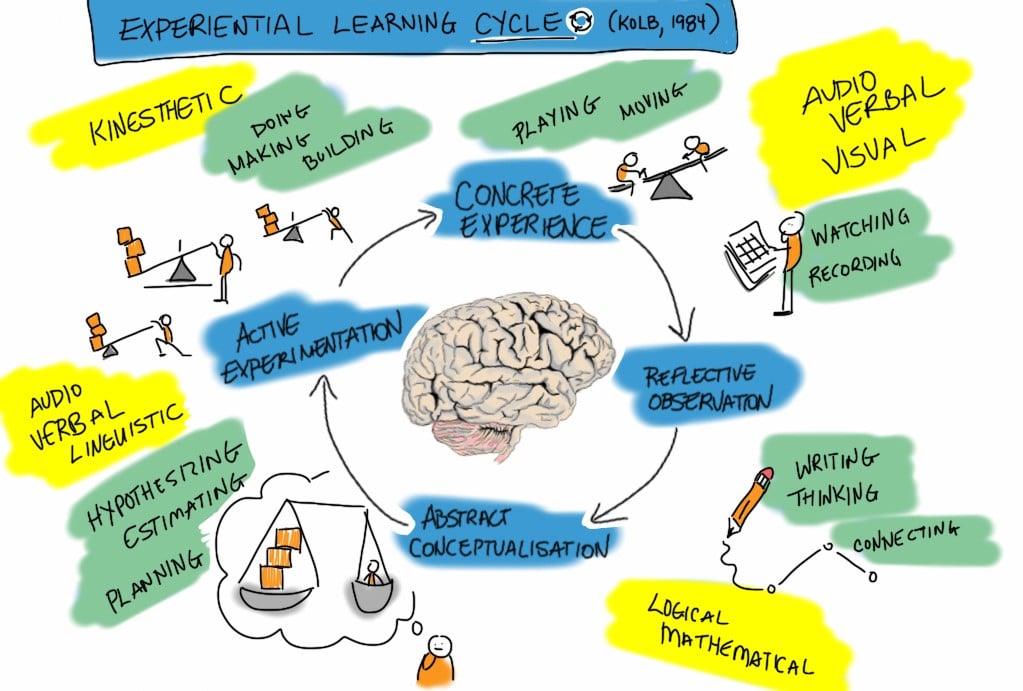
Experiential Learning is a form of education that emphasizes hands-on, immersive experiences as opposed to traditional classroom learning. It involves engaging students in real-world situations and encouraging them to learn by doing. Alternative schools and educational institutions have been at the forefront of promoting experiential learning as a way to provide students with a unique…
-
Gamification in Education: A Fun Way to Boost Learning and Engagement!

Gamification in Education: A Deep-Dive into the Benefits and Challenges The use of gamification, or the application of game design elements in non-game contexts, has become increasingly popular in education. By incorporating game-like features such as points, badges, and leaderboards into learning activities, educators aim to increase student engagement and motivation while facilitating deeper learning.…
-
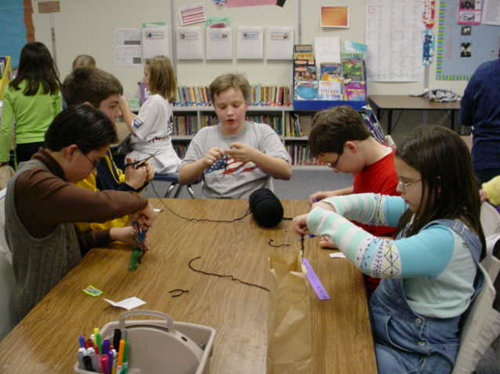
Differentiated instruction is a teaching approach that recognizes the unique needs and interests of each student in a classroom. It involves adjusting the content, process, and product of learning to meet the various learning styles, abilities, and backgrounds of students. In essence, differentiated instruction seeks to create an inclusive classroom where every student has equal…
-
“Revolutionizing Education: The Power of Blended Learning”

Blended learning is a modern approach to education that combines traditional classroom teaching with online or digital learning. It has become more popular in recent years as technology has made it easier for students and teachers to connect and work together remotely. One of the main benefits of blended learning is that it allows students…
-
Unlocking Creativity and Critical Thinking: The Power of Open-Ended Questions in Alternative Education

Open-Ended Questions: An Essential Tool for Alternative Schooling and Education As an educator, it’s important to use a variety of teaching methods to engage your students. One method that is gaining popularity in alternative schooling and education is the use of open-ended questions. Open-ended questions are designed to encourage critical thinking, creativity, and problem-solving skills.…
-
Interest-Led Learning: Empowering Children to Become Lifelong Learners
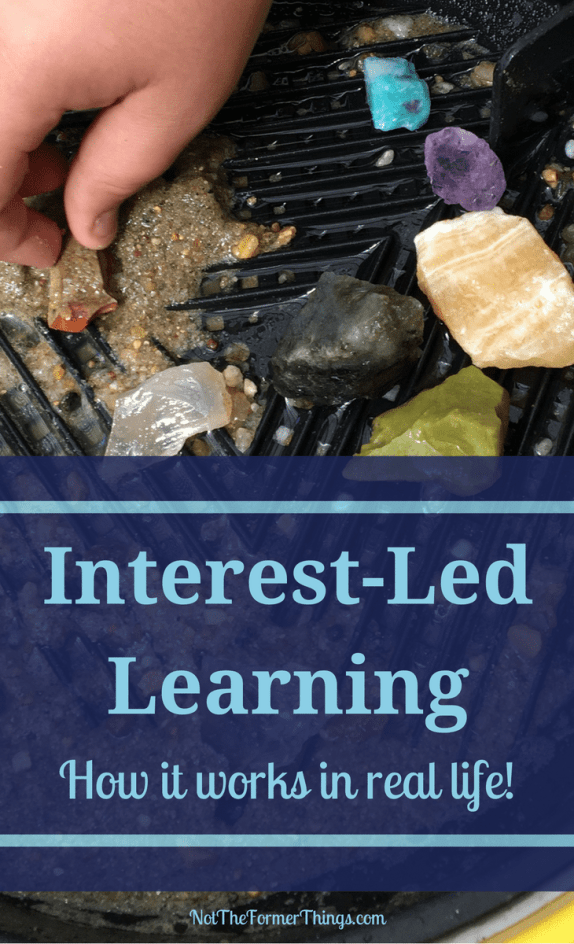
Interest-Led Learning: An Alternative Approach to Education Education is one of the most important aspects of our lives. It shapes us into who we are and prepares us for the future. However, traditional schooling often fails to engage students and lacks practicality in real life situations. In recent years, there has been a growing movement…
-
Personalized Learning and Goal-Oriented Grading: A Promising Approach to Alternative Education

Individualized Learning Plans and Grading: A Statistical Approach Alternative schooling and education have become increasingly popular over the years, especially in the United States. The traditional model of schooling has been criticized for being too rigid and not catering to the individual needs of students. As a result, educators have turned to Individualized Learning Plans…
-
Synchronous vs. Asynchronous Learning: Which Is Best for Remote Education?

In recent years, there has been a significant shift towards online learning. With the ongoing pandemic forcing schools and universities to adopt remote learning models, educators around the world have had to adapt their teaching strategies to better suit this new environment. One of the main issues with remote learning is that it can be…
-

The flipped classroom model is a teaching strategy that has been gaining popularity in recent years. In this model, students watch or read instructional material at home and then complete homework assignments and engage in class discussions during class time. This approach turns the traditional classroom dynamic on its head and can be particularly effective…
-
Individualized Learning Plans: The Key to Customized Education Experiences
In traditional classrooms, students are usually taught the same lessons in the same way. However, we all know that every child is unique and has different strengths and weaknesses. Some students learn better through visual aids while others prefer hands-on activities. This is where individualized learning plans (ILPs) come into play. An ILP is a…
 Alternative Amie