Tag: student engagement
-
Engage, Collaborate, and Explore: The Benefits of Project-Based Learning

Project-based learning (PBL) is an innovative approach to education that allows students to learn through the completion of projects rather than traditional classroom lectures. This method encourages students to take ownership of their learning process, work collaboratively with peers, and develop critical thinking skills while exploring real-world problems. One significant advantage of PBL is its…
-
Unlocking Every Learner’s Potential: The Power of Differentiated Instruction

Differentiated Instruction: Unlocking the Potential of Every Learner In a traditional classroom setting, one-size-fits-all instruction can be detrimental to students’ learning and growth. Students have different backgrounds, abilities, interests, and learning styles that require an individualized approach to teaching. Differentiated instruction is an evidence-based practice that aims to meet the diverse needs of learners by…
-
“Experience is the Best Teacher: The Benefits of Experiential Learning in Education”

Experiential learning is a unique approach to education that emphasizes learning by doing. It is an effective way to engage students in their studies, providing them with hands-on experiences that allow them to develop critical thinking skills and apply what they have learned in real-world situations. There are many benefits to experiential learning. For one,…
-
Service-Learning: The Key to Engaging Students and Strengthening Communities
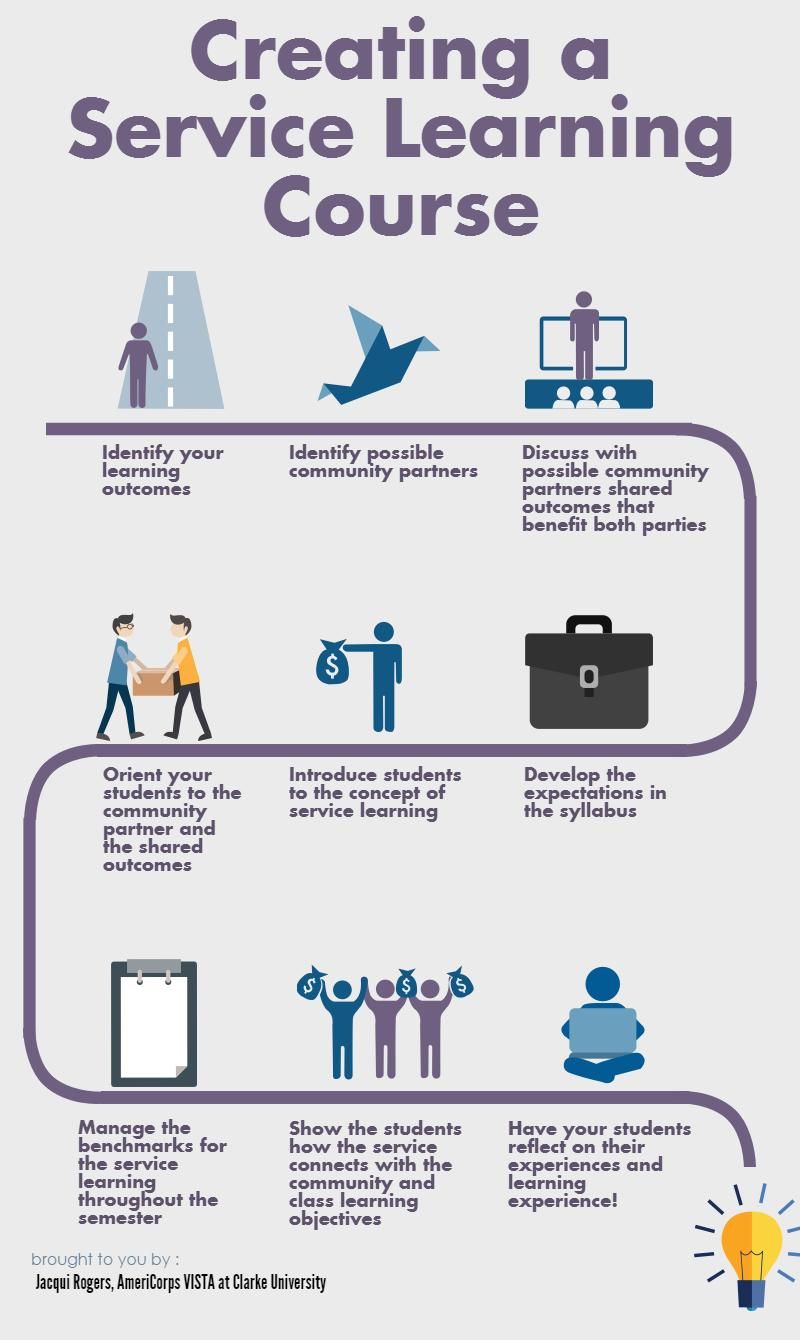
Service-learning is a teaching and learning approach that integrates community service with academic instruction. It offers students the opportunity to apply what they learn in real-life situations and provides valuable learning experiences while meeting actual community needs. Service-learning can benefit both the student and the community, creating a mutually beneficial relationship. One of the primary…
-
Exploring the World from Home: The Benefits of Virtual Field Trips in Education

Virtual field trips are a great way to engage students in learning, even when they can’t leave their homes. With the rise of technology, it’s now possible to take students on virtual tours of museums, historical sites, and other interesting places around the world. Here’s everything you need to know about using virtual field trips…
-
Revolutionizing Education: How Brain-Based Learning is Changing the Game

Brain-Based Learning: How Neuroscience is Revolutionizing Education As our understanding of the brain continues to evolve, so does our approach to education. Brain-based learning is a teaching method that takes into account the way the brain works and processes information. By incorporating neuroscience research into educational practices, educators are able to create more effective and…
-
Differentiated Instruction: Meeting the Diverse Needs of Every Student in Any Classroom Setting
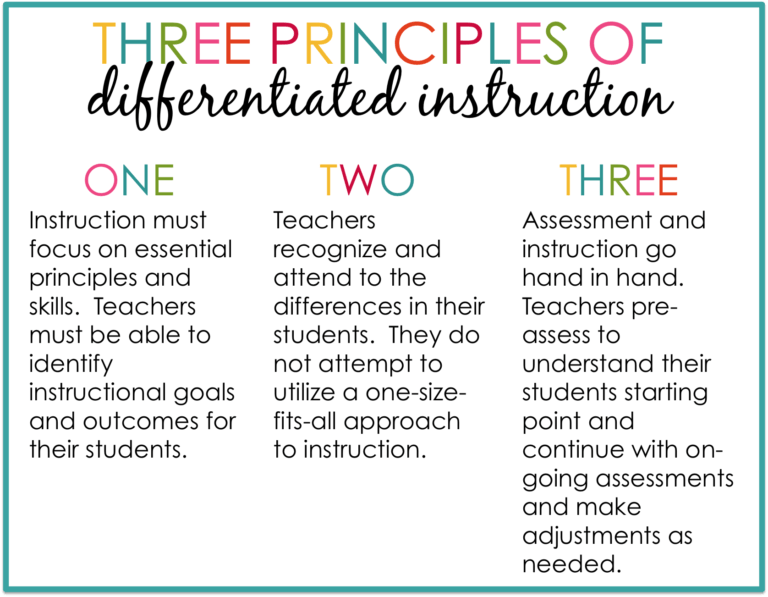
Differentiated instruction is a teaching approach that tailors the content, process, and product of learning to meet the needs of each individual student. It is a flexible method that can be applied in any classroom setting or subject area, with students of varying ages and abilities. The goal of differentiated instruction is to create an…
-
Differentiated Instruction: Personalizing Learning for Every Student

Differentiated Instruction: Meeting the Needs of All Learners As society and education become more diverse, educators must adapt their teaching styles to meet the needs of all learners. Differentiated instruction is a pedagogical approach that recognizes and addresses the unique learning styles, interests, and abilities of each student in the classroom. In this post, we…
-
Enhance Learning with Chunking: The Breakthrough Method for Alternative Schooling
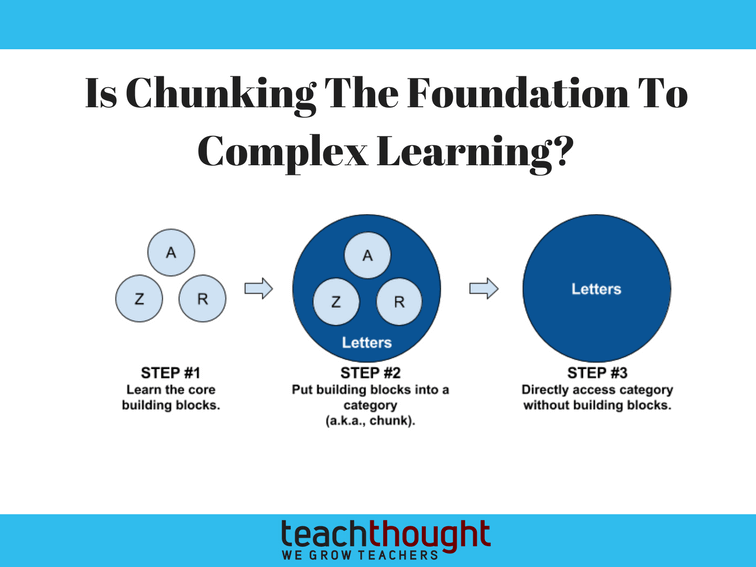
Chunking – A Method to Enhance Learning In the world of education and learning, there are several techniques used by teachers and students alike to improve their ability to understand and recall information. One such technique is Chunking, which has been proven to be an effective method for enhancing memory retention. In this post, we…
-
“Empower Students with Inquiry-Based Learning: A Student-Centered Approach to Education”

Inquiry-based learning is an approach that focuses on the student’s curiosity, interests, and questions to guide the learning process. It is a student-centered method that puts learners in charge of their education. The inquiry-based approach encourages students to ask questions and seek answers through research and investigation. The teacher acts as a facilitator who guides…
 Alternative Amie