Tag: student engagement
-
Navigating the Hurdles of Virtual Schools

Challenges of Virtual Schools Virtual schools have become increasingly popular in recent years, offering students an alternative to traditional brick-and-mortar schools. These online learning platforms provide flexibility, personalized instruction, and the ability to learn from anywhere. However, like any form of education, virtual schools come with their own set of challenges that need to be…
-
“Project-Based Learning: Empowering Students for Success through Engagement and Collaboration”
Project-based learning is a highly effective educational approach that engages students in hands-on, real-world activities to develop essential skills and knowledge. Unlike traditional classroom instruction, project-based learning focuses on inquiry, problem-solving, collaboration, and critical thinking. One of the key benefits of project-based learning is its ability to foster student motivation and engagement. By allowing students…
-
Unlocking the Power of Blended Learning: A Comprehensive Guide
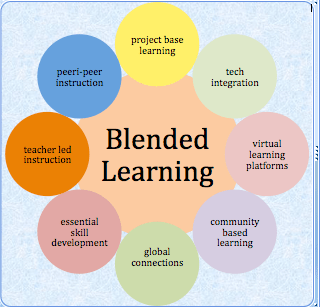
Blended Learning: A Comprehensive Guide Introduction: As the education landscape continues to evolve, innovative approaches are being adopted to enhance student learning and engagement. One such approach is blended learning, which combines traditional face-to-face instruction with online educational tools and resources. In this comprehensive guide, we will explore what blended learning is, its benefits and…
-
“Flexible Seating: Igniting Collaboration and Communication in Alternative Education”

Collaboration and Communication in a Flexible Seating Environment Alternative schooling and education have gained significant popularity over the years, with more and more educators realizing the need for innovative approaches to engage students effectively. One such approach is implementing flexible seating environments that promote collaboration and communication among students. In this article, we will explore…
-
Unlocking Student Success: The Power of Personalized Learning Plans

Personalized Learning Plans: Empowering Students for Success Education is not a one-size-fits-all approach. Every student has unique strengths, weaknesses, and learning styles that should be taken into consideration when designing their educational journey. Personalized learning plans offer an effective solution to cater to these individual needs, empowering students to take ownership of their education while…
-
The Power of Arts in Alternative Education: Unleashing Creativity and Empowering Students
Panel Discussion: The Role of Arts in Alternative Schooling and Education Introduction: Welcome to our panel discussion on the role of arts in alternative schooling and education. Today, we have gathered a group of experts who are passionate about incorporating arts into educational settings outside the traditional classroom. Our panelists include educators, artists, and researchers…
-
Boosting Student Engagement and Ownership: The Power of Peer Assessment

Peer assessment is an effective technique to promote student engagement and foster a sense of ownership in their learning process. It involves students evaluating the work of their peers and providing constructive feedback. This method encourages active participation, critical thinking, and self-reflection, while also developing communication and analytical skills. One popular peer assessment strategy is…
-
“Interactive Learning: Enhancing Self-Paced Curricula with Hands-On Activities”

Incorporating Hands-On Activities into a Self-Paced Curriculum As the landscape of education continues to evolve, alternative forms of schooling and education are becoming increasingly popular. One such approach is self-paced learning, which allows students to progress through the curriculum at their own speed. While this offers flexibility and personalized learning experiences, it can sometimes lack…
-
“Alternative Schools Embrace Project-Based Learning for Engaged and Empowered Students”

Project-Based Learning in Alternative Schooling: Project-based learning is a teaching method that emphasizes hands-on, real-world experiences to foster deep understanding and application of knowledge. In alternative schooling environments, project-based learning plays a central role in promoting student engagement, critical thinking skills, and collaboration. What is Project-Based Learning? Project-based learning (PBL) is an instructional approach where…
-
“Unlocking the Power of Visual Aids and Graphic Organizers in Education”

Visual aids and graphic organizers are powerful tools in teaching that can greatly enhance the learning experience for students. These tools help to engage learners, improve comprehension, and facilitate information retention. Whether used in traditional classrooms or alternative schooling settings, visual aids and graphic organizers offer a multitude of benefits for both teachers and students.…
 Alternative Amie