Tag: student choice
-
Unlocking Potential: Differentiated Instruction for Every Learner
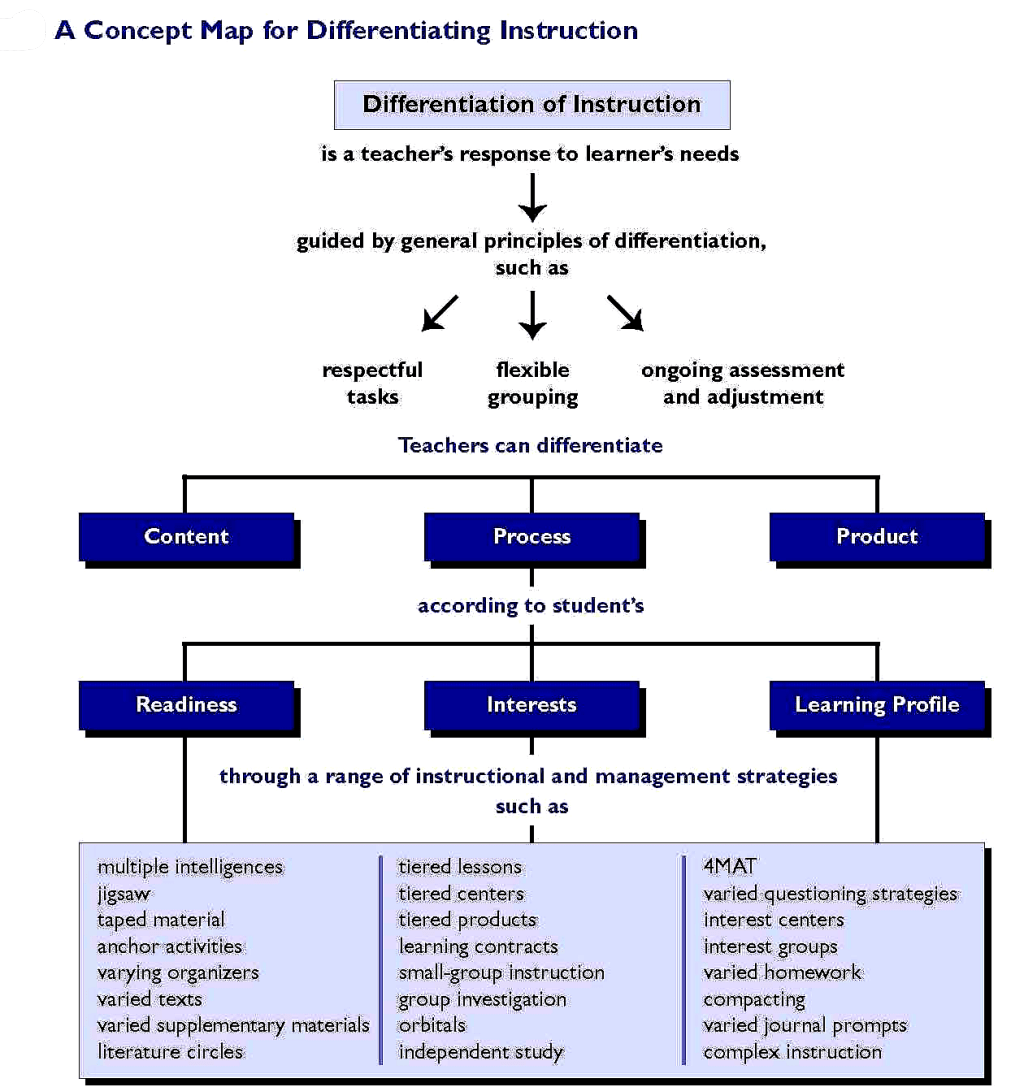
Differentiated Instruction: Supporting the Unique Needs of Every Learner In traditional classrooms, teachers often follow a one-size-fits-all approach to education. However, every student is different, with unique strengths, weaknesses, interests, and learning styles. This is where differentiated instruction comes in – an approach that recognizes these differences and aims to provide each student with personalized…
-
“Embracing Flexibility: How Professional Development Empowers Teachers to Implement Flexible Seating in Classrooms”

In recent years, there has been a growing trend in education towards implementing flexible seating in classrooms. This approach challenges the traditional classroom setup by replacing rows of desks with a variety of seating options such as bean bags, standing desks, and floor cushions. The idea behind flexible seating is to create an environment that…
-
Empowering Students: The Key to Success in Alternative Education

Supporting student choice and autonomy is a crucial aspect of alternative schooling and education. In traditional educational settings, students are often told what to learn, how to learn, and when to learn. However, research suggests that allowing students to have a say in their own education leads to increased engagement, motivation, and overall success. One…
-
Empowering Students to Take Ownership of their Learning: The Benefits of Student Voice and Choice
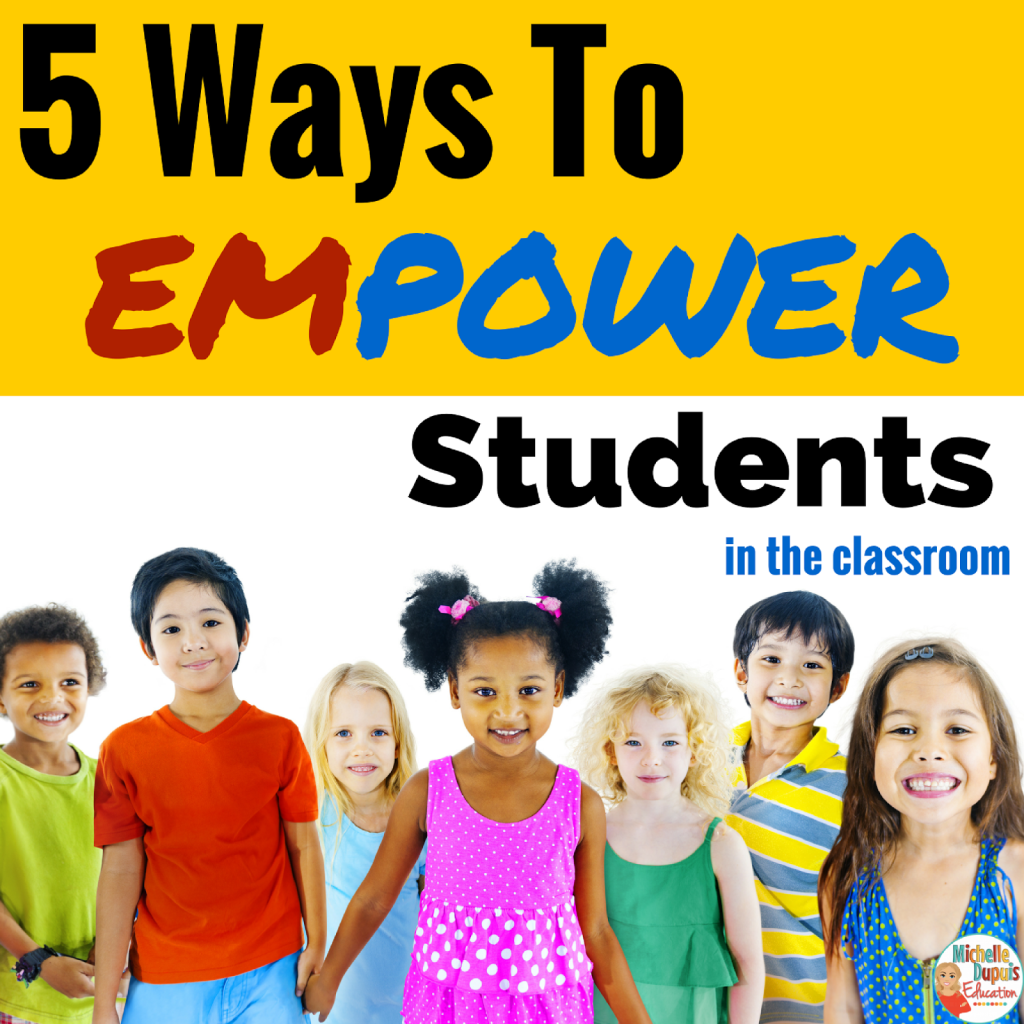
Student Voice and Choice: Empowering Students to Take Ownership of their Learning As educators, we often talk about the importance of student engagement, but what does that actually look like in practice? One approach that has gained popularity in recent years is giving students more voice and choice in their learning. This means allowing them…
-
Balancing Personalization and Cultural Responsiveness: The Paradox in Education Settings
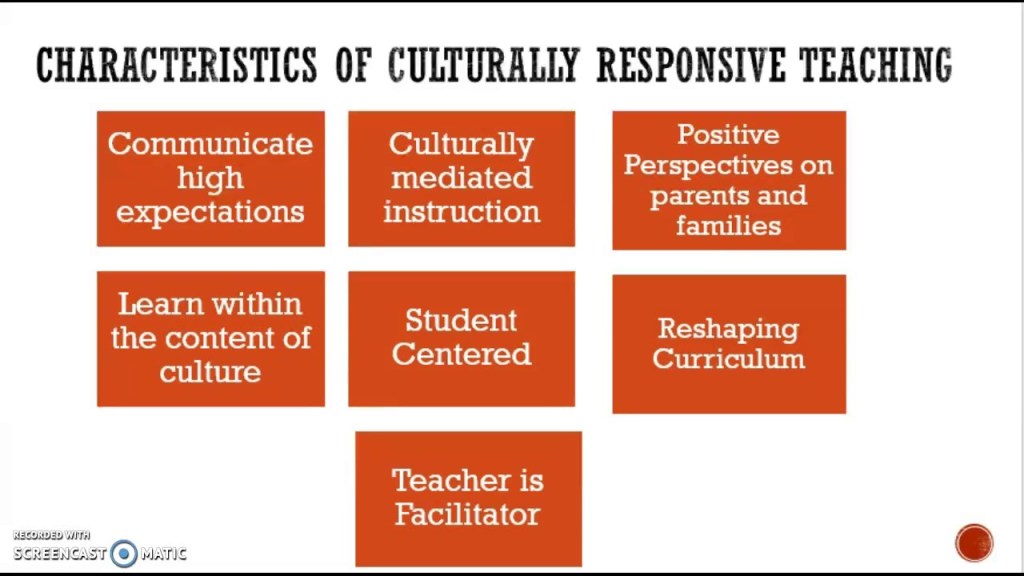
Culturally Responsive Teaching in Personalized Education Settings: The Paradox The world is becoming more diverse, and this diversity has found its way into our classrooms. Culturally responsive teaching (CRT) aims to help students from different cultures feel valued and included in the classroom setting. This approach recognizes that culture affects how we learn and interact…
-
“Mastering Classroom Management: Strategies for Success in Alternative Education”

Classroom Management: Strategies for Alternative Education Effective classroom management is a crucial aspect of successful teaching and learning. It not only helps teachers maintain order and discipline in the classroom, but also fosters an environment that promotes student engagement, participation, and achievement. In alternative education settings where students come from diverse backgrounds and have unique…
-
Engage Students in Real-World Problem Solving with Project-Based Learning in Blended Classrooms

Project-Based Learning in Blended Classrooms Blended classrooms are becoming increasingly popular, especially in alternative schooling and education. They combine traditional face-to-face instruction with online learning, allowing students to learn at their own pace and using a variety of resources. One instructional approach that works particularly well in blended classrooms is project-based learning (PBL). PBL is…
-
Mastering Learning: The Benefits and Challenges of Mastery-Based Education
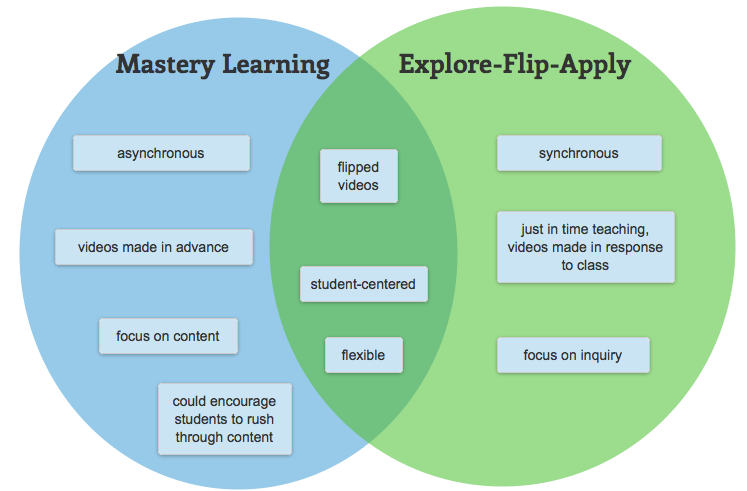
Introduction Mastery-based learning is a teaching philosophy that encourages students to learn at their own pace and master skills before progressing to the next level. Unlike traditional classroom settings where students are grouped together based on their age or grade, mastery-based learning focuses on individual progress and growth. In this Q&A style post, we will…
-
“Unlocking Student Success: The Power of Differentiated Instruction”

Differentiated instruction is a teaching approach that acknowledges the diverse learning needs of students and tailors instruction to meet their individual needs. It involves varying the content, process, and product of instruction to ensure all learners are able to access and engage with the material in ways that are meaningful to them. The goal of…
-
Empowering Students through Student-Centered Learning: Strategies for Success

Student-Centered Learning: Empowering Students to Take Charge of Their Education Traditional education often follows a teacher-centered approach where the teacher is the primary source of knowledge and instruction, and students are expected to passively receive information. However, this approach does not always lead to optimal learning outcomes as it fails to take into account the…
 Alternative Amie