Tag: student autonomy.
-
Unleashing Potential: The Power of Self-Directed Education
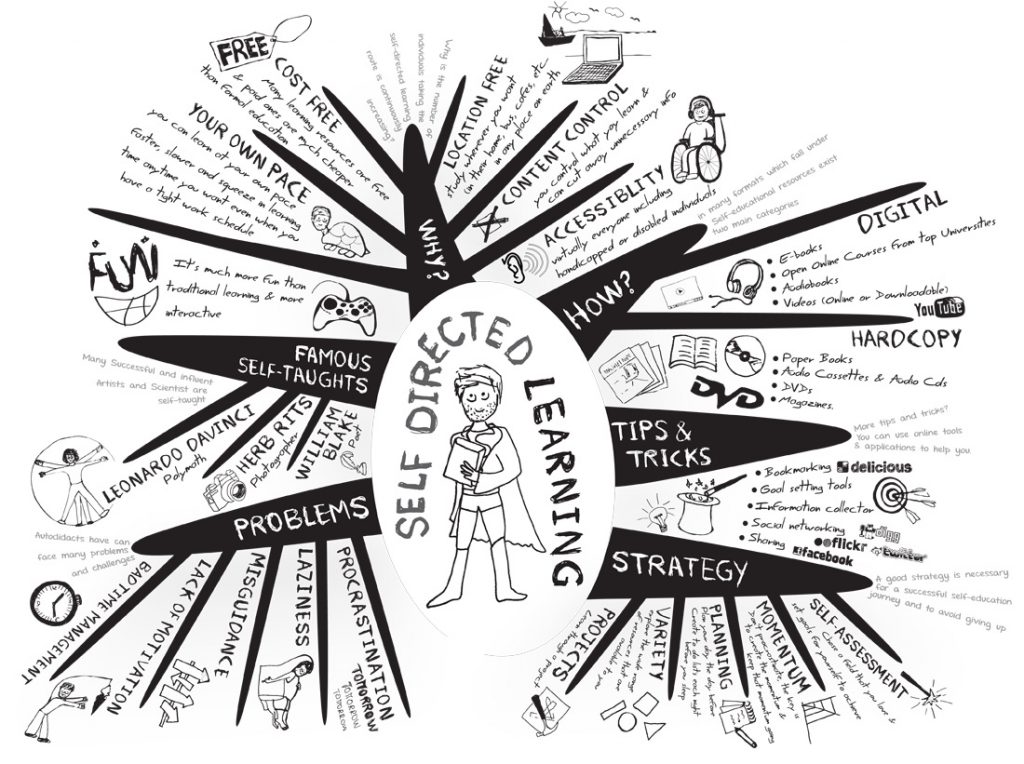
Self-directed education, also known as unschooling or self-paced learning, is a unique approach to education that allows students to take control of their own learning journey. Rather than following a traditional curriculum and structure set by schools, self-directed learners have the freedom to choose what they want to learn and how they want to learn…
-
Revolutionizing Education: Project-Based Assessments Empower Students for Real-World Success
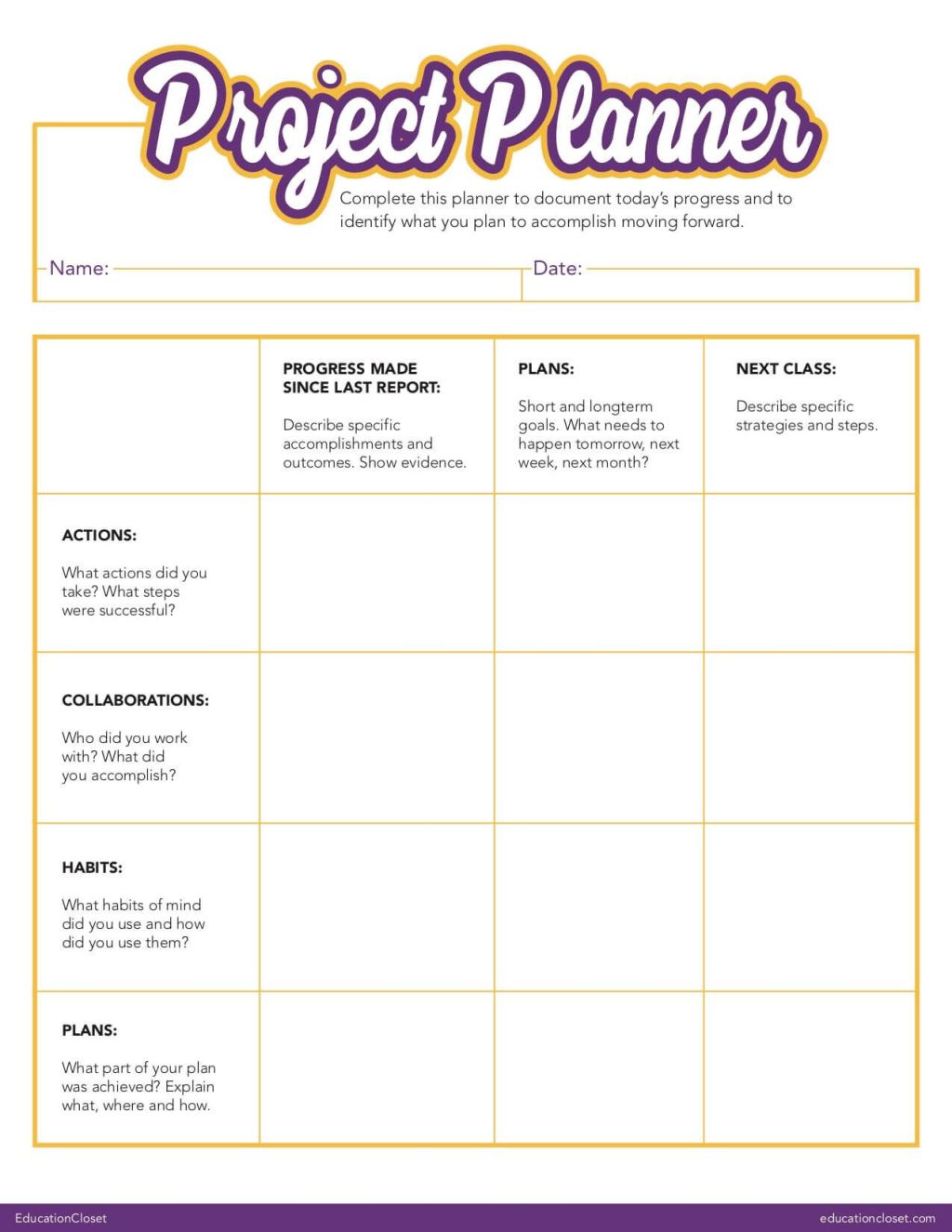
Project-Based Assessments: A Holistic Approach to Alternative Education In the realm of alternative schooling and education, traditional methods of assessment have been gradually evolving. One approach that has gained significant traction is project-based assessments. These assessments differ from traditional exams and standardized tests by emphasizing real-world application, collaboration, critical thinking, and problem-solving skills. Project-based assessments…
-
“Empowering Students: Personalized Learning Plans in Blended Learning Revolutionize Education”

Personalized Learning Plans in Blended Learning: A Retrospective In recent years, the field of education has witnessed a significant shift towards more personalized and student-centered approaches. One such approach that has gained traction is personalized learning plans within blended learning environments. Blending traditional face-to-face instruction with online resources and tools allows for a more tailored…
-
Unlocking Financial Independence: The Power of Financial Planning in Alternative Education
Financial Planning: A Key Component of Alternative Education Introduction In today’s rapidly changing economy, financial literacy has become an essential skill for individuals of all ages. While traditional education systems often fail to address this crucial aspect adequately, alternative schooling and education can play a pivotal role in bridging the gap. This article aims to…
-
Richard Branson: 15 Reasons Why He’s an Inspiration for Unconventional Education
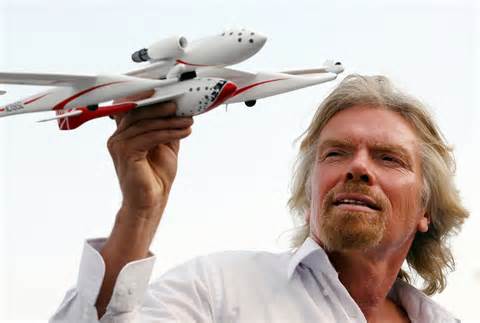
Richard Branson, the British entrepreneur and philanthropist, is widely known for his success in various industries. However, what sets him apart is his unique approach to education and alternative schooling. Here are 15 reasons why Richard Branson is an inspiration for those seeking unconventional paths in education. 1. Dropout turned billionaire: Branson dropped out of…
-
The Sudbury Model: Empowering Students Through Self-Directed Learning
The Sudbury model of education is a unique and innovative approach to schooling that empowers students to take control of their own learning. Developed in the late 1960s by a group of parents and educators in Sudbury, Massachusetts, this model has gained recognition and popularity worldwide for its emphasis on individual freedom, democratic decision-making, and…
-
Unlocking the Power of Self-Paced Learning: Empowering Students to Take Control of Their Education

Self-paced learning is a dynamic and flexible approach to education that allows individuals to take control of their own learning journey. This method, often associated with alternative schooling and education, offers students the freedom to learn at their own pace while still achieving academic success. One of the key advantages of self-paced learning is its…
-
Empowering Students: The Rise of Democratic Schools

Democratic Schools: An Overview The traditional education system has long been criticized for being rigid and failing to cater to the individual needs of students. This is where democratic schools come in, offering a unique approach to education that places student autonomy and freedom at its core. So what exactly are democratic schools? In simple…
-
Unschooling: The Innovative Approach to Education that Puts Children in Control
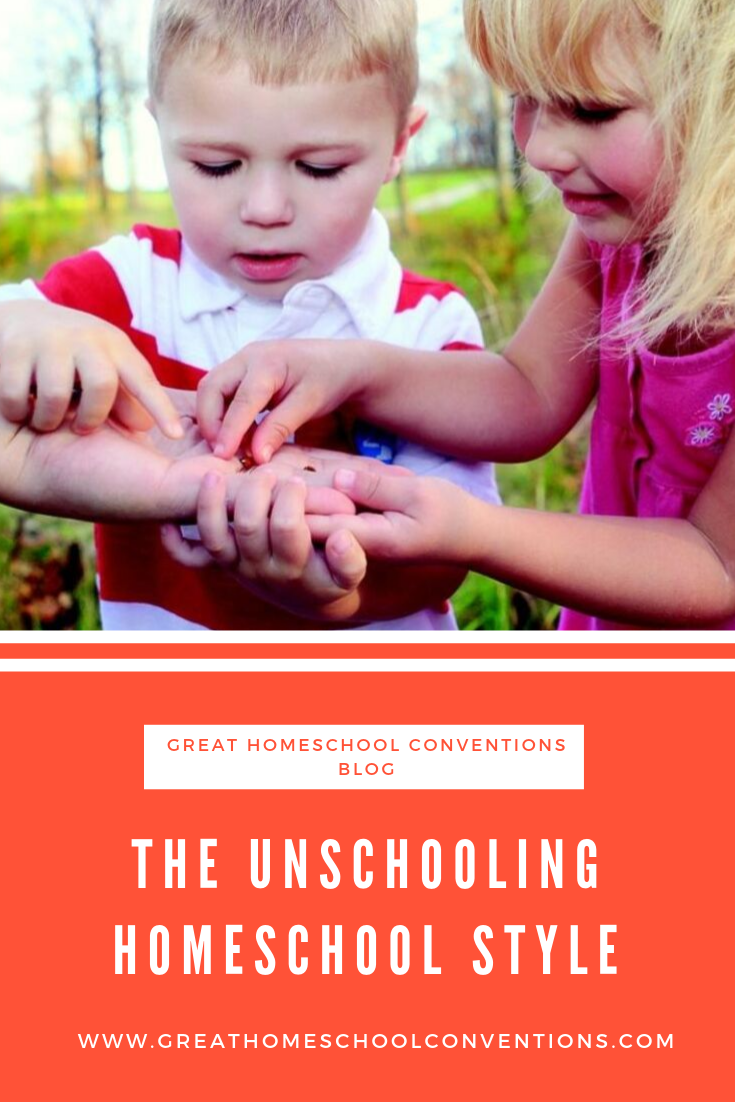
As the traditional model of schooling becomes increasingly outdated, more and more parents are turning to alternative forms of education for their children. One such approach that has been gaining popularity in recent years is unschooling. Unschooling is a philosophy of education that centers around the idea that children should have complete control over their…
-
Unlocking the Potential of Child-Centered Learning with the Montessori Method

The Montessori method is an educational approach developed by Dr. Maria Montessori, an Italian physician and educator in the early 1900s. This approach emphasizes child-centered learning, where children are given freedom to learn at their own pace and in their own way. Q: What age range is the Montessori method best suited for? A: The…
 Alternative Amie