Tag: student autonomy.
-
“Exploring Alternative Models: Revolutionizing Education for Individualized Learning and Student Autonomy”

Alternative models of school organization and administration have gained popularity in recent years as educators, parents, and students seek different approaches to traditional schooling. These alternative models offer unique methods of organizing and managing schools that prioritize individualized learning, student autonomy, and community involvement. In this article, we will explore some of the most prominent…
-
“Empowering Education: Self-Directed Learning Unleashes Students’ Potential”

Self-directed education, also known as unschooling or self-learning, is an alternative approach to traditional schooling that empowers students to take control of their own learning journey. Instead of following a structured curriculum and attending classes in a conventional school setting, self-directed learners are given the freedom to explore their interests, pursue their passions, and learn…
-
Unlocking Student Success: The Power of Personalized Learning Plans

Personalized Learning Plans: Empowering Students for Success Education is not a one-size-fits-all approach. Every student has unique strengths, weaknesses, and learning styles that should be taken into consideration when designing their educational journey. Personalized learning plans offer an effective solution to cater to these individual needs, empowering students to take ownership of their education while…
-
“Breaking the Mold: Flexible Seating Revolutionizes Classroom Learning”
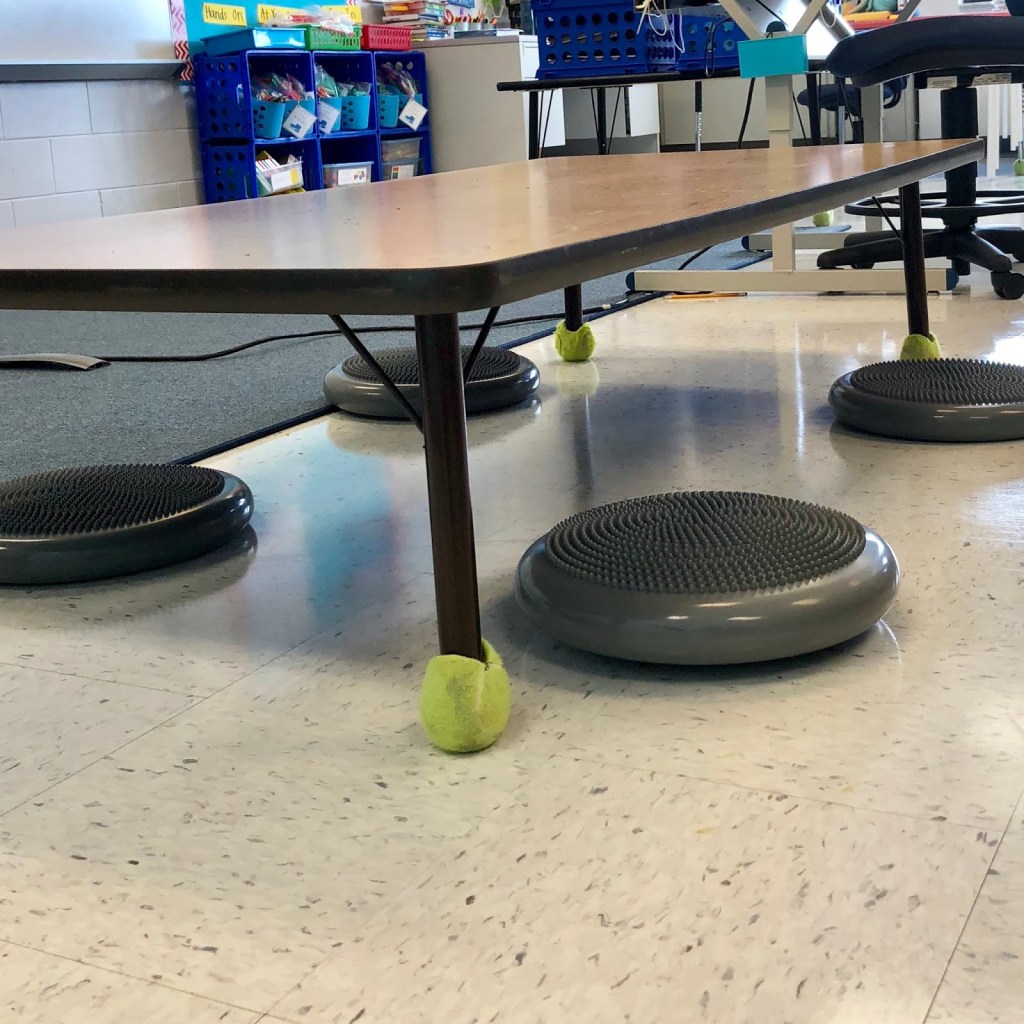
Flexible Seating and Student Choice in Learning In the traditional classroom setting, rows of desks facing towards the front of the room have long been the norm. However, educators are now recognizing that this setup may not be conducive to optimal learning for all students. As a result, many schools are embracing flexible seating arrangements…
-
Empowering Students: Unleashing the Power of Student Autonomy in Education

Student Autonomy: Empowering Students to Take Control of Their Education In traditional schooling systems, students are often seen as passive recipients of knowledge. They are expected to follow instructions, memorize information, and regurgitate it during exams. However, this approach fails to recognize the unique interests and learning styles of individual students. It also overlooks the…
-
Unmasking Fairness: The Power of Anonymous Peer Assessments in Education
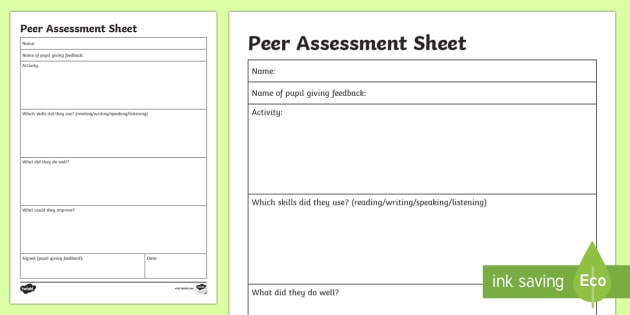
Using Anonymous or Blind Peer Assessments in Education Peer assessment is a valuable tool in education as it allows students to provide feedback to their peers, contributing to a collaborative and supportive learning environment. However, traditional peer assessments may pose challenges such as bias, favoritism, and the fear of potential conflicts within the classroom. To…
-
Unlocking the Power of Peer Assessment in Alternative Education
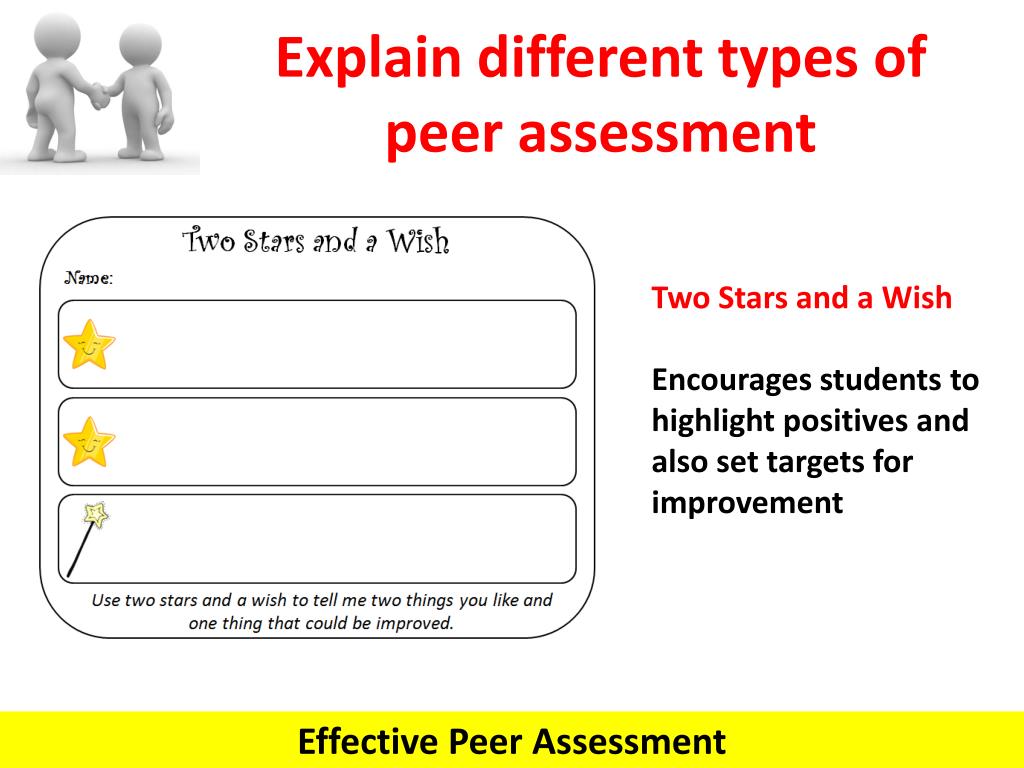
Peer Assessment: An Effective Tool for Alternative Schooling and Education In alternative schooling and education, there is a growing emphasis on fostering collaboration, critical thinking, and self-directed learning among students. One effective tool that aligns with these goals is peer assessment. Peer assessment involves students evaluating the work of their peers based on predetermined criteria…
-
Empowering Students through Self-Governance: The Rise of Democratic Schools
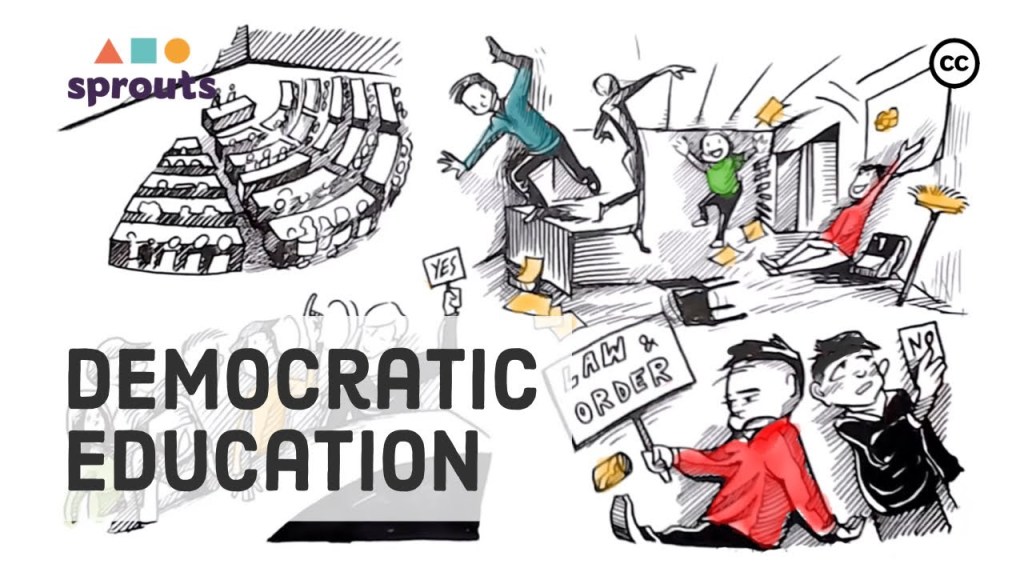
Democratic Schools: Empowering Students through Self-Governance Education plays a crucial role in shaping the future of individuals and society as a whole. While traditional school systems have been dominant for many years, alternative approaches to education are gaining popularity. One such approach is democratic schools, which empower students by involving them in the decision-making processes…
-
“Project-Based Learning: Empowering Students for Real-World Success”
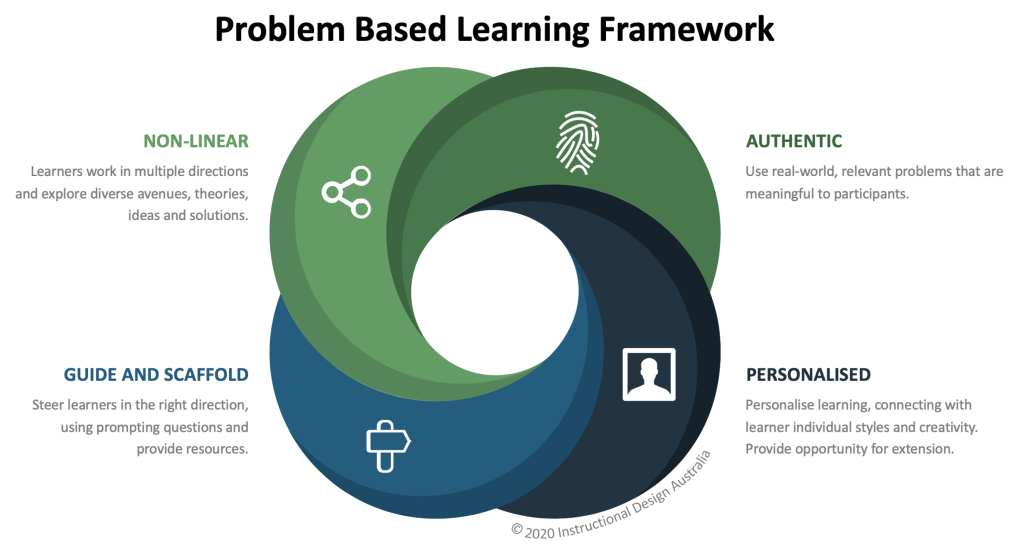
Project-based learning (PBL) is an innovative approach to education that focuses on real-world problem-solving and active engagement. Instead of traditional lectures and tests, students work on projects that require them to apply their knowledge and skills in a practical way. This method of learning allows students to develop critical thinking, collaboration, and communication skills while…
-
The Pros and Cons of Personalized Learning: Tailoring Education to Every Student’s Needs
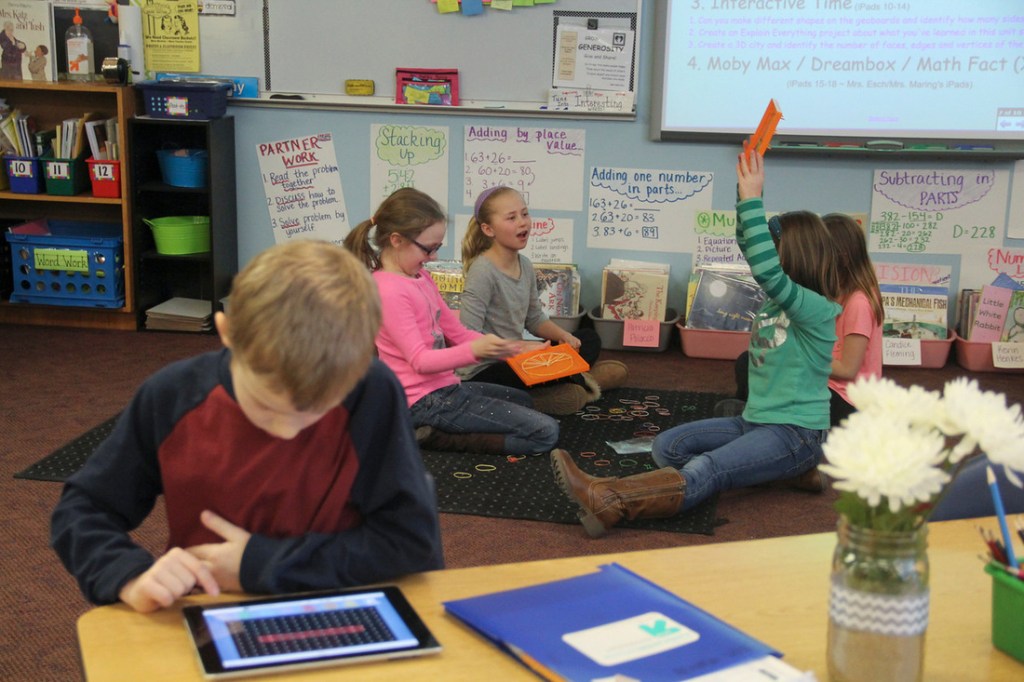
Personalized learning has gained significant attention in recent years as an alternative approach to traditional education. This approach aims to tailor the educational experience to meet the specific needs and interests of each student, allowing them to progress at their own pace and explore topics they find most engaging. While personalized learning holds promise for…
 Alternative Amie