Tag: student agency
-
Empowering Students: The Rise of Student-Led Conferences in Education

Student-led conferences have been gaining popularity in educational settings as a more student-centered approach to assessing and showcasing learning progress. In this model, students take the lead in presenting their academic achievements, personal growth, and goals to their parents or guardians, teachers, and sometimes even other students. One of the key advantages of student-led conferences…
-
Empowering Education: Alternative School Exhibition Nights Showcase Student Creativity and Growth

Exhibition nights are powerful events that showcase the creativity, learning, and growth of students in alternative schooling and education settings. These events provide a platform for students to present their projects, research, artwork, performances, and more to an audience of peers, parents, teachers, and community members. At alternative schools that focus on student-centered learning and…
-
Empowering Education: The Rise of Personalized Learning

Personalized learning experiences have gained popularity in recent years as educators and parents seek alternative approaches to education that cater to individual needs and interests. This approach shifts away from traditional one-size-fits-all methods of teaching and instead focuses on tailoring the learning experience to each student’s unique strengths, weaknesses, and preferences. One of the key…
-
Empowering Education: The Rise of Child-Led Learning

In a traditional education system, children are often expected to conform to standardized curricula and teaching methods. However, there is a growing movement towards child-led learning that recognizes the unique interests, strengths, and pace of each individual child. This approach empowers children to take control of their own education, fostering a love for learning and…
-
Empowering Students: The Key to Alternative Education Success

Student agency and autonomy are crucial components of alternative education, empowering students to take ownership of their learning experiences and shape their educational journey. In traditional schooling systems, students often have limited control over what and how they learn, with curriculums and assessments dictated by external standards. However, in alternative schooling environments that prioritize student…
-
Empowering Education: Unleashing Creativity and Collaboration through Project-Based Learning

Project-based learning (PBL) is an educational approach that emphasizes hands-on, real-world experiences to help students develop critical thinking, problem-solving skills, creativity, and collaboration. Instead of traditional rote memorization or passive learning techniques, PBL encourages students to actively engage in projects that are meaningful and relevant to their interests and the world around them. One of…
-
Empowering Students Through Inquiry-Based Learning

Inquiry-based learning is an educational approach that encourages students to actively engage in the learning process by posing questions, investigating solutions, and exploring topics of interest. This method shifts the focus from rote memorization to critical thinking, problem-solving, and deep understanding. By fostering curiosity and independence in students, inquiry-based learning empowers them to take ownership…
-
Empowering Social Justice Through Maker Education: Panel Discussion Highlights Key Strategies
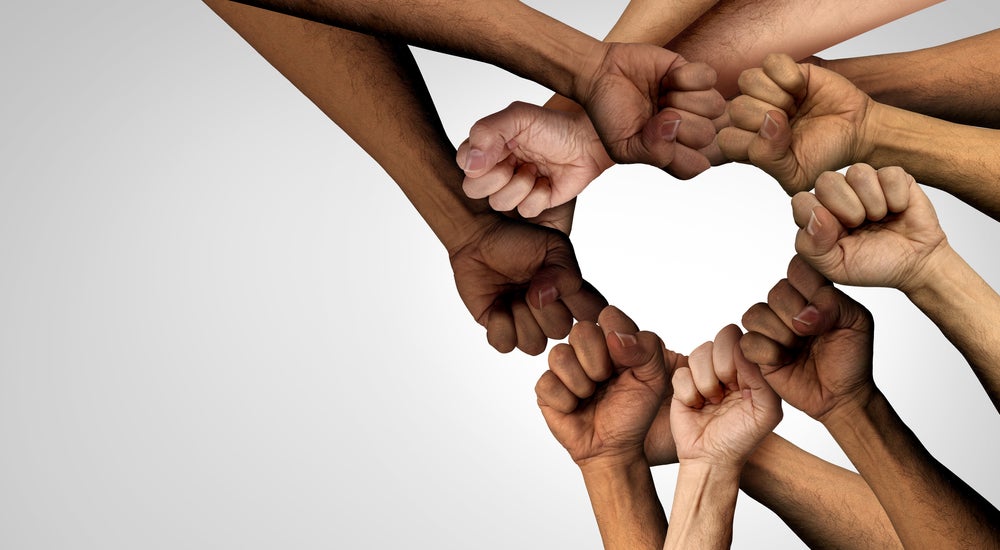
Panel Discussion: Maker Education for Social Justice Welcome to our panel discussion on Maker education for social justice. Today, we have gathered a group of experts in the field to explore how Maker education can be a powerful tool for addressing social justice issues and fostering equity in education. Our panelists bring diverse perspectives and…
-
Unlocking the Power of Democratic Schools: A Unique Approach to Education
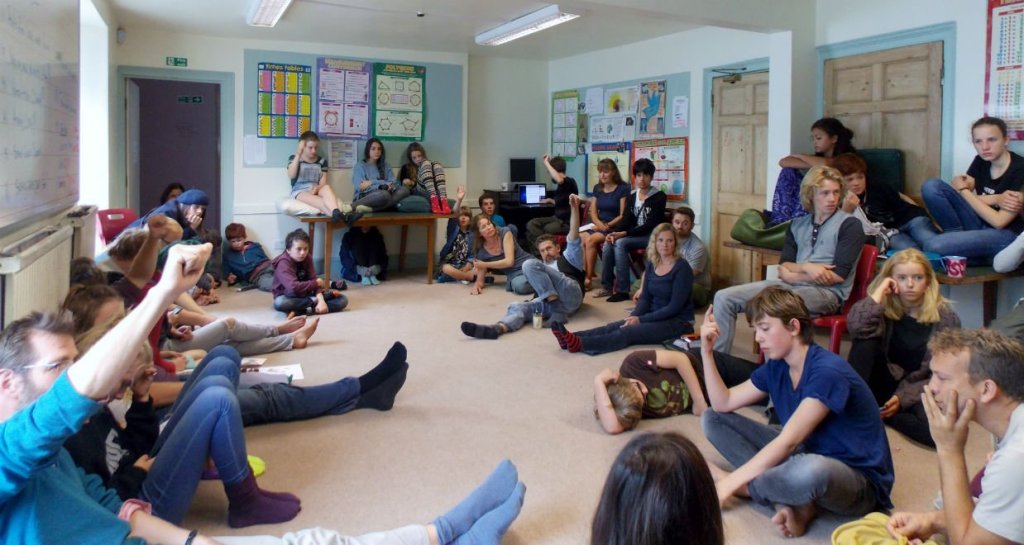
Democratic schools are a fascinating alternative to traditional education systems, offering students a unique and empowering learning experience. In this FAQ-style guide, we will explore the concept of Democratic schools, their principles, benefits, challenges, and how they differ from conventional schooling. **What is a Democratic school?** A Democratic school is an educational institution where students…
-
Empowering Students in Alternative Education: Unleashing Student Voice and Agency

Student Voice and Agency: Empowering Students in Alternative Education Introduction: In traditional education systems, students often find themselves as passive recipients of knowledge, with little to no say in their own learning process. However, alternative schools and educational approaches have been challenging this status quo by prioritizing student voice and agency. By giving students a…
 Alternative Amie