Tag: social skills development
-
Empowering Alternative Education: Holistic Assessments for Student Success

Self-directed learning in alternative schooling is a powerful tool that empowers students to take ownership of their education. In non-traditional education settings, students have the freedom to explore their interests and develop skills at their own pace. Self-directed learning encourages independence, curiosity, and a passion for knowledge. Emotional intelligence assessment for students plays a crucial…
-
Empowering Social Skills Through Peer Assessment in Alternative Education
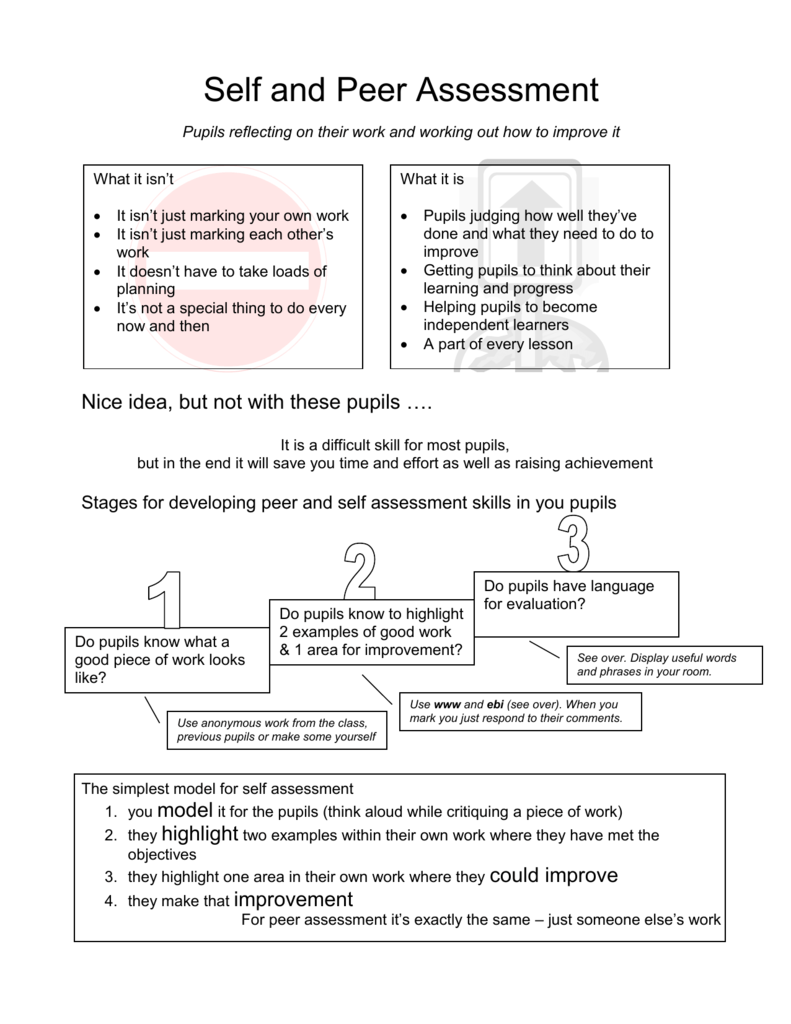
Peer assessment is a valuable tool for social skills development in alternative schooling and education settings. By allowing students to evaluate their peers’ social interactions, communication abilities, and teamwork skills, peer assessment not only provides constructive feedback but also fosters a sense of community and collaboration within the classroom. One of the key benefits of…
-
Navigating the Path to Adulthood: Key Elements of Transition Planning in IEPs

Transition planning is a crucial aspect of Individualized Education Programs (IEPs) for students with disabilities as they prepare to move into adulthood. This process involves identifying goals and objectives that will help the student transition smoothly into post-secondary education, vocational training, employment opportunities, independent living situations, and community engagement. Assistive technology considerations play a significant…
-
“Empowering Education: The Impact of Dual Enrollment on Student Success”
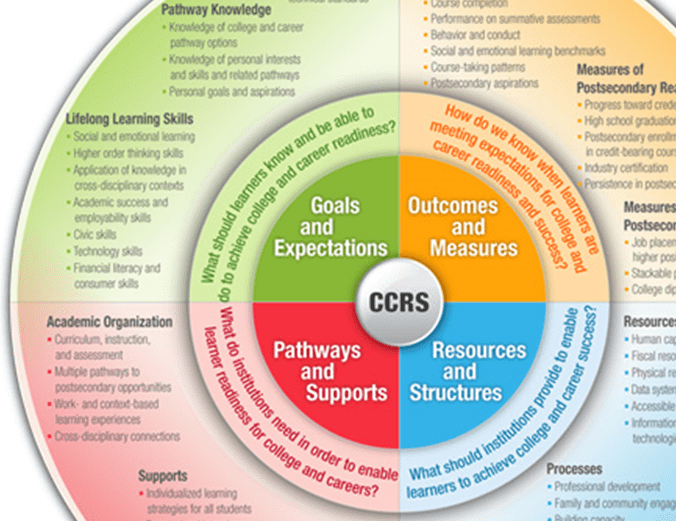
Dual enrollment is a valuable opportunity for students to earn college credit while still in high school, and it can have a significant impact on their social skills development. By taking classes with college students, high schoolers are exposed to a more diverse learning environment that helps them build communication, teamwork, and leadership skills. This…
-
Empowering Students: Key Components of an IEP for Success
Transition planning is a crucial component of an Individualized Education Program (IEP) as it helps students with disabilities prepare for life after high school. This process involves setting goals, exploring post-secondary education options, vocational training opportunities, and community-based instruction that align with the student’s interests and abilities. It also includes identifying necessary accommodations and modifications…
-
Empowering Students with Disabilities: Key Aspects of Special Education Transition Planning

Transition planning is a critical aspect of special education that focuses on preparing students with disabilities to transition from school to post-school activities, such as higher education, employment, and independent living. This process begins when the student turns 16 (or younger if determined appropriate by the IEP team) and involves developing individualized goals and services…
-
Empowering Diversity: The Vital Role of Assistive Technology in IEPs

Assistive technology plays a crucial role in Individualized Education Programs (IEPs) for students with diverse learning needs. By incorporating assistive technology into IEPs, educators can provide personalized support to help students access the curriculum and participate more fully in educational activities. Assistive technology can include devices such as tablets, speech-to-text software, communication boards, and sensory…
-
Navigating the Essentials of Special Education: Building Effective IEPs for Every Student

Transition planning is a crucial aspect of the Individualized Education Program (IEP) process for students with disabilities. It involves preparing students for life after high school, whether that be further education, employment, or independent living. Assistive technology plays a significant role in supporting students with disabilities in their academic and daily living tasks. It can…
-
Exploring the Unique Sudbury Model: Fostering Autonomy, Diversity, and Tech-Savvy Learners

The Sudbury model of education is a unique approach that focuses on student-directed learning, where children have the freedom to explore their interests and learn at their own pace. This model emphasizes autonomy, responsibility, and democracy within the school community. Technology plays a significant role in Sudbury schools by facilitating research, communication, and project-based learning.…
-
Empowering Children Through Child-Led Learning: A Path to Creativity and Inclusivity

Child-led learning, also known as child-directed or self-directed learning, is an educational approach that puts children in charge of their own learning experiences. In outdoor settings, child-led learning takes on a unique dimension, allowing children to explore and discover the world around them at their own pace and based on their interests. This approach emphasizes…
 Alternative Amie