Tag: Social Interaction
-
Understanding Asperger’s Syndrome: Traits, Challenges, and Interventions
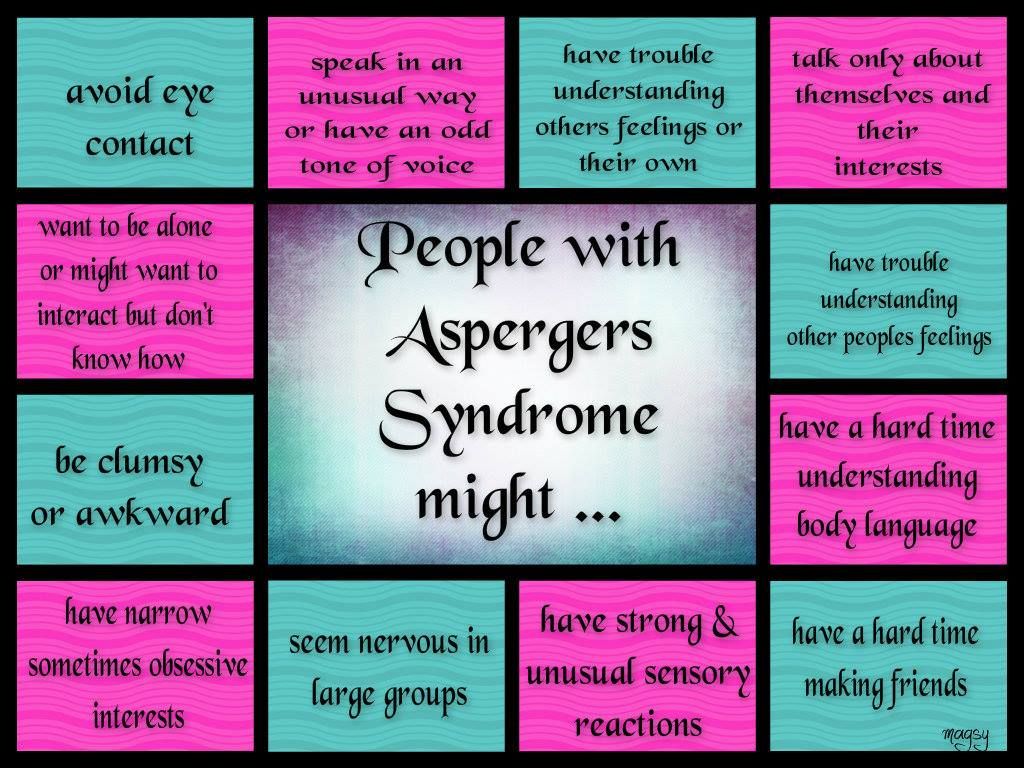
Asperger’s Syndrome, also known as Asperger’s Disorder or simply AS, is a neurodevelopmental disorder that falls under the umbrella of Autism Spectrum Disorders (ASD). It was first identified by Austrian pediatrician Hans Asperger in 1944 and is characterized by difficulties in social interaction and communication, as well as restricted and repetitive patterns of behavior. One…
-
“Collaborative Learning: The Key to Active Participation and Skill Development in Modern Education”

Collaborative learning is a teaching and learning approach that involves learners working together in small groups to solve problems, complete tasks, or create something new. Collaborative learning encourages active participation among learners as they engage with each other to share their knowledge, skills, and perspectives. The concept of collaborative learning has been around for centuries.…
-
Unlocking the Secrets of Brain Development: The Importance of Childhood Learning

Brain Development: Understanding the Importance of Childhood Learning As parents or educators, we want to provide children with every opportunity to succeed. We want them to be happy, healthy, and reach their full potential. One crucial component of this is understanding how brain development works and what factors can positively or negatively impact it. The…
-
“Unleashing Creativity and Learning: The Power of Loose Parts Play”

Loose Parts Play: A Creative Approach to Learning Loose parts play is a concept that has been gaining popularity in alternative schooling and education circles. It refers to the use of open-ended materials, such as sticks, stones, fabric scraps, cardboard boxes, and other items that can be manipulated and combined in countless ways. The idea…
-
Why Cross-Age Teaching is the Future of Education
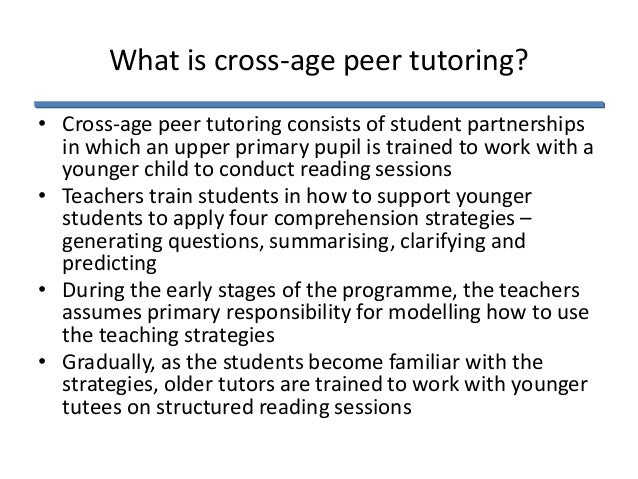
Cross-age teaching is an instructional strategy where students of different age groups engage in a learning experience together. It is increasingly popular in alternative schooling and education as it promotes collaboration, communication, and peer-to-peer learning. In this article, we will explore the benefits of cross-age teaching and how it can positively impact learners of all…
-
“Unlocking the Benefits of Outdoor Education: Alternative Schools Lead the Way”

Outdoor education has been a part of human learning for centuries. From indigenous cultures to ancient Greeks, outdoor experiences have always been a fundamental aspect of education. It is only in recent years that formalized outdoor education programs have become popular. Alternative schools and educational models are at the forefront of incorporating outdoor learning experiences…
-
10 Reasons Why Collaborative Learning in Virtual Environments is the Future of Education

Collaborative Learning in Virtual Environments In today’s world, where technology is advancing at an unprecedented rate, virtual learning has become commonplace. Collaborative learning in virtual environments is a unique and innovative way to learn that offers several benefits. Here are the top 10 reasons why collaborative learning in virtual environments is beneficial: 1. Improved Social…
-
Understanding Intellectual Disability: Breaking Stereotypes and Providing Support.

Intellectual Disability (ID) is a term used to describe significant limitations in cognitive functioning and adaptive behavior. Individuals with ID may have difficulty with communication, social interaction, and daily living skills. They may also experience delays in learning or understanding complex ideas. It’s important to understand that intellectual disability is not related to a person’s…
-
“Project-Based Learning: The Engaging Approach to Developing Critical Thinkers and Collaborators”

Project-based learning is a teaching approach that’s becoming increasingly popular in alternative schooling and education. It focuses on students working together to solve real-world problems, often over an extended period of time. This approach allows students to learn through hands-on experience, develop critical thinking skills, and improve social interaction. The first step in project-based learning…
-
“Unlocking the Potential of Twice-Exceptional Learners: Addressing Strengths and Struggles”

Twice-exceptional learners, also known as 2e learners, are children who possess exceptional abilities in one or more areas while also having a learning disability or difficulty. These children may struggle with traditional classroom settings and may go unnoticed because their struggles can mask their strengths. It’s essential to understand that these students’ intellectual abilities may…
 Alternative Amie