Tag: simulations
-
“Experience is the Best Teacher: The Benefits of Experiential Learning in Education”
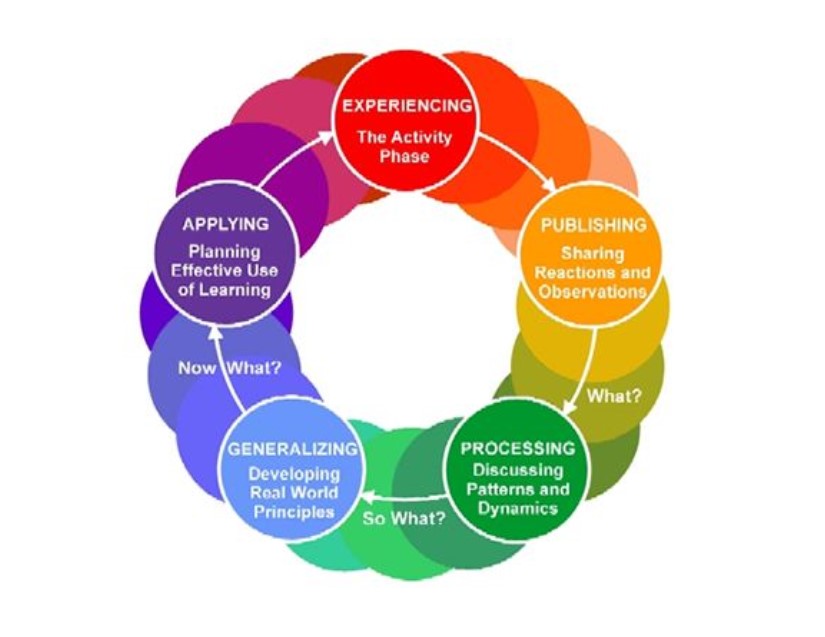
Experiential learning is an approach to education that emphasizes the importance of hands-on experience and active participation in the learning process. It involves engaging students in activities that allow them to apply what they have learned in real-world situations, making their education more relevant and meaningful. In traditional classroom settings, students are often passive recipients…
-
“Get Your Hands Dirty: The Benefits of Experiential Learning”
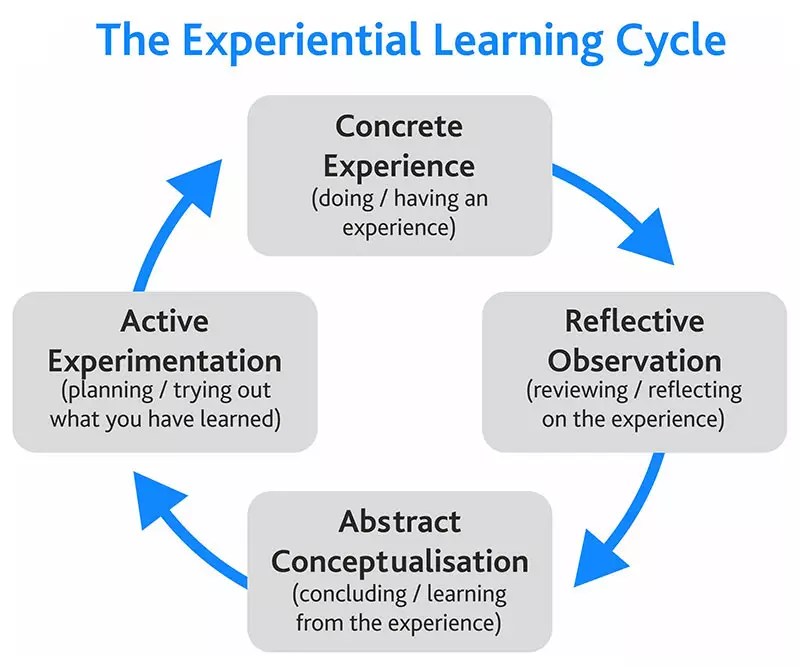
Experiential Learning: A Guide to Hands-On Education For many years, traditional classroom learning has been the norm for students. However, as education evolves, there is a growing interest in experiential learning. Experiential learning is a teaching method that involves hands-on experiences and immersing oneself in real-world situations to gain knowledge and skills. What is Experiential…
-
15 Role-Playing Activities That Make Learning Fun and Effective in Alternative Schools

Role-playing activities can be an engaging and effective way to teach a wide range of skills, from communication and teamwork to problem-solving and critical thinking. Alternative schools often incorporate role-playing activities into their curriculum as a way to encourage creativity, build confidence, and make learning more fun. In this post, we’ll explore 15 different role-playing…
-
“Experience is the Best Teacher: 8 Benefits of Experiential Learning for Students”

Experiential learning is a powerful approach to education that involves hands-on, real-world experiences. Instead of just reading about something in a textbook or listening to a lecture, students actively participate in the learning process. This can take many forms, from field trips and service projects to simulations and role-playing exercises. Here are eight benefits of…
-
Experiential Learning: The Hands-On Approach to Education
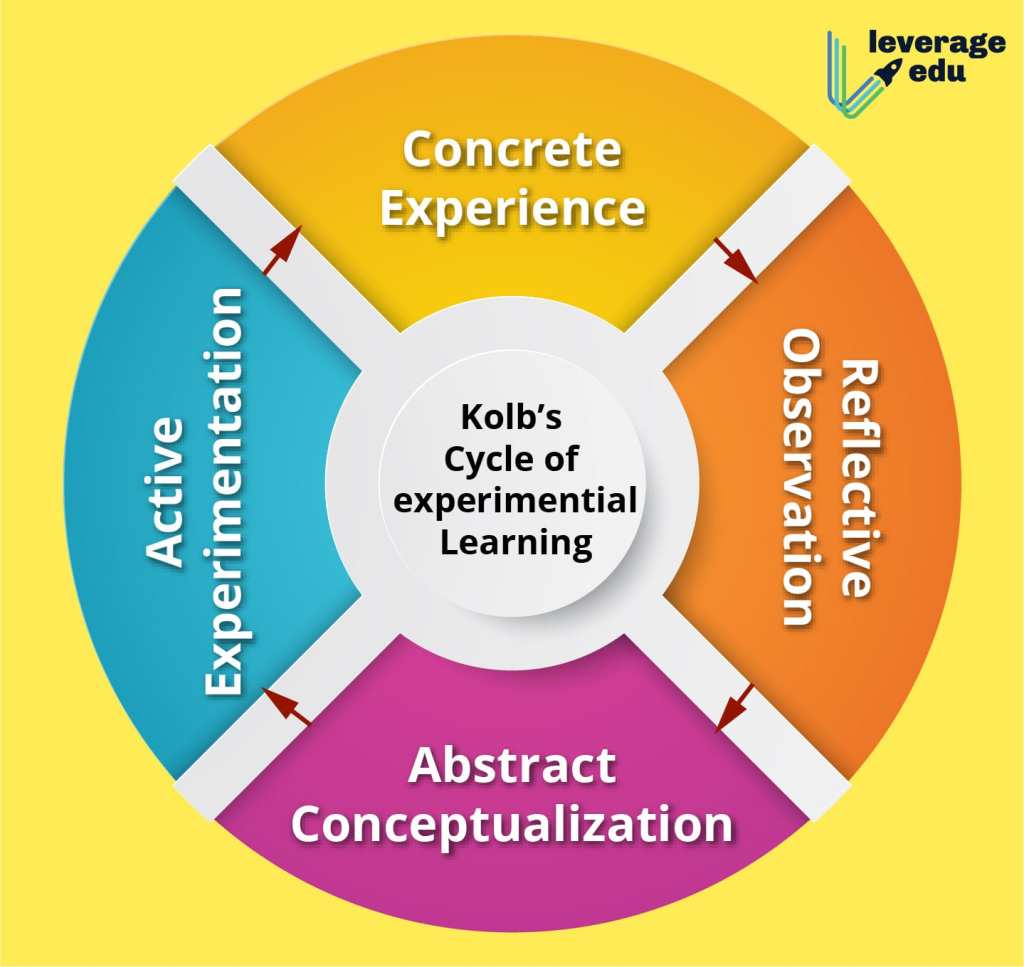
Experiential learning is an educational approach that focuses on hands-on experiences and practical application of knowledge. It is a student-centered approach that emphasizes active participation, reflection, and collaboration. Experiential learning has been gaining popularity in recent years as educators seek to provide students with more engaging and meaningful learning experiences. Studies have shown that experiential…
-
“Real-World Skills and Knowledge: Why Authentic Assessment is Taking Over Education”
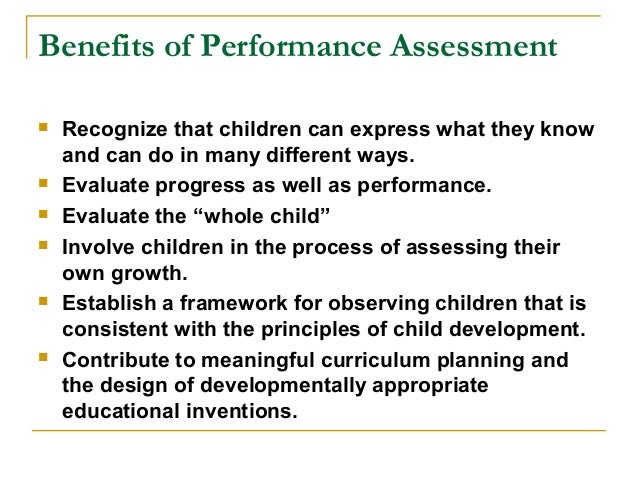
Authentic assessment is a type of evaluation that focuses on real-world skills and knowledge. It’s an approach to testing and grading that emphasizes the application of learning in practical settings, rather than simply regurgitating information from textbooks or lectures. Authentic assessment can take many forms, including projects, portfolios, presentations, simulations, and more. One of the…
-
“Revolutionizing Education: How Experiential Learning is Enhancing Student Engagement and Success in Alternative Schools”

Experiential learning is a well-known strategy that has been used in education for many years. It involves the process of actively engaging students in hands-on experiences to enhance their learning outcomes. In traditional classrooms, students are often passive learners who depend on lectures and textbooks to learn new concepts. However, with experiential learning, students take…
 Alternative Amie