Tag: sensory processing differences
-
Embracing Neurodiversity: Celebrating Differences and Empowering Individuals
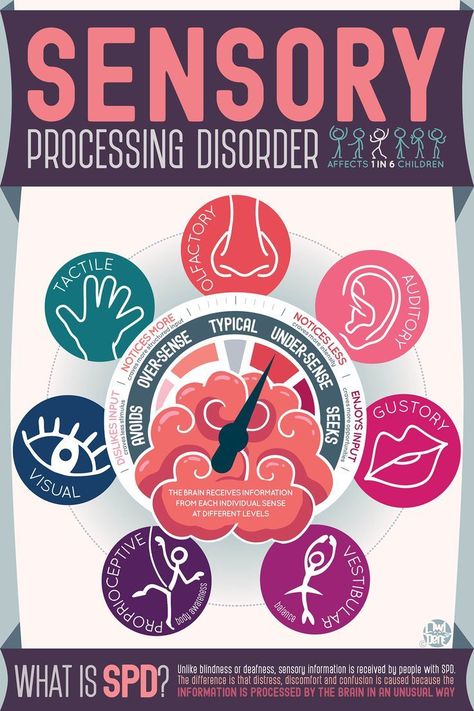
Sensory Processing Differences Sensory processing differences, also known as sensory processing disorder (SPD), refer to the way the nervous system receives and interprets sensory information from the environment. Neurodiverse individuals may experience sensory sensitivity or sensory-seeking behavior, which can affect their daily lives. For some neurodivergent individuals, certain stimuli such as loud noises, bright lights,…
-
Unlocking Potential: Strategies for Supporting Neurodiverse Learners in the Classroom

Sensory processing differences can greatly impact a student’s ability to learn and thrive in a classroom setting. Understanding how these differences affect students and implementing strategies to support them is crucial for educators. Some students with sensory processing differences may be hypersensitive, meaning they are easily overwhelmed by sensory input, while others may be hyposensitive…
-
Unlocking the Potential: Creating Inclusive Learning Environments for Neurodiverse Learners

Sensory processing differences refer to the way in which individuals process and respond to sensory information from their environment. For some neurodivergent learners, such as those with autism spectrum disorders or ADHD, sensory processing differences can have a significant impact on their ability to focus and learn effectively. Understanding these differences and implementing strategies to…
-
Embracing Neurodiversity: Strategies for Inclusive Classrooms and Thriving Students

Sensory processing differences, executive functioning challenges, and social communication difficulties are just a few of the many aspects of neurodiversity that impact individuals in educational settings. Understanding and accommodating these differences is crucial for creating inclusive classrooms where all students can thrive. In this article, we will explore various strategies and approaches to support neurodiverse…
-
Unlocking the Power of Neurodiversity: Embracing Differences for a Better Future

Sensory Processing Differences Sensory processing differences refer to the way individuals perceive and respond to sensory information from their environment. While most people can easily filter out irrelevant sensory stimuli, individuals with sensory processing differences may struggle with this task, leading to difficulties in everyday activities. There are three main types of sensory processing differences:…
-
Embracing Neurodiversity: Supporting Unique Learners for Success
Neurodiversity is a term used to describe the natural variation in human brains and nervous systems. It includes individuals with a wide range of cognitive abilities, learning styles, and sensory processing differences. Neurodivergent people are often gifted in unique ways that differ from typical learners. Giftedness is not limited to those who perform well academically…
 Alternative Amie